

Crisis Management in International Education - the essential elements
/This blog is Part 2 of our three part series on Risk Management. Please see Part 1 to learn about our approach to diagraming the risk ecosystem and managing program related risk.
Crisis management is a fundamental part of running international education programs. Especially with faculty-led programs, which involve a lot of moving around and logistics, and are often customized so that a large portion of the itinerary is new to the faculty and the provider. A strong crisis management approach is built on preparation, clear communication, ongoing training, and a willingness to learn from every incident.
This post outlines a practical framework for strengthening crisis readiness in international education, based on three key phases: before, during, and after a crisis.
Before the Crisis: Building a Strong Foundation
1. Create a Crisis Management Plan
A comprehensive crisis management plan is the backbone of any risk preparedness strategy. This document outlines what constitutes a crisis, who has decision-making authority, and how information flows during an emergency. It should also establish communication expectations—both internal and external—as well as guidelines for working with campus leadership, legal offices, insurers, and local partners abroad.
For international education, the plan should address a wide range of potential crises, including, but not limited to:
Medical emergencies - typically involve one or several students and transfer to a medical facility
Natural disasters - involve the whole group and likely evacuation to a different country or at least a different city
Political instability or security threats - depending on the nature of the situation may involve sheltering in place (e.g. violent protest), evacuation to a different city (e.g., ongoing political manifestations), or evacuation to a different country (e.g., coup)
Student conduct issues - typically involve one or several students and may involve local authorities
Transportation accidents - may require transport to a medical facility for multiple students or the whole group
Mental health challenges - may require remote counseling or visit to local mental health professional
A strong plan makes it easier for staff to respond effectively when time is limited and emotions are high.
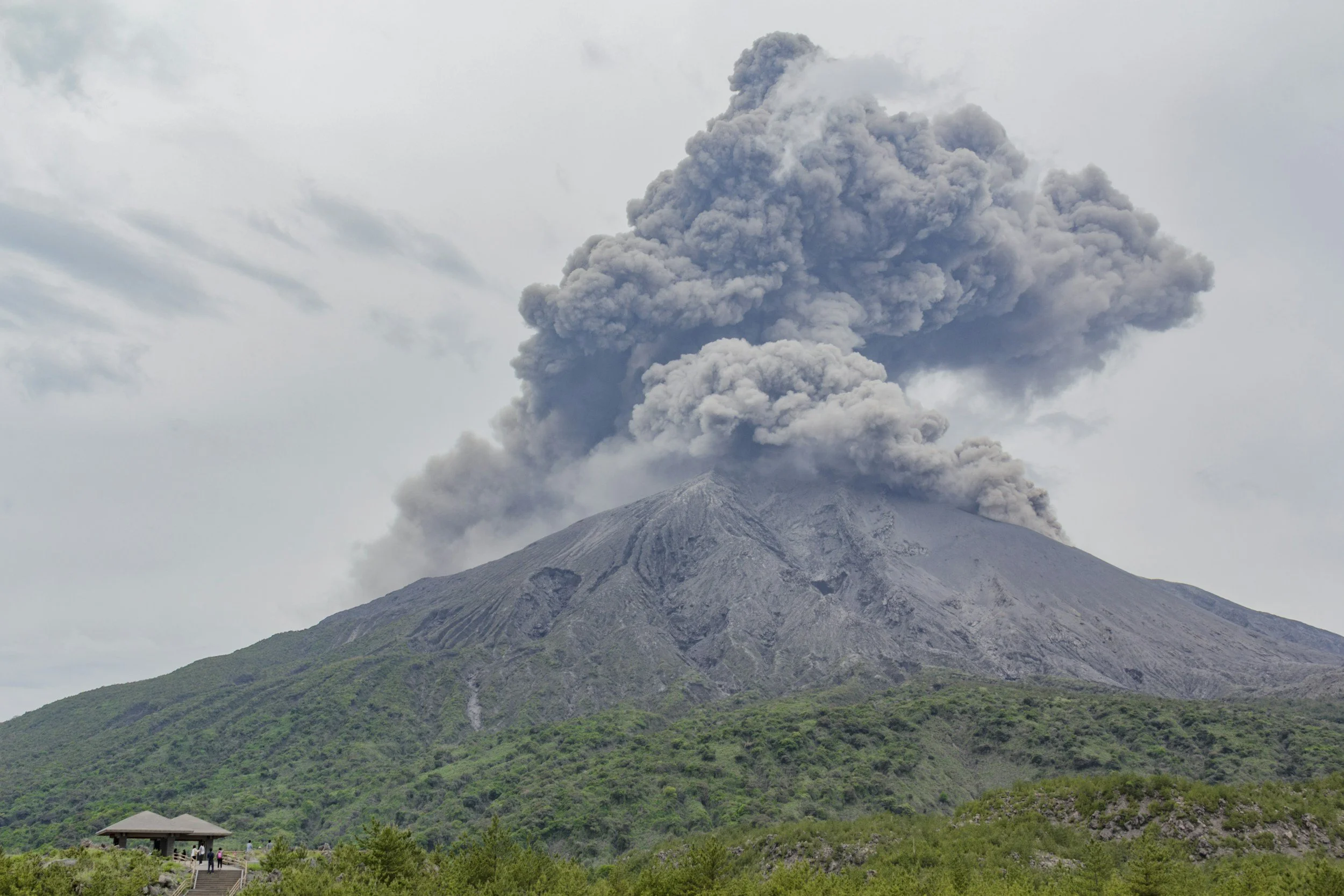
a volcanic ERUPTION would likely require evacuation although airports may be closed
2. Develop Clear SOPs and Protocols
Standard Operating Procedures (SOPs) help translate a crisis management plan into concrete, step-by-step actions. These procedures outline what staff should do in specific situations, who is responsible for each step, and what documentation is needed.
Useful SOPs can include:
How to activate the crisis response team
Communication templates for students, families, and leadership
Incident reporting steps
Evacuation or shelter-in-place procedures
Guidelines for coordinating with local partners or third-party providers
SOPs take the guesswork out of emergency response, reducing delays and improving accuracy when staff must act quickly.
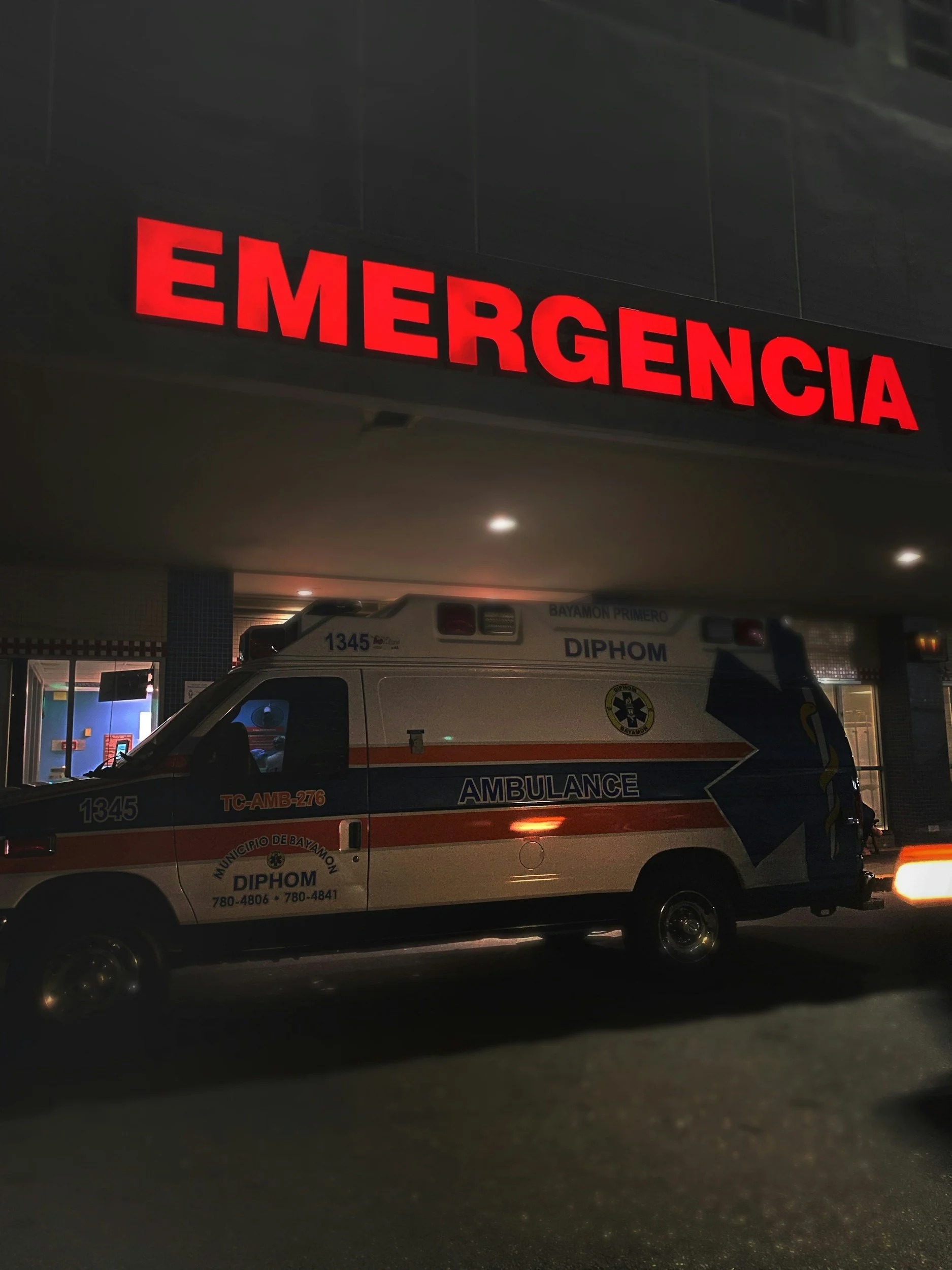
standard emergency procedures will address the order of operations, including when to call an AMBULANCE vs. providing first aid
3. Train Staff and Faculty on SOPs
Even the best protocol is ineffective if the people responsible for implementing it don’t understand it. Regular training ensures that staff and faculty leaders know:
Who to call first
How decisions escalate
What information to gather
When to involve campus offices or external partners
What their individual role is within the broader response
Training should be ongoing, not a one-time session. As staffing changes or programs evolve, refreshers help keep everyone prepared.
4. Use Scenario Analysis to Prepare for Real Situations
Scenario-based training is one of the most effective tools for crisis readiness. These exercises place staff and faculty into realistic situations—such as a lost student, a political protest near a housing site, or a medical emergency during an excursion—and ask them to walk through their response using the SOPs.
Scenario analysis helps teams:
Practice decision-making under pressure
Identify gaps in existing protocols
Strengthen communication skills
Build confidence in their ability to respond
Improve coordination between campus and on-site staff
By training in a controlled environment, institutions build the muscle memory needed to respond well when a real crisis occurs.
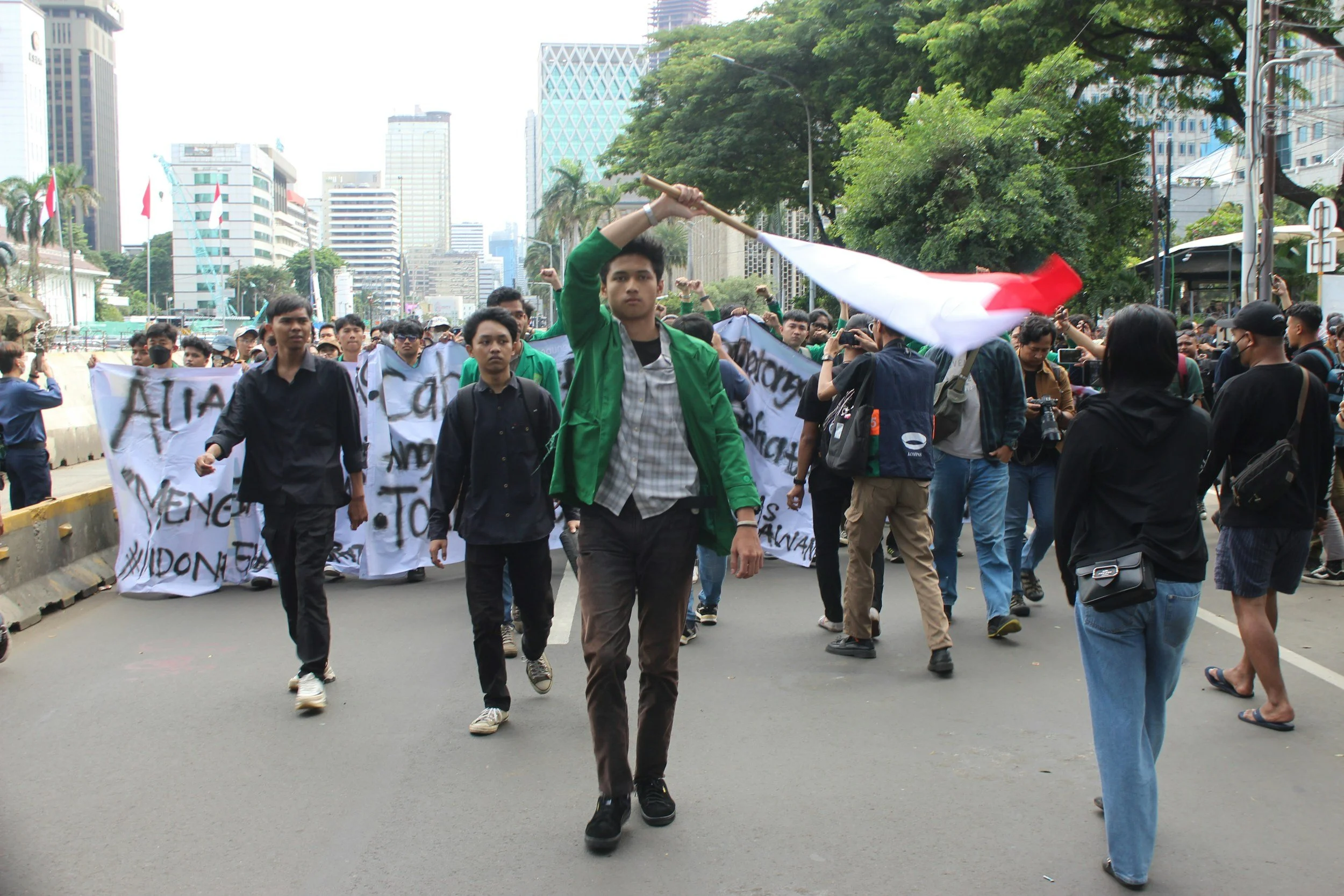
political protests can start peacefully but turn violent, scenario analysis can help prepare staff for extracting participants from this difficult situation. essential for
Support During the Crisis
When a crisis does occur, clear communication and coordinated action make the biggest difference. This phase focuses on supporting students on the ground, faculty leaders, and institutional decision-makers.
Effective crisis support includes:
Maintaining direct communication with the affected student(s) and their emergency contacts
Keeping faculty leaders calm, informed, and supported
Working closely with insurance, medical providers, or security partners
Providing regular updates to campus leadership
Communicating transparently with families while safeguarding privacy
Documenting key decisions and actions as the situation evolves
During a crisis, it’s important for staff to stay focused on student safety and well-being while also being mindful of logistical considerations like transportation, housing, and academic continuity. The goal is to stabilize the situation, ensure students feel supported, and guide the program toward a safe resolution.
Learning From the Crisis
Every crisis—large or small—provides valuable lessons. After the immediate situation has passed, teams should conduct a thoughtful review.
A post-crisis evaluation might include:
Careful review of the incident report
A debrief with staff, faculty leaders, and partners
A review of communication timelines, decision-making processes, and the actual decision that were made
Identification of what worked well and what didn’t
Updates to SOPs or the crisis management plan
Additional training based on identified gaps
Improved guidance for staff, students and faculty for future programs
These evaluations strengthen institutional preparedness and help build a culture where learning and adaptation are part of the risk management process.
Conclusion
Crisis management in international education is not just about responding to emergencies—it’s about building systems that make programs safer, more resilient, and more supportive for students and faculty. With strong planning, clear procedures, thoughtful training, and honest reflection after every incident, institutions can navigate challenges more effectively and continue offering transformative international experiences with confidence.
