Who are the Mapuche?

“We would like you, as head of the Vatican State, to become aware of our firm desire for dialogue on the occasion of your visit to our Mapuche Wallmapuche territory. A dialogue, which we hope to be based on the principle and right of self-determination as Indigenous Peoples, deposing once and for all the historical regimes of paternalism, indigenism, domestication and colonialism that we have been subjected to until today.”

This was the message sent to Pope Francis in 2017 by Mapuche community leader Nibaldo Romero.

Mapuche women in traditional clothing at a territorial recognition ceremony.

Mapuche women in traditional clothing at a territorial recognition ceremony.

The Mapuche have resisted conquest by the Inca Empire, the Spanish Empire, and the Chilean state for hundreds of years. The resistance is not getting any easier.  

The Mapuche are Indigenous People who make up 9% of Chile’s indigenous population. Their ancestral territory spans portions of Chile and Argentina, and while some recognize themselves as citizens of these nations, many do not. They have inhabited these lands since 600 BC, and, having resisted more than 350 years of Spanish colonialization, remained independent until the late 19th century, when the Chilean state rapidly expanded.  Some claim independence to this day.

“I am Mapuche. Don’t call me Chilean,” my friend and host Manuel Maribur told me last year when I visited his home in the Elicura Valley about 8-hour’s drive south of the Chilean capital Santiago.  Manuel is developing a network of community tourism in his community and represents the Mapuche at international tourism conferences. Tourism can be an important source of income for rural families.

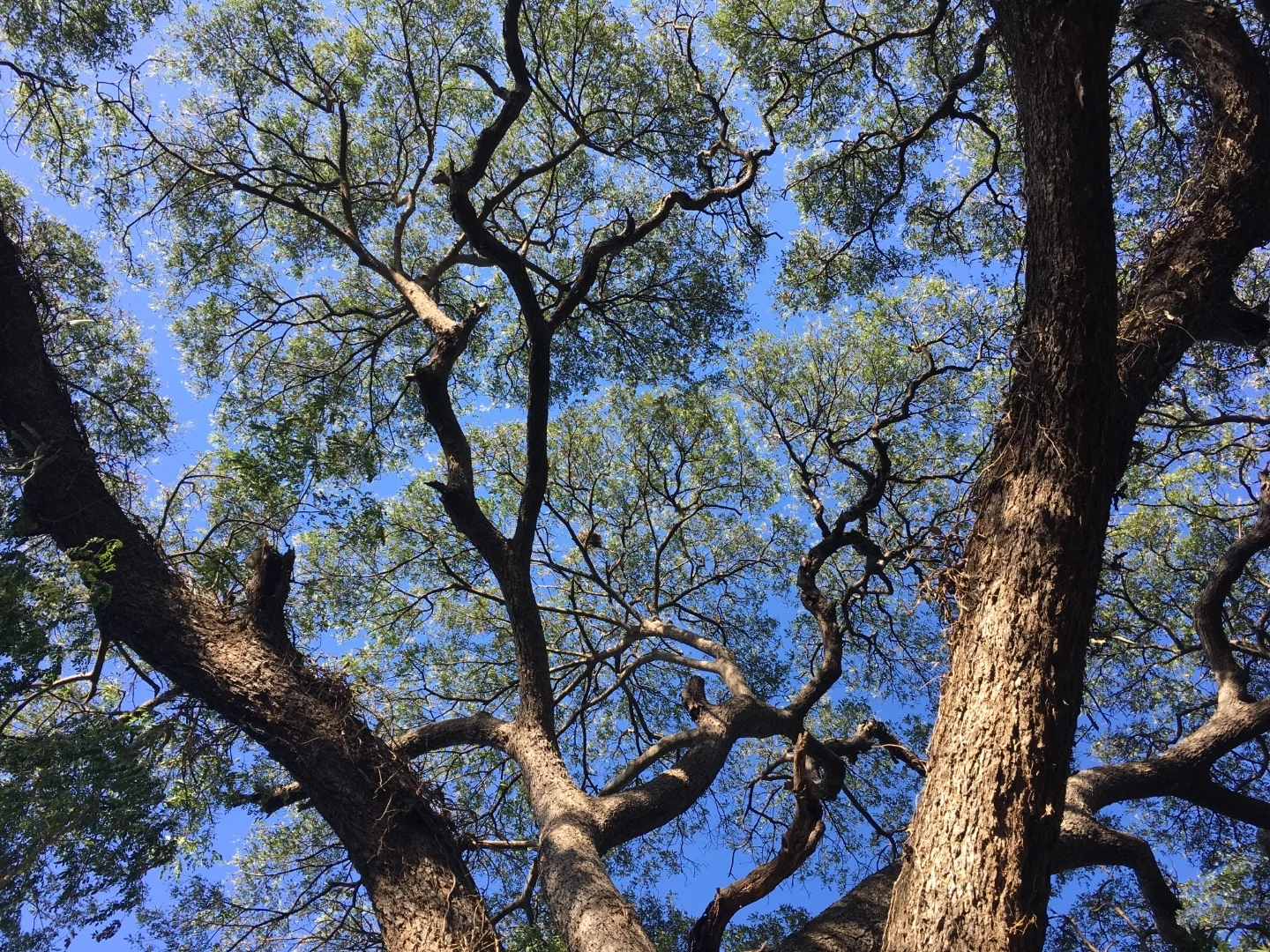
Araucaria trees are a sacred food and life source to the Pewenche people, a subgroup of the Mapuche. 

Araucaria trees are a sacred food and life source to the Pewenche people, a subgroup of the Mapuche. 

The Mapuche speak their own language, Mapudungun, with about 200,000 full-fluency speakers remaining in Chile. It is now being taught in some rural schools where most children are Mapuche. They live in mostly rural communities of extended families led by a chief called a lonko.

Many modern day Mapuche are deeply spiritual people. Central to their cosmology is the idea of a creator called ngenechen, who is embodied in four components: an older man, an older woman, a young man and a young woman. In addition, they believe that spirits of their ancestors coexist with humans and animals in the natural world.

The Mapuche practice herbal and spiritual medicine. In most communities a female shaman called a machi performs ceremonies for curing diseases, warding off evil, interpreting dreams and influencing weather, harvests, and social interactions. Machis often have extensive knowledge of local medicinal herbs and sacred stones and animals, which they learn during an apprenticeship with an older machi.
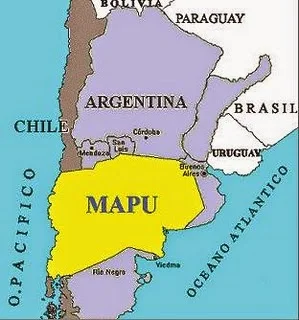
The Mapuche territory spans Chile and Argentina.

The Mapuche territory spans Chile and Argentina.

The modern day resistance of the Mapuche is rooted in the colonial resistance. They consider their land sacred and the invasion of Chilean and international logging and hydroelectric companies to be illegal. Large sections of Mapu territory have been deforested of native species, which were replaced by farmed non-native trees. In the Araucania region, where a group of the Mapuche called Pewenche live, the sacred 1000-year-old Arauraria Pines are dying, likely due to climate change.  

Yet the Mapuche are united in their resistance. Numerous communities have been formally recognized by the Chilean government and now collectively own their land. On numerous occasions Mapuche protests resulted in a diversion of development and forestry projects. Their triumphs over colonizing regimes have been exemplary for Indigenous People throughout the Americas.

Do you want to delve deeper into the history, cosmology, and struggle of the Mapuche?

Join our Culture, Wine, and Glaciers trip this November to stay with a Mapuche family and learn their story firsthand.  

Mapuche woman. Photo: Raul Urzua

Mapuche woman. Photo: Raul Urzua

Why Surfing is the Best

To those who have not surfed, the sport is just another water activity. A leisurely, recreational, or sometimes competitive pursuit, like skateboarding, snowboarding, or wake boarding for that matter. It’s just another kind of board.

Surfing, however, at least to me and to many practitioners, is on a whole ‘nother level.

I tried surfing for the first time in the Dominican Republic on a spring break trip. Like anything I do for the first time, I was terrible at it. My teacher literally pulled me and pushed me until I barely stood up on a moving wave and promptly fell over. An hour-long lesson…2 seconds of upright "surfing". Boom! I was hooked.

There is something about an activity so challenging but with very noticeable progress that makes surfing so addicting. Each little progression, each time you do something new, you feel like a champion. The first time you stand up, the first time you catch a wave yourself, the first time you make a turn, the first time you catch a big wave, the first time you catch a really big wave, with your eyes wide and your heart pounding out of your chest, the first time you get “tubed”, when you are literally inside the breaking wave… and countless tiny steps in between. The reward of just a few seconds of riding a wave is unlike anything I have experienced elsewhere.

But there is another, deeper, element of surfing that makes it different from all other sports. When you surf, you are literally on the same wavelength as the ocean, as nature itself. You sit in the water on your board waiting for the next set of waves to come in, and with each little wave that passes underneath your board you move up and down. Maybe the sun is setting and bathing the ocean in a pink and orange hue, maybe a pelican passes an inch or two above the surface looking for its dinner, maybe you forget about your work, your responsibilities, really everything other than where you are at that moment. Surfing is spiritual and meditative unlike any other sport I’ve tried.

surfing sunset.jpg

If you haven’t tried it yet, needless to say, I highly recommend it.

Here is your chance: From June 28th to July 7, Learn from Travel is hosting Fish School in Panama. You will learn to surf! AND ALSO how to fish and how to prepare seafood recipes. 

Learn More

What is Community-based Tourism and why do we love it?

Sontule is a small, rural community located in the highland Miraflor Nature Reserve, one of the most beautiful places in Nicaragua. (If you don’t believe me, as the 300+ bird species that call Miraflor their permanent or seasonal home.)

Cow pasture in Sontule, Miraflor

Cow pasture in Sontule, Miraflor

After the civil war that plagued Nicaragua and Miraflor through the 1980s, the men in Sontule formed a coffee cooperative. Having a cooperative gave them access to credit, reduced individual risk and start-up expenses, and increased their negotiating power. Women’s cooperatives were at the time, and continue to be, rare.

Women in rural Nicaragua traditionally stay close to home to take care of the children, the garden, and the animals while also cooking and cleaning. Men work in the fields. Because women do not generate cash income it is usually hard from them to weigh in on economic decisions.

Doña Lucia shows a medicinal plant in her back yard.

Doña Lucia shows a medicinal plant in her back yard.

The women of Sontule decided to change this.

A group of 28 women, led by Doña Lucia, one of the community leaders, got together around 1997 and decided to form a cooperative. They did not have land, however. Not discouraged, the women started small gardens in their homes. Some received technical training, such as medicinal plants and teas, with which Doña Lucia is now able to cure a variety of ailments.

Soon after their formation, they received training from a local NGO on Community-based Tourism. They would offer a room in their home to visitors, provide home cooked meals, and take guests on ecotourism activities such as birding, hiking and horseback rides. They also received some startup capital.

Kitchen in Sontule, Miraflor with a wood-burning stove.

Kitchen in Sontule, Miraflor with a wood-burning stove.

From that point their lives, and the lives of hundreds of people who have stayed with them over the years, changed forever.

Visiting Sontule and staying in the homes of the women of Nuevo Amanecer, or New Dawn, as the cooperative is called is an absolutely transformative experience. One that does not come with the luxury of running water, much less hot water, indoor plumbing, or even electricity. It does come with the incredibly unique opportunity to be a part of a family in a place few have traveled to. It is an opportunity to experience the life of a Nicaraguan coffee farmer, and appreciate it for its beauty and its hardships.

This environment is epiphany-inducing. It is one of the best places to learn life’s greatest lessons. This has been my experience, and I know it to have been the experience of countless others.

The Miraflor Nature Reserve provides the visitor with ample time and space to think.

The Miraflor Nature Reserve provides the visitor with ample time and space to think.

Coming back to our original question, Community-based Tourism is the unique opportunity to experience life as a guest, not a tourist, in a rural area. Moreover, it is a way to support local entrepreneurs, and in the case of Sontule female entrepreneurs. It is a way to travel responsibly. It is a way to learn from people whose life has been so very different from one’s own.

At Learn from Travel, we absolutely love Community-based Tourism because of the impact that it has on the traveler and the host. It is what allows us to advance our mission to enrich the traveler and the host. We love it because Community-based Toursim is unlike any other experience you can have. Every community is unique and has something different to teach its visitors. We hope you’ll come to Sontule to experience Community-based Tourism for yourself.

Some of the members of the Nuevo Amanecer agricultural and tourism cooperative.

Some of the members of the Nuevo Amanecer agricultural and tourism cooperative.

Our Medicinal Plants, Mindfulness, and Rural Life experience in Sontule is coming up July 28th – August 4th, 2018.

Learn More
The future is bright in Sontule thanks to Community-based Tourism, entrepreneurial spirit, and the resilience of the Nuevo Amanacer Cooperative. 

The future is bright in Sontule thanks to Community-based Tourism, entrepreneurial spirit, and the resilience of the Nuevo Amanacer Cooperative. 

Our Top 5 Favorite Things about Chile

Chile is one of the most unique countries in the world. This narrow stretch of land, more than 3,500 miles from north to south, but only 350 from the Pacific Ocean to the Andes, has all of the major climates of the world, some of its tastiest fruits, and some of its most dramatic, and I mean DRAMATIC, landscapes. Here are our top five favorite things about Chile. 

Valparaiso (18).JPG

5. Valparaiso
San Francisco of the south, Valparaiso has the grit of a port and the art of a capital. With some of the finest street art in the world, it is a great place to walk if you can stand the hills. Tired of walking? No worries, dozens of elevators throughout the city will take you to splendid views of this colorful sea side town that was once home to Chile's greatest poet: Pablo Neruda. 

chile_vineyard.jpg

4. Vineyards
Chile's climate and soil are perfect for growing grapes. It's rich agricultural tradition is perfect for making those grapes into world-famous wine. The latest trend is producing organic wine throughout Chile's three main wine-growing regions. 

chile_empanadas.jpg

3. Empanadas
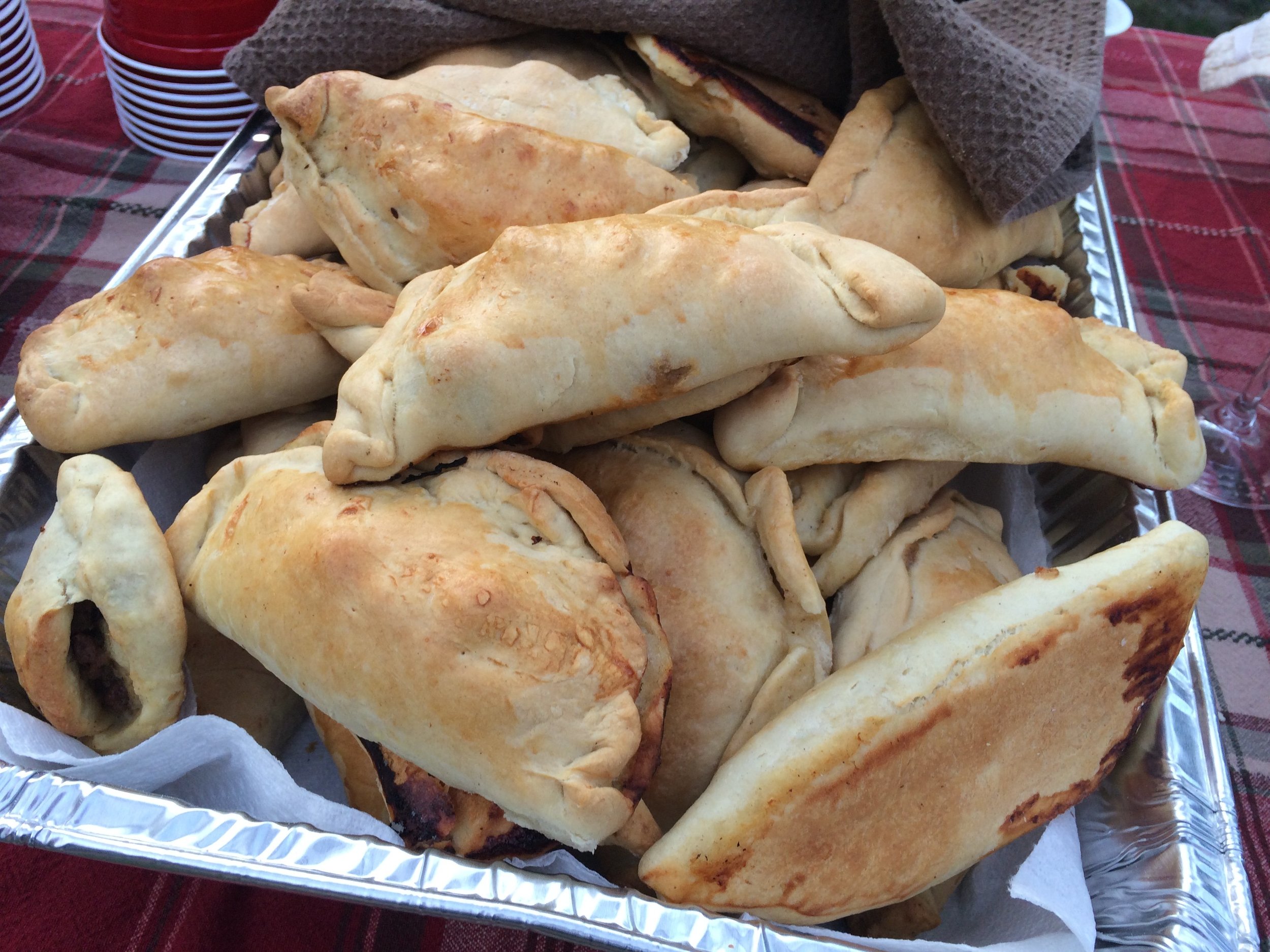
With dozens of options for ingredients, including seafood, the Chilean version of this popular Latin America filled pastry is simply the best. Olives and eggs are usually added to the ground beef or another main ingredient. Empanadas are available road-side and in the finest restaurants in Chile.

chile_guanaco.jpg

2. Camelids
New World relatives of the camel, or camelids, are common in Patagonia. You might see a guanaco (pictured here with some penguins), or a vicuña, an alpaca, or even a llama. But don't confuse these four-leggeds with the huemul, the Andean dear, endemic to the region and sadly endangered. 

Chile_glacier.jpg

1. Glaciers
Chile has some of the largest glaciers in the world. In some cases one can navigate iceberg clogged lakes or bays to approach the tongue of a river of ice stretching for hundreds of miles. Glaciers around the world are receding, so don't wait to see them, they might not be there when you get around to it. 
 

Ready to experience Chile for yourself? 

Learn from Travel brings you an educational and culturally-immersive adventure that will stimulate your mind and your palate: Culture, Wine, and Glaciers in Chile November 17th to 27th. You'll experience the seaside charm of Valparaiso, slush organic wine around your tasting glass, walk the woods with an Indigenous Mapuche guide, and hike through some of the most dramatic landscapes on earth. Take advantage of discount pricing before April 30th.

Learn More

We specialize in responsible, culturally-immersive, educational travel. You'll meet amazing people, go way off the beaten path, and never forget this travel experience. Go! Learn!

Other group travel experiences coming up...

Nature's Medicine in Nicaragua: July 28 - Aug 4

Top 5 Best Reasons to Go to Panama

Panama is one of our favorite countries. It is literally the crossroads of the world, has both Pacific and Caribbean beaches, and, compared to it's neighbor to the north, is relatively undiscovered. Here are just five of the things that make it a really special place to visit. 

casco.jpg

5. Old Quarter
Panama  City is one of the oldest colonial cities in the West, dating back to 1519. The colonial heart of the city was recently renovated, featuring incredible world cuisine, nightly live music, craft beer, and of course stunning colonial architecture. It is one of the most pleasant places to go for a stroll, day or night. 
 

panamahats.jpg

4. Panama Hats
The heart of Panamanian culture is in Los Santos Province, located on the Azuero Peninsula. The largely agricultural area hosts Panama's biggest Carnaval parade and features authentic rural fashion, like these hats. They are made from grass painstakingly woven together into thread and then sewn, all by hand. One hat can take up to two months to make and costs about $300!   

panamafish.jpg

3. Sea food
With so much ocean around it, no wonder sea food is a real treat in Panama. Whole fried or grilled red snapper is a common dinner menu find, while ceviche, raw fish cooked in lemon juice and mixed with vegetables, is a healthy lunch option available at all convenience stores. By the way do you like octopus? That's pretty common too!    

man-surfing-a-wave-at-sunset.jpg

2. Surfing
Warm water, frequent off-shore wind, almost no hazards like rocks or current, and year-round waves make Panama one of the best places to learn to surf. Some of the best breaks are in the Azuero Peninsula in the Los Santos Province. 

panama_monkeys.png

1. Monkeys
Panama is home to a variety of species including an endemic spider monkey and the howler monkey, pictured here. Howlers eat leaves but when you first hear them, that's not what you think. Somewhere between a bark and a roar, the howler monkey will make you shake in your socks just by saying hello. 

Ready to experience Panama for yourself? 

Learn from Travel brings you an educational adventure like no other: Fish School in Panama June 30 - July 7. Learn to surf, fish, and prepare local recipes in one of Panama's most stunning locations: the Azuero Peninsula. You'll be surrounded by howler monkeys, practice yoga, and stay in an environmentally friendly eco-lodge with a permaculture farm and a reforestation project. Take advantage of discount pricing before April 15th. 

Learn More

We specialize in responsible, culturally-immersive, educational travel. You'll meet amazing people, go way off the beaten path, and never forget this travel experience. Go! Learn!

Other group travel experiences coming up...

Nature's Medicine in Nicaragua: July 28 - Aug 4
Culture, Wine, and Glaciers in Chile: Nov 17 - 27