How Much Does it Cost to Study Abroad? Everything You Need to Know

For most international students, cost is by far the biggest barrier to studying abroad. A quick calculation of course fees, accommodation, and other related expenses can turn the firmest of study abroad plans into a pipe dream.

The good news for aspiring travelers is that there are now more options than ever when it comes to studying abroad. With enough research and a razor-sharp budget, you’ll be able to find an enriching study program that fits your finances.

To that end, we’ve put together an exhaustive list of all the costs you to need consider and provided guidance on how to create a watertight budget for your trip. Careful financial planning is key to getting the most mileage (literally and figuratively) out of your study abroad experience!

 
international students

The Costs of Study Abroad

According to research from the International Institute of Education, the average cost of studying abroad is $18,000 per semester and $36,000 for the full academic year. These are very rough estimates, and costs will vary widely based on your country and program of choice.

Below, we break down the different expenses that make up the total cost of studying abroad. Use these as a starting point for your budgeting.

 
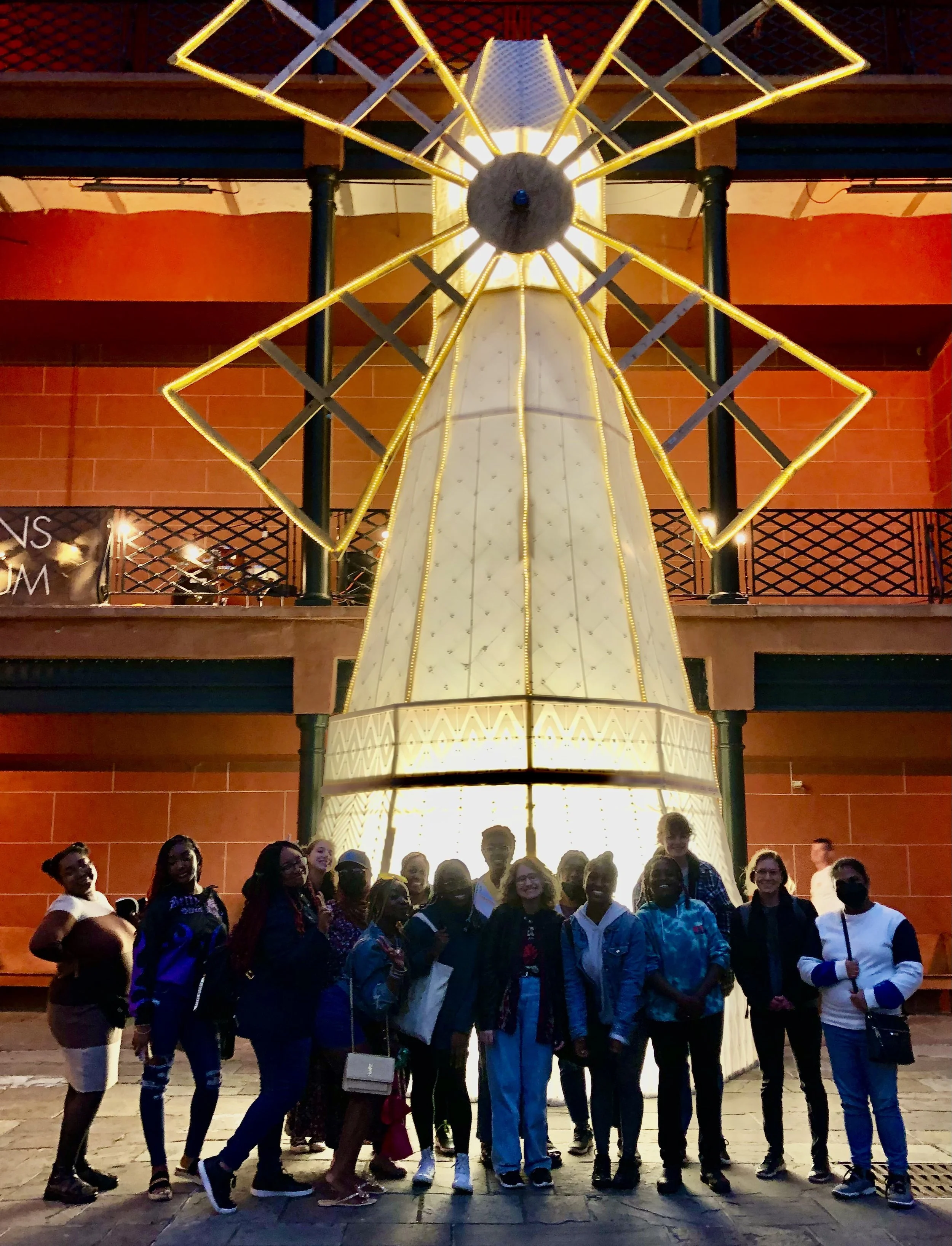
Corpus Christi College in England

Program Fees

Likely to be the biggest expense of your study abroad experience, program fees can range anywhere between a couple of hundred dollars to $40,000 for a full year. The fee depends on several factors, including the length of study, the status of the provider, and the program itself.

Some countries have excellent public education systems and charge international students very little. Where private institutions abound, such as in the US, UK, and Australia, costs are likely to be much higher.

Make note of any additional fees and always check to see if you’re eligible for financial aid in the form of travel grants and scholarships. If you’re unable to afford a semester-long placement, consider a short-term study abroad program at a more manageable price. 

 
study abroad accommodation

Accommodation

Some study abroad programs include accommodation in their upfront costs, providing a homestay or other living arrangement (often with meals included) as part of the package. Where this isn’t the case, rent is likely to be one of your biggest expenses after the program fee.

If accommodation isn’t offered in your study abroad program, you should begin looking for places to rent as early as possible — your study abroad provider will be able to help you with this. Sites like Nestpick and Housing Anywhere can also be used to assess the rental market.

If you’re looking for estimates to factor into your budgeting, Numbeo provides average rent prices for different types of property across more than 10,000 cities around the world.


Living Costs

With rent and tuition covered, your next step is to work out a daily budget for things like food, drink, mobile phone charges, and other related expenses. Research the cost of living in your chosen destination using Numbeo and budget accordingly based on your personal needs.

It’s also advisable to earmark some money for ongoing, miscellaneous support. Try not to be too stringent with your budget; running out of money for daily living costs will quickly turn any study abroad experience sour.

 
dollars and euros

Travel Costs

Travel-related expenses can be divided into three key areas: 

  1. Visa costs

  2. Flight tickets

  3. Day-to-day transport

Travel visas may be necessary for trips exceeding 90 days. They generally cost around $160; you can find the precise price for your destination on the US Department of State’s website

Some study abroad programs will include flights as part of the package, but in most cases you’ll need to arrange your own tickets for arrival and departure. Costs vary depending on how early you book as well as the length of the journey, but you’ll probably need to budget at least $1,500.

You’ll also need to factor in daily travel expenses. Research the costs of buses, trains, and taxis in your chosen destination and budget accordingly. If you’re planning any sightseeing trips or visits home, you can account for these expenses in this part of the budget.
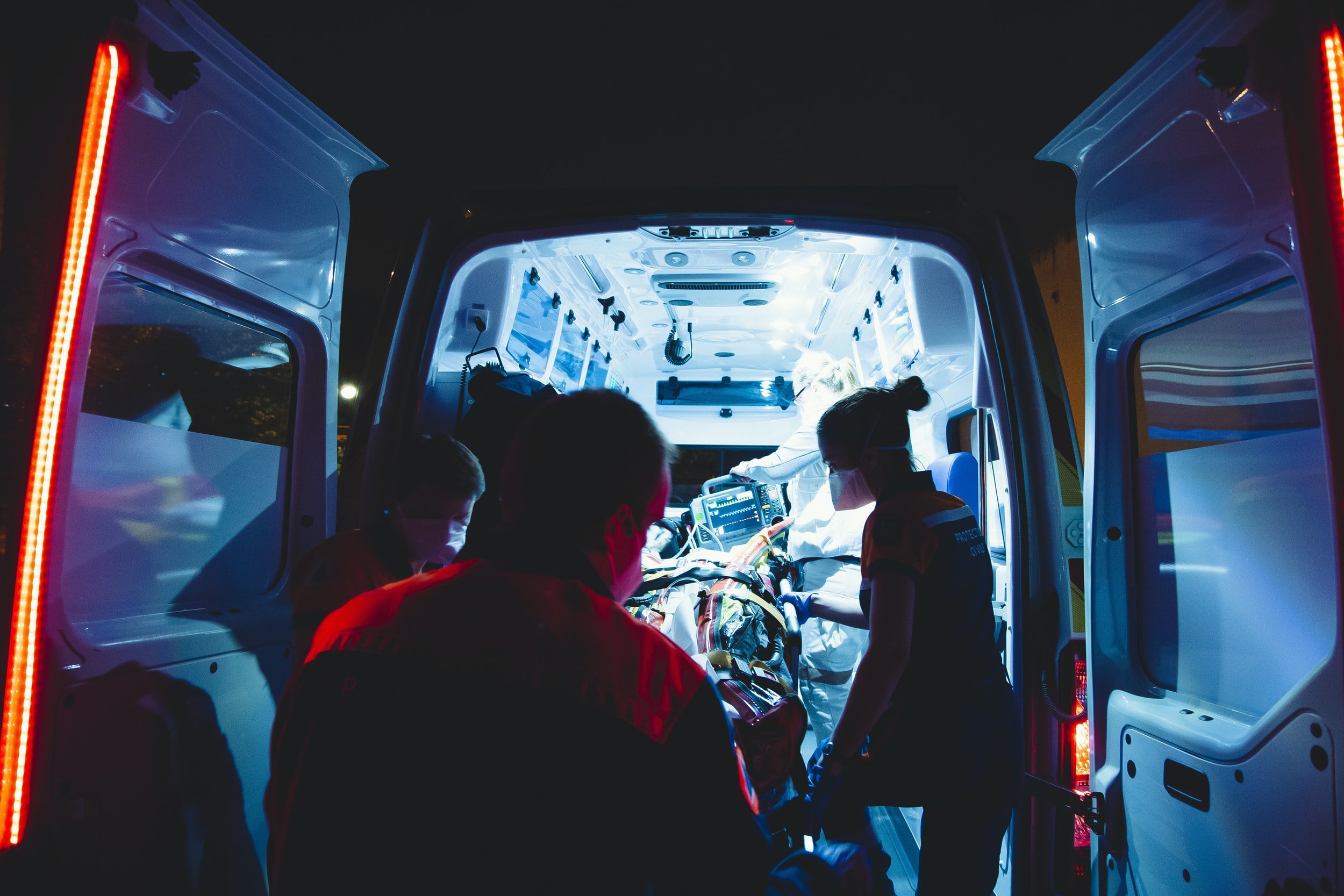
 
travel insurance for emergencies

Insurance

Travel insurance for things like theft, medical emergencies, and natural disasters should not be forgone. An insurance plan with wide coverage will provide priceless peace of mind and allow you to fully immerse yourself in the trip.

Insurance may already be included in your program’s pricing; make sure to check this. Otherwise, comparison websites like travelinsurance.com can help you find a good deal, with basic packages starting at around $30 for short stays.

 
required immunizations

Medical Expenses

Some countries require you to have certain medical tests and immunizations before you travel and enroll in your study program. These may be accessible for free depending on where you’re based, or they could incur a relatively small fee.

 
statue at Place Du Palais Bourbon

Working Out Your Study Abroad Budget

Let’s recap. Your study abroad budget will consist of:

  • Program fee

  • Accommodation (if applicable)

  • Travel costs

  • Living costs

  • Insurance

  • Medical expenses (if applicable)

Below, you’ll find a step-by-step guide to working out a bulletproof budget.

 
add the study abroad expenses

1. Add Tuition, Insurance, and Medical Expenses Together

The costs associated with tuition, insurance, and any medical expenses are all one-off fees and should, therefore, be easy to tally up as a starting point.

For the purpose of this guide, let’s say that you’re planning a semester abroad in São Paulo. You find that your program fee is $3,500, while travel insurance and a mandatory Diptheria vaccination set you back $150 and $30 respectively. That’s $3,680 to start with.

 
one-bedroom apartment

2. Work Out Accommodation Costs

If your chosen program doesn’t provide accommodation, the next step is to set aside some money for rent. Using a site like Numbeo, estimate your accommodation costs based on your location and length of stay.

Let’s continue our example. During your semester in São Paulo, you need somewhere to rent for four months. Based on cost of living data, a one-bedroom apartment in the city center is likely to cost around $600 per month, so you set aside $2,400 for accommodation.
 
calculate travel expenses

3. Calculate Travel Expenses

Start with your travel costs by checking if you require a student visa. Afterward, use a comparison website like Skyscanner to estimate the price of your flights, and remember to factor in any trips home you may wish to make during your time abroad.

This is where things get a little tricky. Based on your location and appetite for travel beyond your placement, set aside some money for day-to-day transport, using localized cost of living data to gauge the prices of buses, trains, and other transport links in your chosen destination.

Here’s how our student in São Paulo budgets their travel expenses:

  • Visa: pays $135 for a Brazilian VITEM IV student visa

  • Flights: allocates $3,000 for two return flights to São Paulo, which includes one trip home during the semester

  • Daily travel: averages day-to-day transport costs as $5, which works out at around $600 for the semester

Altogether, that’s $3,735 for travel expenses.

 
local dish in Brazil

4. Budget Living Costs

Last but not least: your daily living costs. Here, you’ll need to account for food and drink, clothes, phone bills, and other optional costs like souvenirs or a gym membership. Again, use recent cost of living data to make the most precise estimates.

For your stay in São Paulo, let’s say you set a daily allowance of $15 for food and $10 for other expenses. Across the semester, that amounts to around $3,000.

 
tally up all study abroad expenses

5. Tally It Up

All that remains is to add your separate costs together. Here’s our example of a semester in  São Paulo:

  • Program fee: $3,500

  • Accommodation: $2,400

  • Travel costs: $3,735

  • Living costs: $3,000

  • Insurance: $150

  • Medical expenses: $30

Total cost = $12,815

This is a very rough guideline and has only been used to demonstrate the budgeting process. When calculating your own expenses, it’s always best to overestimate costs and leave some extra money available for emergencies.

 
alternative study abroad program

Affordable Alternatives to Semester-Long Study Abroad Programs

Studying abroad for a semester or full academic year is expensive. If you feel priced out of an international university placement, short-term study abroad programs led by third-party providers like Learn from Travel offer a more affordable alternative.

Our immersive programs provide all the cultural benefits of semester-long study within a more manageable two-week timeframe, and at competitive rates that don’t require years of saving. Take a look at some of our sample programs here.

 
study abroad is for everyone

Study Abroad is for Everyone

The wealth of study abroad opportunities available means it’s never been easier to find a program befitting your budget. And with life-changing experiences, professional development, and new friends all awaiting you on your travels, it’s likely to be money well spent!

Are you interested in culturally-immersive travel but have concerns about the price? Contact us to enquire about our affordable short-term study programs and begin your adventure today.
New Orleans: The Quintessential American City

Domestic Destination from Global Education

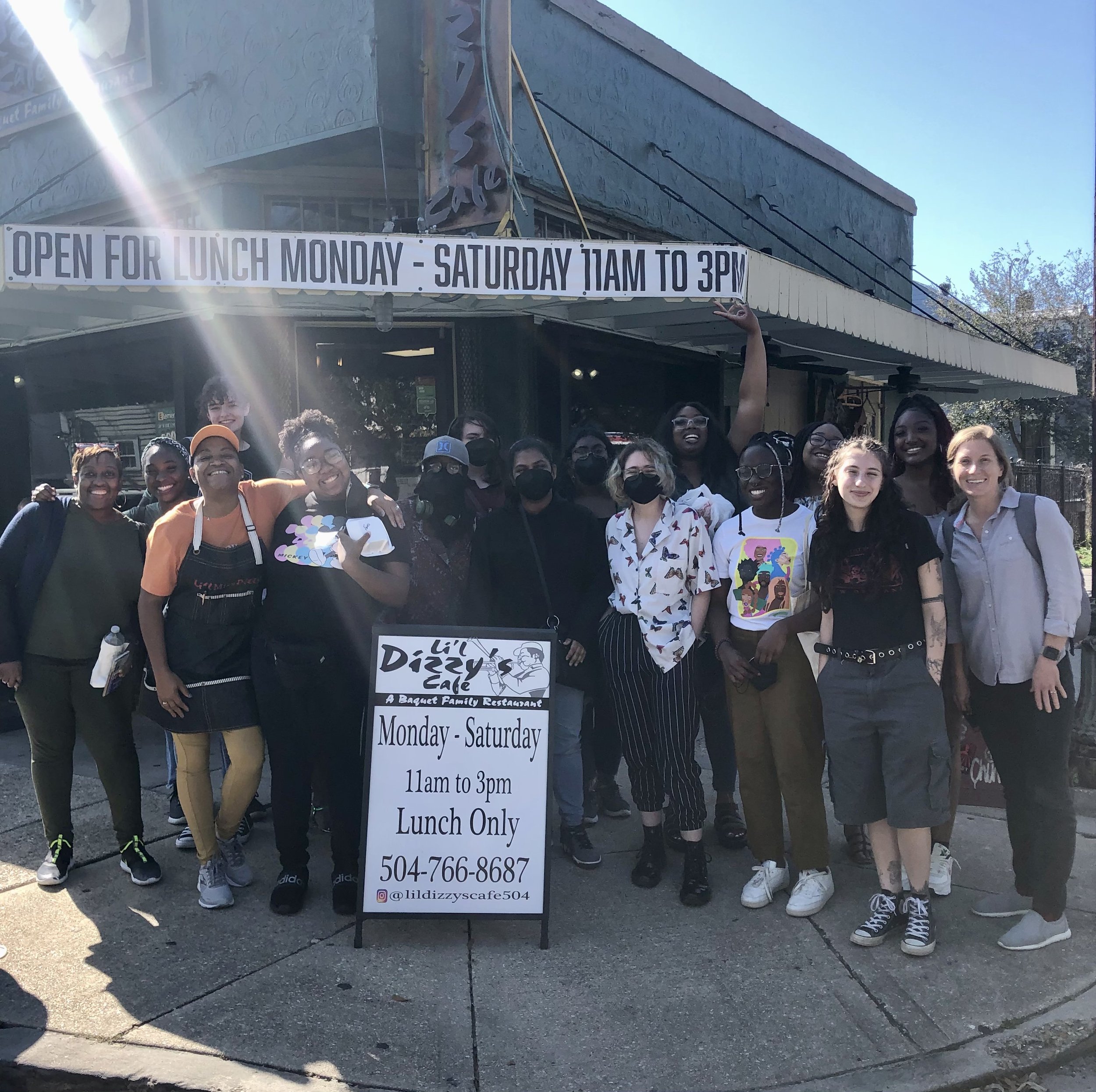
Lil Dizzy's Cafe

As part of our support for Agnes Scott College Global Journeys programs, we were tasked with developing a program based in New Orleans on the topic of social memory. This was a challenging topic to pursue in the American South, and in a city with a storied but difficult past. 

New Orleans is a true example of the modern American city, with its diverse culture, historical significance, and a truly global appeal, ‘The Big Easy’ is a vibrant, raucous, and incredibly interesting place to visit. Whether you know it as the birthplace of jazz or the heartbreaking center of Hurricane Katrina’s horror, its importance reaches far beyond its borders.

The people of New Orleans are what make it what it is.  From its deep indigenous roots to its modern-day diaspora of cultures from around the world, you will not find a more resilient, diverse, and celebratory population anywhere else in the country.

Visiting New Orleans can inspire and educate, and the fusion of multiple diverse cultures serves as a microcosm of contemporary American society. New Orleans is a gateway to the rest of the world - making it the perfect domestic destination for global education.

During our 8-day itinerary in March, students from Agnes Scott College encountered everything that New Orleans has to offer, learning from monuments, museums, and conversations with local guides and community leaders who helped imbue a deeper understanding of the challenging history of the city and its legacy in the present day.  


Why New Orleans for a Faculty-led Global Study Program?

three women in Cafe du Monde

There is no one singular thing that could sum up New Orleans, but there are two highly influential phenomena to consider in the very first instance: Jazz and Hurricane Katrina. As different as these two influences are, they are among the most important forces that have shaped the Big Easy of today. At the center of the city, however, like a beating heart, are the people of New Orleans.
Historically diverse, it’s key to understand how we got to the New Orleans of today - and on this program we do that by looking at the vastly diverse groups of people that have all converged in New Orleans. We explore history through the concept of social memory, a term that historians have used to probe the connection between social identity and historical memory. We can explore and understand the past to help us understand our present culture, context, and identities. Given it’s cultural complexities, more than a fair share of challenges, and a rich history, there is no better place to explore social memory in the US than in New Orleans. 


Indigenous history

A key part of understanding social memory in America is to look at the reality of history, which considers colonial conquest, slavery and how those things are reflected in today’s society.

Long before Europeans settled in America, New Orleans was a Native American settlement for over a thousand years. Our program in New Orleans took in a number of pre-settlement locations and monuments through an Indigenous guide, helping educate students and faculty alike on the deeper roots of the city that lie beneath the centuries of European architecture.


Civil war & removal of confederate monuments

Another key consideration with regard to social memory in New Orleans, is the significance of the city within the context of the Civil War. While New Orleans was captured relatively early on, it was spared much of the destruction of some other places in America. This means that historically, the imprint of the various cultures that influenced New Orleans still stands today, with French, Spanish and Indigenous remnants all visible.

Our program included meetings with organizations such as Colloquate, which helped remove confederate statues from New Orleans. The meeting provoked deep discussions on race and culture within America as a whole, which is exactly the purpose of study of social memory.


The birthplace of Jazz

It would be impossible to visit New Orleans without considering the hugely popular music genre that is jazz, now one of the most enduring and loved genres of music around the globe.

Our program included a visit to the NOLA Jazz Museum, Treme’s Petit Jazz Museum and even a balcony concert at the Jazz Museum. Agnes Scott college students got the full experience from history right through to today - with an incredible live performance!


Hurricane Katrina 

While jazz speaks of the huge impact that New Orleans has had on the world, more recent history recounts the impact that the natural world has had on New Orleans. Hurricane Katrina was one of the most devastating natural disasters the world has ever seen, claiming over 1,800 lives and causing $125 billion worth of damage - with a large part of that hitting New Orleans directly.

The category 5 storm caused damage to most major roads in and out of the city, 53 levees broke, and extensive damage to a number of high-rise buildings and hotels in the area - not to mention the effect this had on the people of the city themselves, a large number of whom sheltered in the home of the local NFL team, the New Orleans Saints. Even the stadium itself suffered significant damage.

Up to 80% of the city was flooded and it has been named one of the worst engineering failures in the history of the world due to the government flood defenses failing so drastically. In the intervening years, New Orleans did see a decline in population from pre-Katrina levels for over a decade, as many people who were displaced during the disaster remained away.

Our program included visits to the Lower 9th Ward Living Museum, which features histories from community members regarding those hardest hit by Hurricane Katrina, which imbued the students with a real sense of the resilience of the people of New Orleans and what it meant in real terms to have to deal with the natural disaster of such proportions.


Our domestic faculty-led program - what was so amazing?

Our 8-day guided journey through New Orleans focused on social memory, the presence of the past in today’s New Orleans, and the challenges of identity and culture in the context of the many forces that have shaped New Orleans. The highlights, as always, were the deep and difficult conversations students had with their guides and hosts, with faculty, and with each other. They went as deep into New Orleans fabric as they could have during a weeklong experience, but we really believe that they were transformed by this program.  

Some notable highlights include the following:

  • A visit to the National Memorial for Peace and Justice in Montgomery, the nation’s first memorial dedicated to the legacy of enslaved black people and the major injustices and violence black people have faced

  • Attending a Voodoo Ceremony and Ghost Tour, which explores the links between the city’s past and present

  • Various Jazz museum visits that take in the musical birthplace of jazz across the city, from Treme’s Petit Jazz museum to the New Orleans Jazz Museum

  • Conversations with important stakeholders from the Mardi Gras Indian Council and Colloquate, learning about the multitudes of cultural history in New Orleans

  • A series of exciting meals in important settings, time to reflect upon the deep history of New Orleans, and various live music events we enjoyed as a group

Across the 8 days, students were guided through the itinerary that included meals that challenged their palate, intriguing tours that opened literal and metaphorical doors, visits to off-the-beaten path locations, and meetings with many fascinating residents, such as our Indigenous Trans guide who took our group to see important pre-Colombian landmarks and shared insight from a unique point of view.

The bus trip from Atlanta also included stops at various landmarks on the way to and from New Orleans, breaking up the travel time and allowing the group to take in even more of America’s history along the way.


What students have said about this program

woman in Cafe du Monde

Students on the program were hugely impressed, as per their post-tour feedback. There were near-perfect scores across the board for how professional and engaging our tour guide was on the trip, with friendliness, organization, communication, and logistics all scoring top marks from the students’ point of view.

One student noted that the tour “gave [them] a sense of self and acknowledgment of [their] own culture.” Others declared the tour was “transformative” and praised the opportunity to get out of the classroom and to hear voices from people who deserve to have their narrative heard.

In particular, the Voodoo tour, the Mardi Gras council talk, and the wide range of activities that were organized for the students drew great praise. Almost every student who responded would recommend Learn From Travel.

The diverse range of activities, the tours, and the opportunity to learn directly from the people of New Orleans was of particular note to the students, all of whom also praised the lodging, food, and logistics of the tour as a whole.


What faculty have said about this program

The faculty leaders scored the trip with near maximum points across the board, from the lodging and meals to the guide and logistics of the trip.

The faculty leaders were extremely pleased with the tour guide, too, labeling them ‘amazing’ and praised the fact that any mishaps that did come up (as invariably happens on trips) were dealt with the utmost professionalism. They too would recommend Learn From Travel to others.

Highlights for the faculty included the ever-popular Voodoo tour, as well as the speaker on the monuments and the visit to the Lower 9th Ward Museum commemorating Hurricane Katrina.


Interested in a faculty-led global learning program in New Orleans?

NOLA Jazz Museum Concert

With everything from guided voodoo tours, discovering the birth of jazz first-hand, and learning of the diversity, deep-rooted culture, and resilience of the incredible people who make the Big Easy what it is today, New Orleans is steeped in history, vibrant culture, and the somber realities of race in America.

If you’re interested in organizing a faculty-led program in New Orleans, on social memory or another topic, don’t hesitate to get in touch — we’ll be waiting to help plan and deliver your program in New Orleans!

Learn from Travel is a leading provider of culturally-immersive travel programs. With a deep network in New Orleans, we’re well equipped to help you arrange your faculty-led domestic study abroad. Contact us today to begin planning your fully customizable New Orleans travel experience.

Should I Study Abroad? Benefits & Considerations to Help You Make a Decision

At first glance, the decision to study abroad may seem like an easy one — especially when you’ve probably heard such positive reviews from study abroad alumni. Who wouldn’t want to develop their skills and experience a new culture while making new friends along the way?

Once you get past the initial excitement, you realize that studying abroad is a huge commitment, not just financially, but also academically and psychologically. An honest assessment of the benefits and drawbacks of study abroad is the only way to decide if it’s right for you.

Below, we explore all the key considerations you need to make an informed decision. By reflecting on the benefits of studying abroad and applying them to your own circumstances, you’ll finally be able to answer that perplexing question: should I study abroad?

 
exploring different places

Reasons Why You Should Study Abroad

From career development to personal growth, there are so many great reasons to study abroad. Let’s look at three of the best.

 
see the world through studying abroad

1. Study abroad allows you to see the world

If you’ve grown restless in your hometown and developed a desire to see the world beyond, study abroad could be right for you. It gives you the chance to meet new people, experience other lifestyles, and see famous attractions firsthand.

Culturally-immersive travel programs that bring you close to the life of a local may be daunting at first, but are the most rewarding way to experience other countries and cultures and open your mind to new ways of thinking. 

 
international work

2. Study abroad improves your employability

Did you know that 6 in 10 employers give extra credit for international student experience, with 80% actively seeking graduates who’ve studied abroad? When you consider the skills derived from study abroad — communication, independence, problem-solving — it’s easy to see why. 

Particularly in careers where intercultural competence is crucial, such as global communications, international business, and community relations, study abroad experience will go a long way to enhancing your employability prospects. 

 
study abroad aids self-development

3. Study abroad aids your self-development

Study abroad won’t just help you grow professionally. Your experiences in a new country and culture will also play a key role in your personal development. Through seeing the world, you can learn new things about yourself and your position within it.

97% of students in a recent study reported greater self-confidence as a result of their time abroad. Cultural immersion programs will also help you develop a global perspective that’s key to being a more empathetic person.

 
reasons why you should not study abroad

Reasons Why You Shouldn’t Study Abroad

Travel, career development, and personal growth are three very valid reasons to study abroad. The two below, however, are not.

 
learning about farming

1. You heard study abroad was good

With superlatives like “life-changing” often used to describe study abroad, it can be tempting to commit to an international program without a second thought. However, just because a close friend or family member recommended studying abroad doesn’t mean it will be right for you.

Listen to other opinions, but maintain your objectivity and consider whether you would like to go through those same experiences. The same goes for negative opinions; one bad review of study abroad shouldn’t dissuade you from considering it yourself.

 
friends who are enrolling in study abroad programs

2. Your friends are enrolling in study abroad programs

Don’t follow the crowd. The idea of spending a semester or even a full year away from your closest friends may be unsettling, but it shouldn’t push you to do the same — unless study abroad is also a good fit for you.

Your personal needs and goals should be central to any decision you make about studying abroad. So while enrolling in a study abroad program to enhance your career makes perfect sense, doing so out of fear of missing out certainly does not.


Five Questions to Help You Decide Whether to Study Abroad

If you’re still unsure whether studying abroad is right for you, ask yourself the five following questions. 

 
leave behind family and friends

1. Am I ready to move away from home?

As appealing as study abroad might sound on the surface, you must ask yourself whether you’re ready to leave behind the familiar comforts of family, friends, and routine for months at a time. 

Culture shock and social isolation can be extremely overwhelming for international students, especially in the early weeks, so make sure you have a strong support system in place to help you with homesickness.

 
achieving goals through study abroad

2. Will study abroad help me achieve my goals?

Arguably the most important question on this list, you must consider how study abroad fits in with your long-term goals. Any program you enroll in will be a major investment of time, money, and effort, so it’s critical that you gain something from the experience.

Your goals could be professional or personal. Once you’ve mapped them out, you can begin to shortlist specific institutions and programs that will support your development and take you closer to where you want to be.

 
exciting activity

3. Is there a country or city that excites me?

Many study abroad students have their hearts set on a particular country or city years before they eventually enroll in a program to study there. Perhaps you have a favorite travel destination from childhood, or somewhere you’ve only researched but can’t wait to see yourself?

If you don’t already have a country in mind, consider what qualities in a travel destination are most important to you (climate, cuisine, and attractions are a good place to start). Once you’ve shortlisted a few options, you can begin to research study abroad programs.

 
travel photography

4. Are there any study abroad programs that match my interests?

Unfortunately, you’ll be spending the vast majority of your time abroad studying (a shock, we know), so you’ll need to find a course that you’re going to enjoy. While your course is likely to revolve around your current studies, there may be an opportunity to explore new modules too.

After narrowing down your search to a handful of countries, check out the different study abroad providers and make a list of any programs that catch your eye. Another important factor here is the quality of teaching on offer, which you can gauge using world university rankings

 
study abroad budget

5. What is my budget?

Study abroad costs vary wildly; some destinations can cost tens of thousands of dollars more than others. Setting a budget that takes into account program fees, accommodation costs, travel expenses, living costs, and insurance will help you work out what’s financially viable.

Make sure to check whether you’re eligible for scholarships and other types of study abroad grants. If you find a semester-long program to be too expensive, short-term study programs delivered by third-party providers like Learn from Travel provide a much cheaper alternative.

 
taking the next step

Taking the Next Step

The decision to study abroad is one of the biggest you’re likely to make in your life. Don’t make the mistake of rushing things; a thorough research process will ensure you arrive at the right decision and — if you do choose to study abroad — have the best experience possible. 

Decided that study abroad is right for you? Take the next step and bring your travel plans closer to reality by contacting us today. We’ll work with you to arrange a fully customizable, culturally-immersive study abroad experience that lives long in the memory!

5 Amazing Summer Abroad Programs for Students to Consider in 2022

traveling alone

Studying abroad for a whole semester is a big commitment. It can be overwhelming to move away from home for months at a time, all while juggling your studies and adjusting to a new culture. If only there was a more accommodating alternative…

Well, there is: a summer abroad program! Rather than idling away those long summer months back home, why not finally fulfill those travel ambitions you’ve long been nursing?

Summer study abroad programs are much shorter and more affordable than a semester-long study program, and they sometimes offer the same college credits too! Furthermore, there’s far greater freedom to immerse yourself in the culture and get hands-on with your studies.

To give you a flavor of summer travel, we’ve put together a list of five of the most exciting summer study abroad programs. Covering different courses and continents, we’re confident that there’s something for everyone on this list!

 
woman traveling

5 Top Summer Traveling Programs

 Our list of summer study abroad programs was compiled based on a range of factors, including the quality of learning opportunities, degree of cultural immersion, and level of environmental and community sustainability. 

For each program, we’ve included unique benefits and a sample itinerary for your reference.

From the verdant foothills of the Andes to picture-perfect Tuscan valleys, here are five of the best summer study abroad programs.

 
Temple of Athena in Greece

1. History in Greece

Greece is a bucket-list destination for any history buff, but even students that don’t know their Socrates from their Plato will find abundant treasures awaiting them in this marvelous country. What’s not to like about ancient ruins and island-hopping in the Mediterranean sunshine?

Our selected study abroad program allows students to get up close and personal with the history of Europe’s oldest culture, detailing the development of a nation from the Bronze Ages through to its independence in the 1820s.

From the crumbling walls of the Acropolis to bold Byzantine churches, the course explores Greece’s rich cultural history in the best way possible: by seeing it first-hand. With trips to Athens, Crete, Nafplion, Delphi, and Thessaloniki, you certainly won’t be getting bored.

Sample program: History and Culture in Greece: Ancient to Modern

Unique benefits: hands-on fieldwork, gorgeous weather, rich cultural history

Sample itinerary

  • Spend three days in Athens, visiting the city’s iconic landmarks and relaxing on beautiful nearby beaches in your downtime. 

  • Take a ferry to Crete for more coastal landscapes and some fascinating Bronze Age sites. After a couple of days, travel to the enchanting port town of Nafplion for its famed ancient ruins.

  • Head north to mountainous Delphi, stopping by at the sacred sanctuary of Apollo and his prophetic priestess, the Pythia.

  • Continue inland to Thessaloniki, making time for the former kingdom of Alexander the Great at Pella. Finally, fly back to Athens to complete your trip.

 
city landscape in Bogota

2. International Business in Colombia

Over the last couple of decades, Colombia has emerged as one of the foremost options for study abroad in Latin America—and there's a good reason for that! With a colorful culture, a buzzing urban life, and a wide variety of ecosystems, Colombia really is the full package.

There’s certainly a lot to fit into your Colombian summer abroad. In between study time and stop-offs in the likes of Medellin and Bogota, you’ll be hiking Andean valleys, surveying pre-Hispanic archaeological sites, and connecting with indigenous rural communities.

Our selected sample program will also take business-savvy students right to the source of the international flower supply chain to meet local farmers whose goods are exported worldwide. The course offers a fascinating insight into the logistical management of a global operation.

Sample program: The Business of Flowers in Colombia

Unique benefits: vibrant cities, world-class biodiversity, affordable cost of living

Sample itinerary

  • Arrive in Medellin. Tour the city’s many sites of cultural interest and its globally-renowned Botanical Gardens.

  • Leave behind urban comforts and travel to Saint Elena, the country’s flower capital. Break bread with one of the local farming families and hike the leafy forests of Parque Arvi. Return to Medellin via cablecar.

  • The next morning, fly out to Bogota. Learn more about the flower industry with talks from the US Embassy and the president of the Colombian Association of Flower Exporters.

  • Walk the capital’s stunning colonial center and visit the Gold Museum for insights into the country’s pre-Colombian culture. Ascend to the top of Monseratte and reflect on your learnings before flying home.

 
jamaica is paradise for travel

3. Cultural Studies in Jamaica

You might think of Jamaica more as a tourist destination rather than a place to study abroad, but the country offers incredibly enriching experiences for students willing to venture beyond its palm-fringed beaches. Don’t worry—there’s plenty of time for those too!

During our selected summer program, students will learn about the culture and history of the African diaspora on the island, gaining perspective on the country’s colonial past that has shaped the society today. 

Visits to important historical sites in Kingston and Montego Bay as well as homestays with indigenous communities provide an authentic account of Jamaica. Away from your studies, hike the mesmeric Blue Mountains and traverse dense jungle before relaxing on the coast.

Sample program: Legacies of Resistance in Jamaica

Unique benefits: rich socio-political history, tropical beaches, Caribbean climate

Sample itinerary

  • Arrive in Kingston. Visit the capital’s major landmarks including Devon House and Emancipation Park while finding your feet.

  • Travel to nearby Port Royal, an important heritage site and former home of infamous pirate Henry Morgan. Head to Liberty Hall to check out the Marcus Garvey Museum.

  • Tour Jamaica’s historic Maroon settlements, the communities established by runaway slaves three centuries ago, in Charles Town and Moore Town.

  • Head to the other end of the island to learn about the Rastafari religion at the Rastafari Indigenous Village. Continue to Montego Bay, taking in the Cultural Center in Sam Sharpe Square and soaking up the sun before heading home.

 
The Colosseum in Italy

4. Fine Art in Italy

With unbeatable cuisine, scenic landscapes, and an intriguing history spanning many millennia, there’s plenty of reasons to travel to Italy. Throw gorgeous summer weather into the mix and it’s an offer few can refuse!

Boasting sun-kissed beaches, modern cities, and an innumerable list of important historic sites (the Colosseum, Pompei, and the Vatican to name a few), Italy holds a wide appeal, but it’s perhaps best suited to the artistically inclined.

Aspiring painters should look no further than Boston University’s Tuscany Landscape Painting Program, which allows students to hone their talents in an unparalleled setting: the picturesque vineyards and olive groves of the Mugello Valley.

Sample program: Tuscany Landscape Painting Program 

Unique benefits: amazing food, rich cultural history, beautiful summer weather

Sample itinerary:

  • Fly into Rome and spend a couple of days touring the main sites of this hallowed city, indulging in pizza and red wine to your heart’s content.

  • Travel north to the Tuscan capital of Florence. Marvel at the city’s Renaissance art and architecture, making sure to inspect works from Michelangelo and Botticelli.

  • Head to the plush hillside estate of Capitignano for a six-week masterclass in landscape painting.

  • Push on through Pisa, securing your cheesy photo against the Leaning Tower on the way, and into the port town of Livorno for some white-beach action before heading back to Rome to complete your trip.

 
Japanese culture and language

5. Language and Culture in Japan

From cozy kimonos to sushi bars, Japanese culture can be found in all corners of the world—but there’s no place better to see it than the Land of the Rising Sun itself!

A summer study abroad program allows students to experience the country first-hand, and even learn the language. When you’re not touching up your Japanese in the classroom, lose yourself in labyrinthine cities or escape to the rural regions for some awe-inspiring vistas.

Our selected program is based in the cultural capital of Kyoto, where Shinto shrines and Zen temples hide around every corner. If you’re looking for a truly authentic Japanese adventure, this is the place to be.

Sample program: Seasonal Japanese Language Course in Kyoto

Unique benefits: fascinating culture, ultra-modern cities, immense natural beauty

Sample itinerary

  • Arrive in Tokyo and spend a few days taking in the best of the capital’s attractions, including Ueno Park, Tokyo National Museum, and the world-famous Ginza shopping district—save the temples; there’ll be plenty of these further down the road.

  • Begin your journey southwest on the bullet train, stopping off at the iconic Mount Fuji for one night.

  • Push on for the lengthier leg of the journey to Kyoto where you begin your six-week course. Spend free time soaking up Japanese culture in local restaurants, theatres, and places of worship.

  • Spend your final day gazing into the endless waters of Lake Biwa outside Kyoto, reflecting on your study abroad experience. Fly home. 

 
beautiful views while traveling

Selecting Your Summer Abroad Program

We hope this list of summer study abroad programs has given you the inspiration and impetus to pursue summer study abroad. 

To decide on your destination, carefully consider your learning goals, travel ambitions, and budget. Once you’ve settled on a program, all that remains is to throw yourself right in! 

If you’re interested in organizing a summer study abroad program, don’t hesitate to contact Learn from Travel’s expert study abroad providers here.

Top 10 Mexico Travel Tips for Students

guadalajara cities in mexico

Mexico is one of the most affordable destinations for international students

With vibrant cities, rich indigenous cultures, and sprawling coastlines, Mexico ticks every box for young people seeking adventure. 

It also has some of the best universities in Latin America, making Mexico a popular destination for students who want to kick-start their careers with an excellent international education.

If you want to visit Mexico, we’ve got some handy advice that will help you get the best out of your experience. From money-saving tips to safety tips, here are 10 of the most important things to know before traveling to Mexico.

 
Day of the Dead in Mexico

Day of the Dead in Mexico is an amazing thing to experience. You’ll want to speak basic spanish to get the most out of it.

  1. Learn basic Spanish

Before embarking on the trip, we recommend that you learn some basic Spanish. English is spoken by some locals in the major cities and tourist areas, but if you can speak Spanish, you’ll be able to connect with them on a more meaningful level. 

Study basic phrases including greetings, requests, and directions. This can be done by using a beginner’s Spanish dictionary or a free language-learning app such as Duolingo. 

When venturing into rural regions, be aware that you may also encounter indigenous languages such as Nahuatl.

 
popular destination in mexico

fall in love San Miguel de Allende, a magical city in central Mexico filled with art and culture.

2.Prepare for different weather

Mexico is a huge country, spanning several different climate zones. If you’re anticipating year-round sun across the country, think again. Packing for different weather is one of the most essential Mexico travel tips.

To the southeast, you can expect warm weather at all times, although hurricane season in the winter months can lead to a tropical washout. Many travelers visiting Mexico aim for the dry season between December and April to sidestep this.

In the highlands—which includes Mexico City and other popular destinations in Central Mexico like San Miguel de Allende—temperatures can drop to surprisingly chilly levels. If you’re visiting these areas, remember to bring a jacket. 

 
man who drink tap water

Even if Local people are drinking, as a traveler you might not be used to the tap water in mexico

3. Avoid tap water

One of our most important Mexico safety tips is to never drink water directly from the tap. Some Cancun tourist resorts have clean tap water, but 99% of the time you will have to source your fluids from elsewhere.

Because of this, you’ll find plenty of enterprising locals offering bottled water at a bumped-up price. Rather than buying bottled water every few hours, do what’s best for your wallet and the environment by purchasing a reusable water bottle.

You’ll also need a water filter or iodine tablets to purify tap water. Conveniently, many of the latest reusable water bottles on the market come with an inbuilt filtration system.

 
stunning beach in puerto del carmen

Mexico has thousands of miles of beaches, try to find some out of the way for the best experience

4. Escape tourist areas

Do yourself a favor and go beyond the common tourist destinations along Riviera Maya like Playa del Carmen. From charming colonial towns to fascinating archaeological sites, Mexico has so much to offer besides its white-sand beaches on the Caribbean coast.

When people visit Mexico, they often skip Mexico City and miss out on a host of world-class cultural sites including the National Museum of Anthropology, Frida Kahlo Museum, and the Leon Trotsky Museum. 

Oaxaca is another much-overlooked region. The state boasts fascinating ancient ruins at Monte Albán, stunning colonial architecture, traditional culinary delights in the form of mole, as well as its own share of picture-perfect beaches in Puerto Escondido and Mazunte. 

 
money in mexico

keeping Mexican Peso in your wallet is important to watch and trade for a number of reasons

5. Carry some pesos

One of our most effective money-saving tips is to always carry a wad of Mexican pesos. Credit and debit cards are widely accepted (and even dollars bills in some areas), but these payment methods often incur extra fees and are also prone to an inflated exchange rate from vendors. 

Instead, use the local currency to save money. If your bank allows foreign currency withdrawals, make sure to withdraw money at an ATM. This will give you a much better exchange rate than an exchange bureau. 

It’s also handy to have Mexican pesos available when making purchases from street vendors, which brings us to our next travel tip…

 
a woman selling street food

you'll never go hungry in Mexico City, as famous known of one of the best street food cities in the world

6. Eat street food

Mexico—and especially Mexico city—is renowned for its mouth-watering street food. Sampling the culinary offerings of local vendors is one of the best ways to (literally) consume Mexican culture. 

Most visitors to the country will likely have sampled Mexican food before in the form of tacos, quesadillas, and even churros—but make sure to leave some room for tamales and elotes too!

Not all food stalls are made equal, however, so take stock of cleanliness as well as if the meat has been cooked. If you notice a long queue of locals lining up, chances are the food will be delicious! 


Bus travel in Mexico is efficient, economical and comfortable and most buses are modern

7. Make use of local transportation

Another way to live like a local is to take advantage of Mexico’s excellent public transportation links. Students can easily hop between states aboard spacious, air-conditioned buses that represent a cheaper alternative to domestic flights or costly taxi rates.

ADO is the carrier of choice among Mexicans. Their buses are extremely modern and run regularly across a vast network of routes that connect virtually all towns across the country.

If you’re working with a particularly tight budget, consider using a ‘colectivo’ to get from A to B—these are shared minibusses or vans that offer locals a budget shuttle service. They’re most common along Riviera Maya in the Yucatán Peninsula but can be found all over Mexico.

 
mexico rental car vw bug

by renting a car is a great idea if you want to go exploring a region on your own schedule, but be weary of scams

8. Be mindful of scams

Scams are rare, but it’s still important to be aware of the warning signs so that you don’t end up out of pocket. There are two groups that you should exercise particular caution with: car rental companies and tour operators.

When browsing car rentals online, you’ll likely find some extremely cheap quotes of around $5 per day—sometimes even less. However, once you show up to collect your rental car, agents will try to charge you a huge insurance fee. For this reason, always go with trusted providers.

You also need to be wary when visiting popular tourist attractions. Many of the biggest sites are populated by unofficial tour guides who will try to rip you off, claiming that a tour is compulsory. This is rarely true, and, in most cases, it’s better to explore the site on your own anyway.

 
use your phone while traveling abroad

best way to stay in touch with someone, get directions, and a convenient way to provide documentation as traveller

9. Extend phone coverage

One of your first priorities will be to upgrade your phone coverage so that it can be used in Mexico. WiFi is usually available in hotels, malls, and restaurants, but if you’re traveling to more remote areas, you’ll need data to keep in touch with loved ones.

Many mobile providers now offer international call and data plans. You may already be on one of these plans, but if not you can look to upgrade.

Alternatively, those traveling to Mexico can purchase a local SIM card to enable internet connectivity. They’re widely available in hardware stores across the country. Telcel is the most popular choice for tourists.

 
Mexico Pyramid

MExico is an amazing destination, you just have to come prepared

10. Secure travel insurance

Mexico is generally a safe country to visit and accidents are unlikely, but it’s still wise to arrange travel insurance for peace of mind. This is especially true during hurricane season when extreme weather can cause property damage.

Make sure to read over the travel insurance policy carefully before purchasing. Some providers may sneakily omit specific scenarios from their coverage, such as hurricane damage or medical evacuation.

World Nomads is a respected insurance provider and offers wide coverage, but we recommend that you use a comparison website like travelinsurance.com to shop around.

 
quaesadilla in mexico

as part of your travelling in mexico; don’t forget to dive into where quesadillas do come from

Are you ready to visit Mexico?

By following these 10 tips for travel to Mexico, you’ll stay safe, keep to your budget, and get to see the best of this beautiful country!

Are you considering visiting Mexico or leading a student group? Learn from Travel has a deep network in Mexico and specializes in culturally immersive study abroad experiences. Contact us to arrange your fully customizable Mexico travel program now!

What You Need to Know Before Studying Abroad

things you need to know before studying abroad

Each year, 5 million students around the world enroll in study abroad programs in search of new learning opportunities and rich cultural experiences. 

Of course, studying abroad is a serious undertaking—whether you’re an organizing faculty member or a participating student, it’s normal to have some reservations. 

That’s why we’ve answered the following questions: what is study abroad? And how does it work?


What is Study Abroad?

Studying abroad allows students to get their education in foreign country. Students receive academic credit but within a different cultural setting at a foreign university or in the field.

During their time in their new country, international students may attend lectures, carry out research and other types of field work, and most importantly, engage with people from different cultural backgrounds. The connection to local people is often the highlight and the most important part of the international education experience. 

There are several different types of study abroad. These include:

  • Exchange - where a student studies at a foreign institution that is partnered with their university, typically for one semester;

  • Direct enrollment - where a student enrolls in a full program at a foreign institution;

  • Third-party - where a student enrolls on a program that is organized by a third party;

  • Faculty-led - where the study program is headed by a faculty member and is tailored to their needs, this with what Learn from Travel most commonly provides;

  • Virtual - where the student accesses international education resources and learning opportunities online. Learn from Travel also offers these kinds of programs.

While students’ motivations for studying abroad vary—from making new friends to learning a foreign language—international education invariably plays a formative role in their personal growth. 


How does Studying Abroad Work?

Studying abroad sounds great in principle, but how does it actually work in practice?

Who Organizes Study Abroad Programs?

In most cases, students enroll in study abroad programs through their institution. Most universities have partnerships with other international institutions, allowing them to exchange students. Sometimes, universities participate in government-led study abroad initiatives.

Study programs organized through a university grant college credit for courses completed at the foreign institution so that students can continue working towards their degree. The university may also help with living arrangements in the host country.

Where a student is unable to study abroad through their institution, they can still enroll in a study abroad course through a third-party provider. These organizations are well connected with travel operators and will arrange all aspects of the study abroad experience. 

In cases when students participate in faculty-led or virtual-programs, they usually enroll in a class on their home campus that has a travel and/or virtual component. 

 
different funding sources for study abroad programs

How are Study Abroad Programs Funded?

Tuition fees for studying abroad can vary greatly. In some parts of the world, international students may face no entrance fees at all. However, even in these cases, there are many other costs to consider such as rent, living expenses, and travel costs.

Financial support is available through scholarships offered by governments, businesses, foundations, and universities. Scholarships can be merit-based on need-based. In some cases, they will cover the entire costs of the study abroad program and don’t have to be paid back. 

Student loans represent a more accessible form of funding. However, these have to be paid back. Faculty-led and virtual study abroad programs allow students to reap the rewards of an international education without breaking the bank.

 
study abroad programs vary from each other

How do Study Abroad Programs Vary?

Study abroad programs vary in terms of location, content, duration, costs, eligibility requirements, and living arrangements. Typically, a study abroad program will last for one semester, although it’s not uncommon for them to take place over a full academic year. 

The characteristics of the study abroad program usually depend on the organizing institution. For example, a university may have strong links to a particular part of the world or an emphasis on a specific area of study—its available programs will likely reflect these.

Studying abroad through a third-party provider can offer a greater level of freedom for participants to follow their own path. 

Faculty-led study abroad programs represent a shorter and more personalized alternative to institutional study abroad programs.


How does Studying Abroad Benefit Students?

There is increasing consensus among students, educators, and HR professionals expressing the value of studying abroad in a new culture. Here are the five main benefits:

Develop language skills

Research from linguists shows that studying abroad is highly productive for language learning when the student is disciplined with their language studies and immerse themselves in the host country.

Building a daily habit of speaking in a foreign language is the best way to achieve fluency. 

Even study abroad students with little ambition of learning a new language tend to pick up some expressions during their time in a foreign country.

 
study abroad students develop their intercultural competence

Build intercultural competence

By exploring other cultures and interacting with the people that comprise them, study abroad students develop their intercultural competence. 

This refers to the ability to communicate effectively and appropriately with people from different cultural backgrounds. It’s an essential skill in the most culturally diverse societies, where intercultural interactions are an everyday occurrence.

 
enhance career opportunities

Enhance career opportunities

International education always looks good on a C.V. and can help graduates to gain an advantage in the job market. Studying in a different country demonstrates to future employers a number of important soft skills including adaptability, communication, and open-mindedness.

In fact, 64% of employers consider studying abroad a desirable experience. Particularly for roles at multinational corporations with diverse staff and clients, the cultural skills that come with studying abroad are looked on favorably by hiring managers.

 
studying abroad boosts your self-confidence

Grow self-confidence

Most students returning from studying abroad say that the experience had a positive impact on their self-confidence. Research from Leuphana University Lüneburg formalizes the link between study abroad and self-efficacy.

It’s hardly surprising; leaving behind your comfort zone for new friends in a different culture will make obstacles in later life seem easy. The unfamiliarity of studying abroad breeds confidence that young people can take forward into the workplace and in their social life.

 
see various parts of the world

See the world

Study abroad allows you to see the world beyond your home country, often igniting a passion for travel that graduates chase for the rest of their lives.

In your time off, dive into the host culture by visiting famous landmarks. You can even take a weekend trip to a neighboring country! This process of exploration will lead to new interests and expand your worldview.


How to Plan your Study Abroad Trip

Studying abroad requires a lot of planning. We’ve broken down the process into four simple stages that will help you to get the most out of your study abroad experience.

learn from travelling

Finding a Provider

As a college or university student, your first step is to reach out to your international education office. Staff trained in arranging study abroad programs will explain the options available to you and offer advice on how to select the right course based on your interests.

If your institution does not operate an exchange program, speak with your favorite faculty members about the possibility of organizing a short-term, highly specialized study abroad program. Learn from Travel works with professors to plan programs tailored to their subject areas. 

 
choose a destination for your study abroad program

Choosing a destination

The next step is to create a shortlist of countries or (even better) cities where you would like to study. Factors that might influence your decision include cultural experiences, language proficiency, or quality of educational institutions.

There are also a few practical considerations you need to make. Think about the cost of living and access to services in each location and shortlist locations based on your personal requirements.

 
selecting a study program that fits you

Selecting a study program

Once you’ve narrowed down your locations, you can begin to browse study abroad programs at specific institutions. Look for interesting programs that will add to your professional development. 

Besides tuition fees, dig deep into your prospective universities by researching their campus resources, academic connections, and student support services. Remember to use multiple sources when carrying out research on each institution.

 
preparing for the trip

Preparing for the trip 

You’ve finally settled on your program, but there are still plenty of things to sort out. Most importantly are your travel arrangements and accommodation. Generally, your provider will be able to help you out with these two areas.

Financing your trip can be challenging, so check if you are eligible for any study scholarships. Creating a budget will also go a long way to keeping costs down. Finally, we recommend learning some basic foreign language skills to help you with social interactions.

 
preparing for study abrpad

Are You Ready to Study Abroad?

With the right planning and an open mind, studying abroad promises a life-changing experience for young people. 

Now that you know exactly what study abroad is, are you ready to start your own adventure? Take a look at Learn from Travel’s educational travel services now!

What Is a Cultural Exchange Program? Benefits, Types, and Examples

Popularized in the 1960s, cultural exchange programs have seen students, scholars, and working professionals venture to far-flung destinations with the ultimate aim of exchanging knowledge and building a more collaborative global society.

That much you probably already know — but how does cultural exchange actually play out in practice? How are they organized? And how do they differ from other types of related programs, such as studying abroad, international volunteering, and overseas work placements?

By exploring the role of cultural exchange in today’s globalized world, as well as the many types of cultural exchange programs available, this blog aims to dispel any uncertainties you may have about cultural exchange — and maybe even convince you to enroll in a program yourself.

 
learning more about culture

What Is a Cultural Exchange Program?

Cultural exchange occurs when two people of different cultural backgrounds share ideas, feelings, and values to promote mutual understanding. Cultural exchange programs simply provide the formalized framework for this process to play out.

In practice, cultural exchange programs see two people from different parts of the world visit each other’s country. The aims of these programs include improving foreign language skills and strengthening ties between individuals.

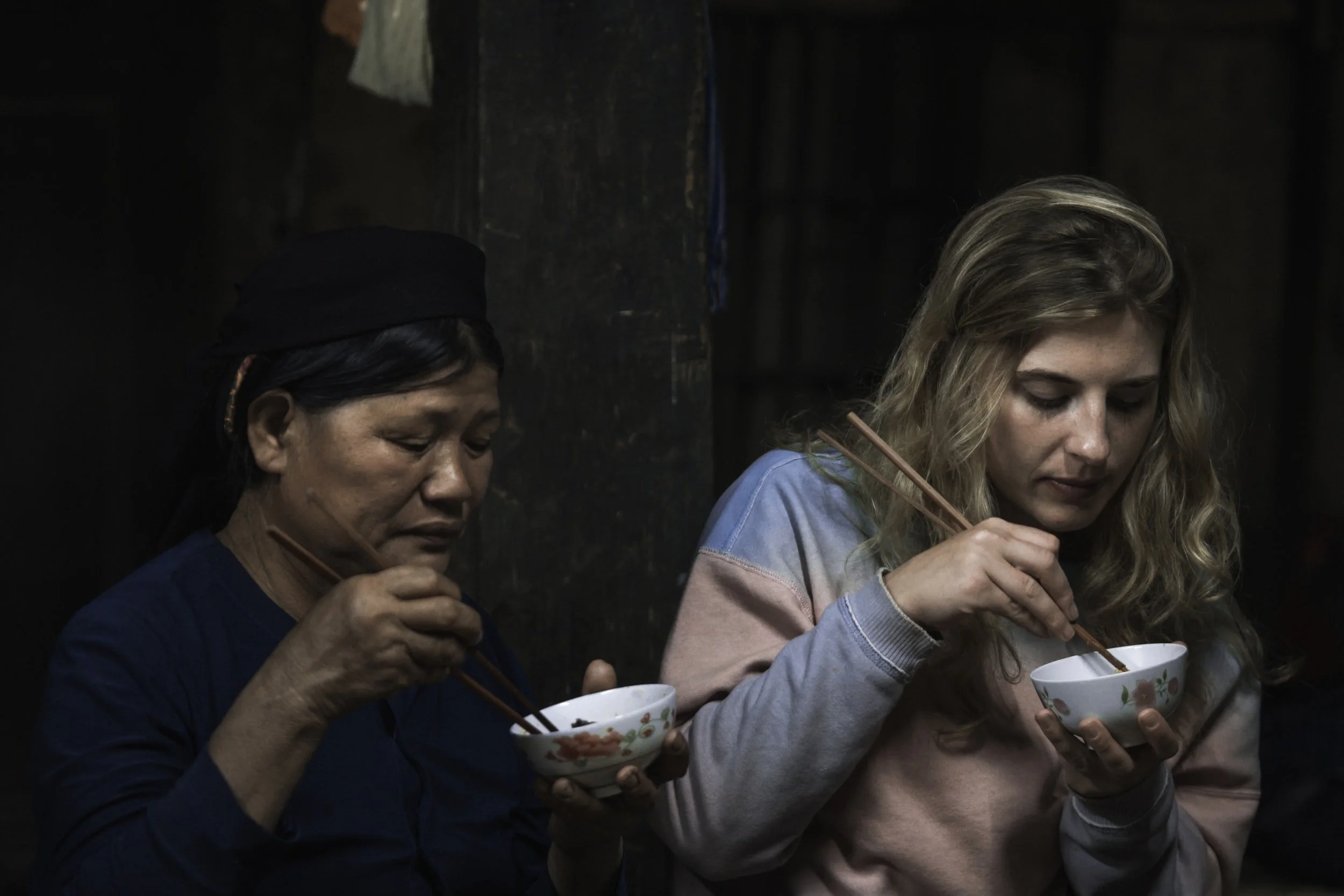
Cultural exchange programs are delivered by a range of providers, including:

More so than in other types of international exchange, there is an emphasis on cultural immersion, with individuals actively participating in the everyday activities of host communities to gain an insight into their lived reality and develop intercultural competence.


What are the Different Types of Cultural Exchange Programs?

Students aren’t the only ones to benefit from cultural exchange opportunities. These programs are plentiful, and cover a range of formats and disciplines from the classroom through to the workplace.

student cultural exchange

1. Student Cultural Exchange Programs

The most popular type of cultural exchange, student cultural exchange programs allow young people to study abroad while living with a host family. The program provider will have a list of partner institutions that students can choose from for their placement.

Students enrolled in cultural exchange programs become active participants in their host culture and build networks with local people. This process of cultural immersion exposes students to new ideas at a formative point in their lives, teaching lessons that go well beyond their studies.

 
volunteer program

2. Volunteer Cultural Exchange Programs

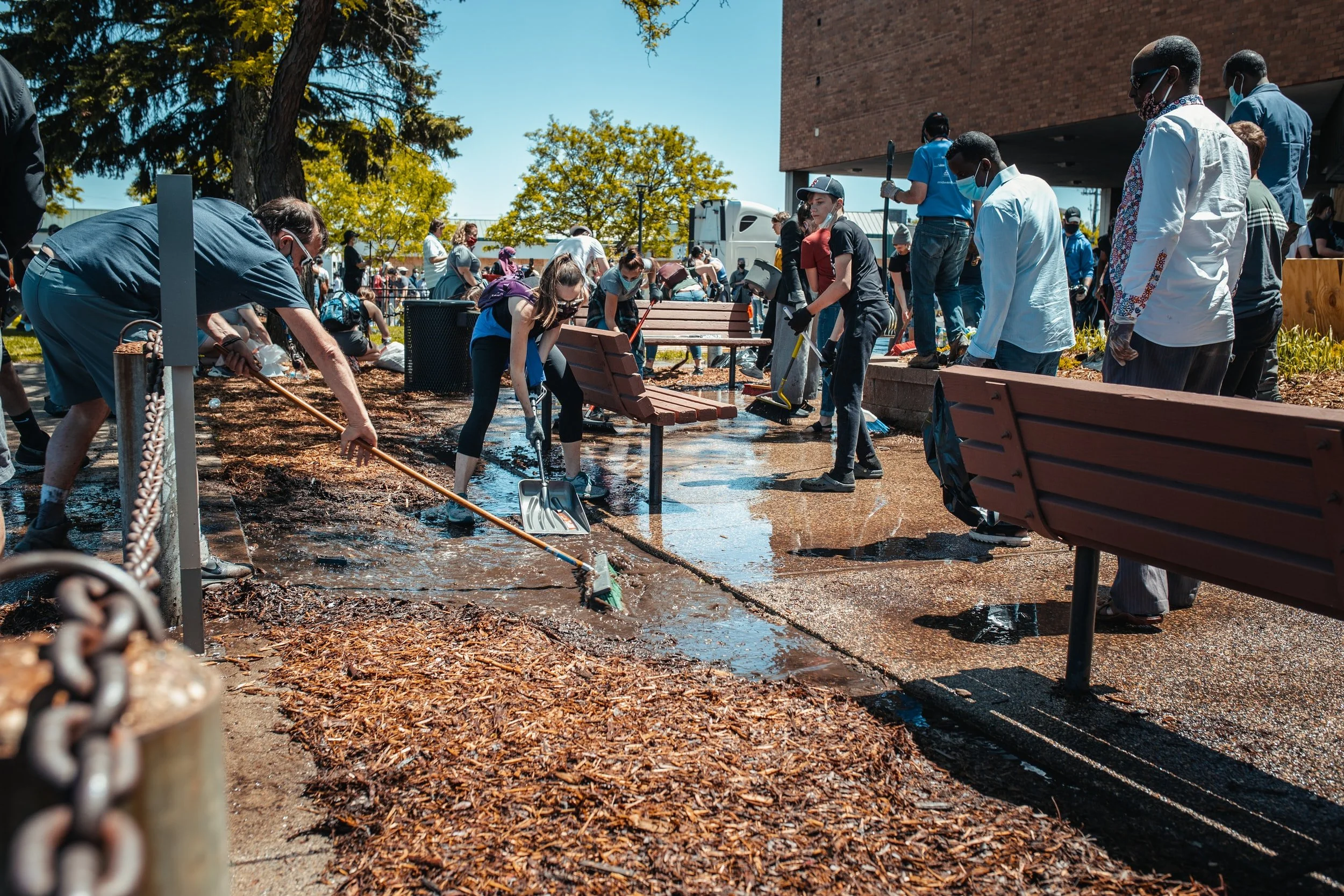
In keeping with the spirit of cultural exchange, volunteer culture exchange programs allow participants to support host communities through their volunteering efforts. Helping others not only benefits those in greater need, but also encourages personal growth among volunteers.

Volunteer cultural exchange programs are generally offered by third-party providers and international organizations. They support a range of important causes in host communities including childcare, teaching, healthcare, conservation, and construction.

 
professional cultural exchange program

3. Professional Cultural Exchange Programs

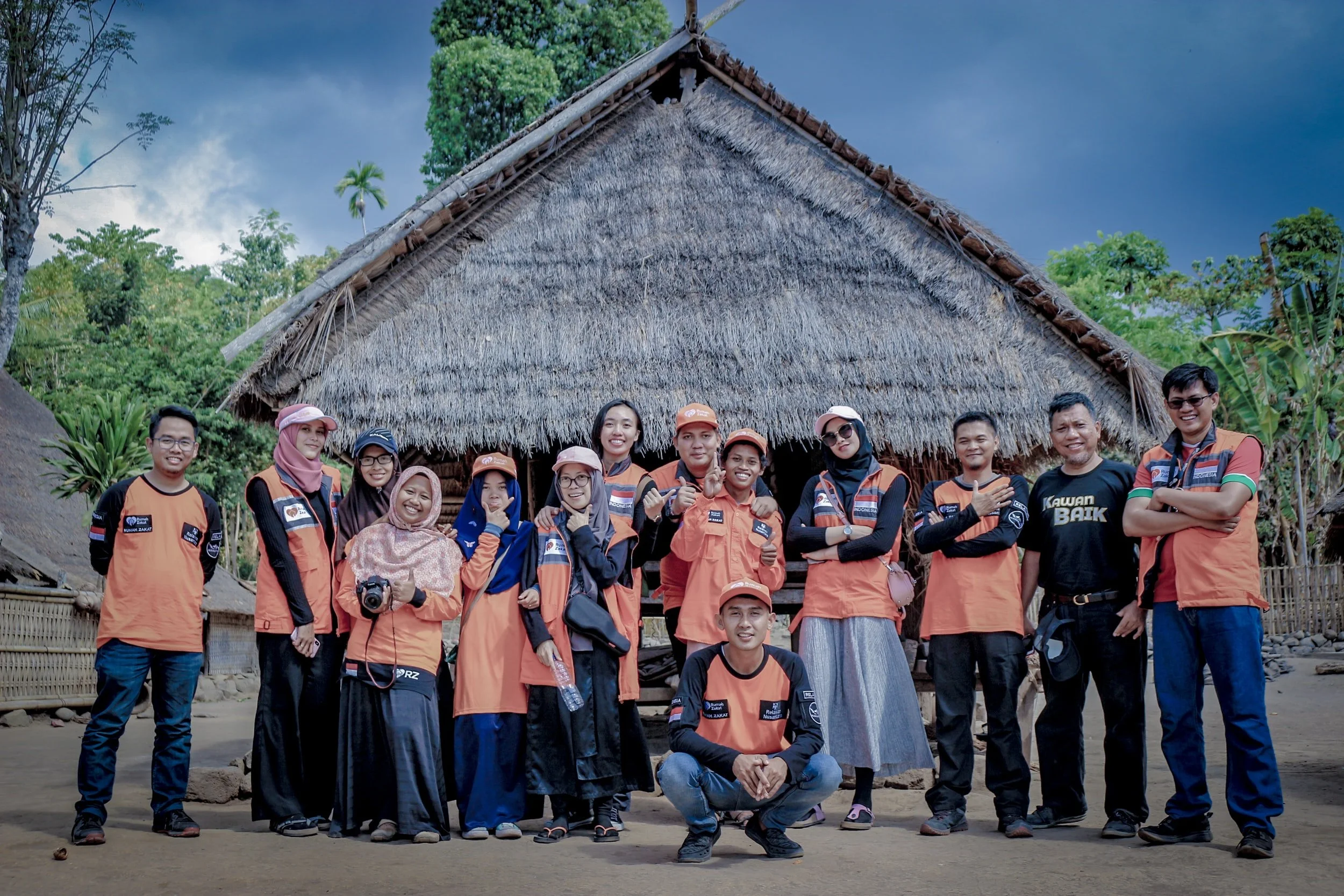
Cultural exchange programs are also available to working professionals and scholars. These programs see field experts visit other countries to meet with society leaders and share ideas, providing host communities with the tools to develop socially and economically.

In most cases, professional cultural exchange programs are organized by governments with the aim of exchanging knowledge and strengthening diplomatic relations. These programs often center on the areas of education, research, technology, and the arts.

 
virtual cultural exchange program

4. Virtual Cultural Exchange Program

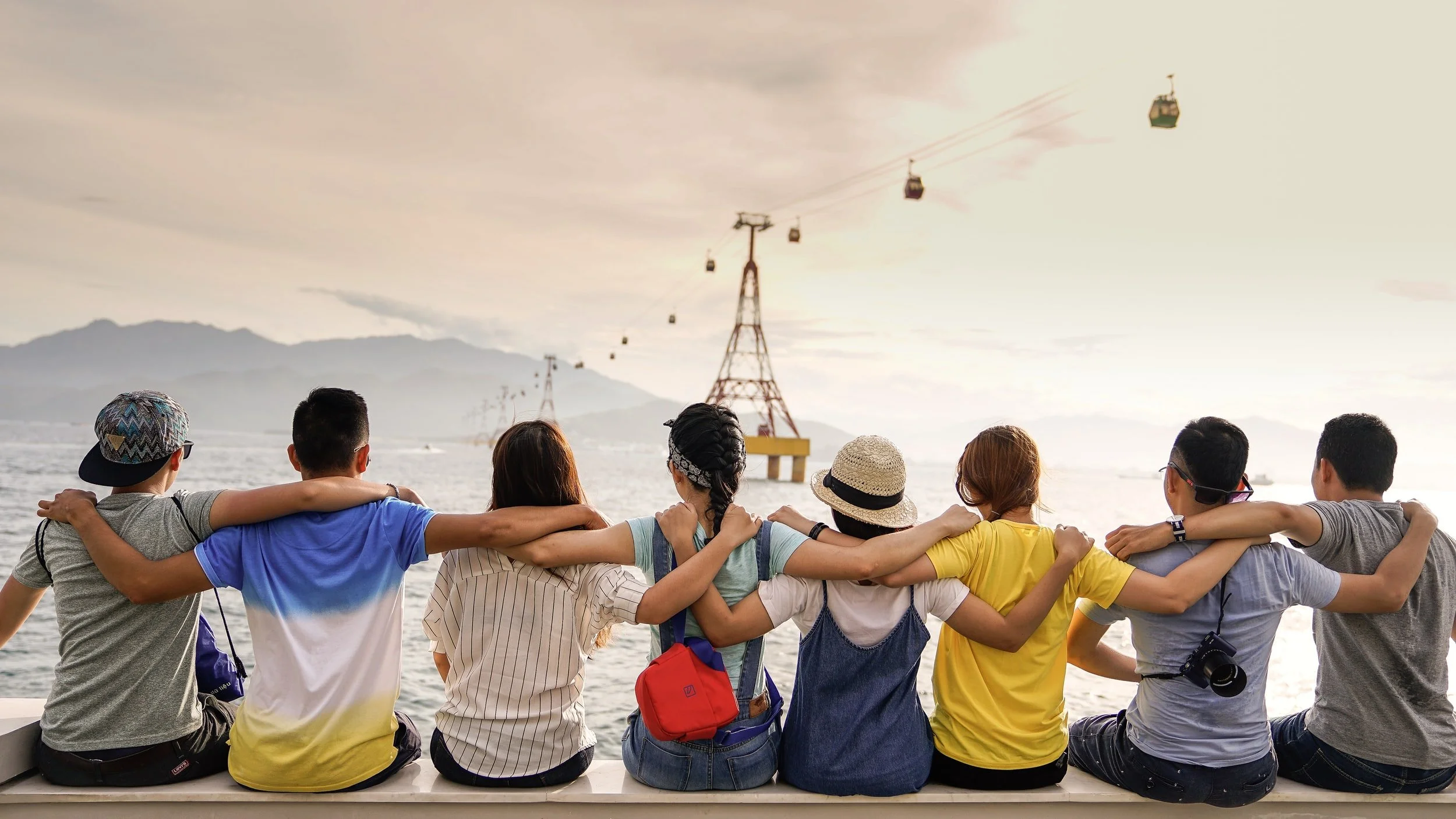
Virtual cultural exchange programs provide a platform for students and professionals to trade knowledge through video calls, web chat, and other forms of communication technology. This format allows multiple parties to participate, providing a global perspective for all involved.

These programs represent a cost-friendly and more convenient alternative to other types of cultural exchange programs. At the same time, virtual programs still provide all the community engagement and project collaboration opportunities that come with traditional programs.


5 Key Benefits of Cultural Exchange Programs

Cultural exchange programs offer a variety of benefits on an individual, community, and international scale. At their core, these programs seek to provide development opportunities for participants and make a positive impact on host communities.

developing soft skills

1. Develop soft skills

Working in a new cultural setting develops a long list of soft skills, including adaptability, organization, problem-solving, and self-confidence. The experience serves as a valuable source of learning that participants can draw on well beyond the duration of the program.

Cultural exchange, therefore, is a great way for young people to develop professionally and enhance their career prospects. Any international experience is likely to be looked on favorably by future employers, and could provide an edge in today’s hyper-competitive jobs market.


2. Forge life-long bonds

Bringing participants into the rhythm of everyday community life, cultural exchange programs help you get to know local people on a much deeper level compared to other types of international programs. With such close proximity, strong bonds inevitably form.

It’s not uncommon for cultural exchange participants to maintain close relationships with friends years or even decades after the termination of their placement. Communication technology makes it easy to keep in touch, and you may even find yourself returning to visit before long.

 
culture exchange program

3. Be a force for good

Whether studying, volunteering, or working, cultural exchange programs provide you with the opportunity to make a positive mark on your host community. Acts of kindness won’t be forgotten by your foster family, exchange buddy, and any other person you engage with.

Setting aside any motives of personal gain, we can begin to see cultural exchange for what it really is: a two-way interaction that benefits all parties involved. Your individual efforts may seem insignificant, but play a key part in shaping a more tolerant and kind-hearted global society.


4. Build intercultural competence

Leaving behind one’s own culture — along with its many norms and values — and engaging with people whose experiences are completely different to your own is an eye-opening experience. It can have a very formative impact on personal and professional development.

This process of cultural immersion helps form a worldlier perspective of things, often referred to as intercultural competence. Not only does intercultural competence build empathy and understanding, but it also reveals things about your own culture that were previously concealed.

 
live like a local

5. See the world

Cultural exchange programs are a great way to travel — but not in the same vein as a tourist. These experiences go beyond surface-level sightseeing, offering an experiential account of other countries and cultures that enables participants to truly live like a local.

One taste of community-based travel — with its allure of local secrets, unexplored streets, and hearty, homemade meals — will prompt you to reassess the way you engage with other cultures and vow never to travel like a tourist again.

 
cultural exchange

Interested in a Cultural Exchange Program?

Cultural exchange is bigger than the individual. The efforts of providers and participants to promote these programs help make the world a better-connected place for all. And with so many cultural exchange opportunities on offer, you too can play your part in this process!

If you’re a student or college professor interested in arranging a cultural exchange program, contact us today. Our networks run deepest in the Americas, and we’ll work with you to design a fully bespoke, culturally-immersive study program based on your specifications.