
Best Strategies for Staying Safe on Faculty-Led Study Abroad Programs (FLPs)
/
Staying safe on FLP means being prepared
Studying abroad offers a unique way to engage with a specific subject matter, enriching your education through hands-on experiences rather than books and long presentations. There really is no better way to learn. But one thing–and most important thing–that often gets neglected when going on an educational adventure is safety.
And while we know that safety briefings are the least exciting part of any trip, they’re still important. Being in the know when it comes to cultural norms and expectations will aid you best when it comes to staying safe on faculty-led programs (FLPs). And some strategies can really help to make your trip as stress-free as possible.
We’ve put together some handy safety tips and tricks to help you feel comfortable on your FLP, so you can focus more on the fun activities and educational tours. It doesn't matter if you're a student or a faculty leader, our strategies are versatile and foolproof. And they work for every type of trip!
Assessing risk factors when studying abroad
As a student, you’ll already know that research is king. It's the starting point for course assignments and improving your understanding of a specific subject. And it can really help when assessing risk factors in a different country, telling you more about local customs and laws that you might not know about otherwise.
Use online resources to better understand things like environmental and weather conditions. You probably won’t be travelling in monsoon season, but there’s no harm in checking what the forecast is for your FLP dates. A wet, rocky terrain could be bad for your injured knee, whereas a high pollen count could agitate your allergies. And if anything, it will help to inform your packing, too!
To better assess these risks, look out for:
Political or cultural differences that could cause a misunderstanding.
Environmental factors that could impact your health, like heat or altitude.
Weather-related risks such as seasonal monsoons and earthquakes.
Destination-specific illness that you might need to be vaccinated against.
General safety considerations around protecting your personal items or heightened awareness when using public transport.
Not every risk we’ve listed will be relevant, but you should still double-check these elements just to be on the safe side.
The best strategies for staying safe on FLP
Staying safe on an FLP is easier than any other trip for one main reason. Every detail is carefully planned out in advance. Site visits are approved and certified, only trusted transport companies are used, individual needs are taken into account and your safety is a number one priority.
Because of this, you’re unlikely to experience any significant safety concerns when being led around by your faculty leaders, but that doesn’t mean you shouldn’t be prepared. And we’ve got the strategies to help you.
Research and preparation
We’ve already touched on this, but researching the laws of the land you’re travelling to and making preparations to follow them carefully, is always a good place to start when it comes to securing your safety.
Things that are legal in your country might be illegal elsewhere. For example, you’re not allowed to take pictures of buildings or people when you’re in the Red Light district in the Netherlands. And in the Caribbean, wearing camouflage is strictly prohibited since that type of clothing is only allowed for military personnel.
Learning this type of information prior to your trip will help to avoid any unnecessary misunderstandings, so you don’t find yourself accidentally in hot water.
Here’s a list of some things you can check online:
Local laws and customs, especially those that vary significantly from your own
The weather forecast for your trip, as well as general climate information
Vaccination requirements
Guidelines on cultural and religious sensitivity
Communication planning
Communication can often be overlooked when staying safe on FLP. You’ve got such a detailed itinerary that you forget to secure important contact details, so make sure you get your faculty leader’s phone number if you don’t already have it and look up local emergency contact details, just in case. Ask about any program-specific communication procedures as well as any phone-based apps you might need on the trip.
As part of this planning, you’ll need to have a good grasp on mobile coverage abroad. Learn about your existing provider’s international roaming plans or look into getting an eSIM, so that you can still access all your contacts and stay connected to WiFi from the minute your plane lands.
Use the buddy system
This goes hand-in-hand with communication planning. As well as getting contact details for your faculty leader, try to find a fellow learner or friend who you can buddy up with during the trip. First of all, it’s a lot more fun to travel with somebody than it is to be alone the entire trip, but it’s also safer. Travel in pairs or even a group if possible, as you have more chance at avoiding any risky situations. Awareness increases and you always have somebody looking out for you.

Use the buddy system to stay safe abroad
Follow travel safety rules
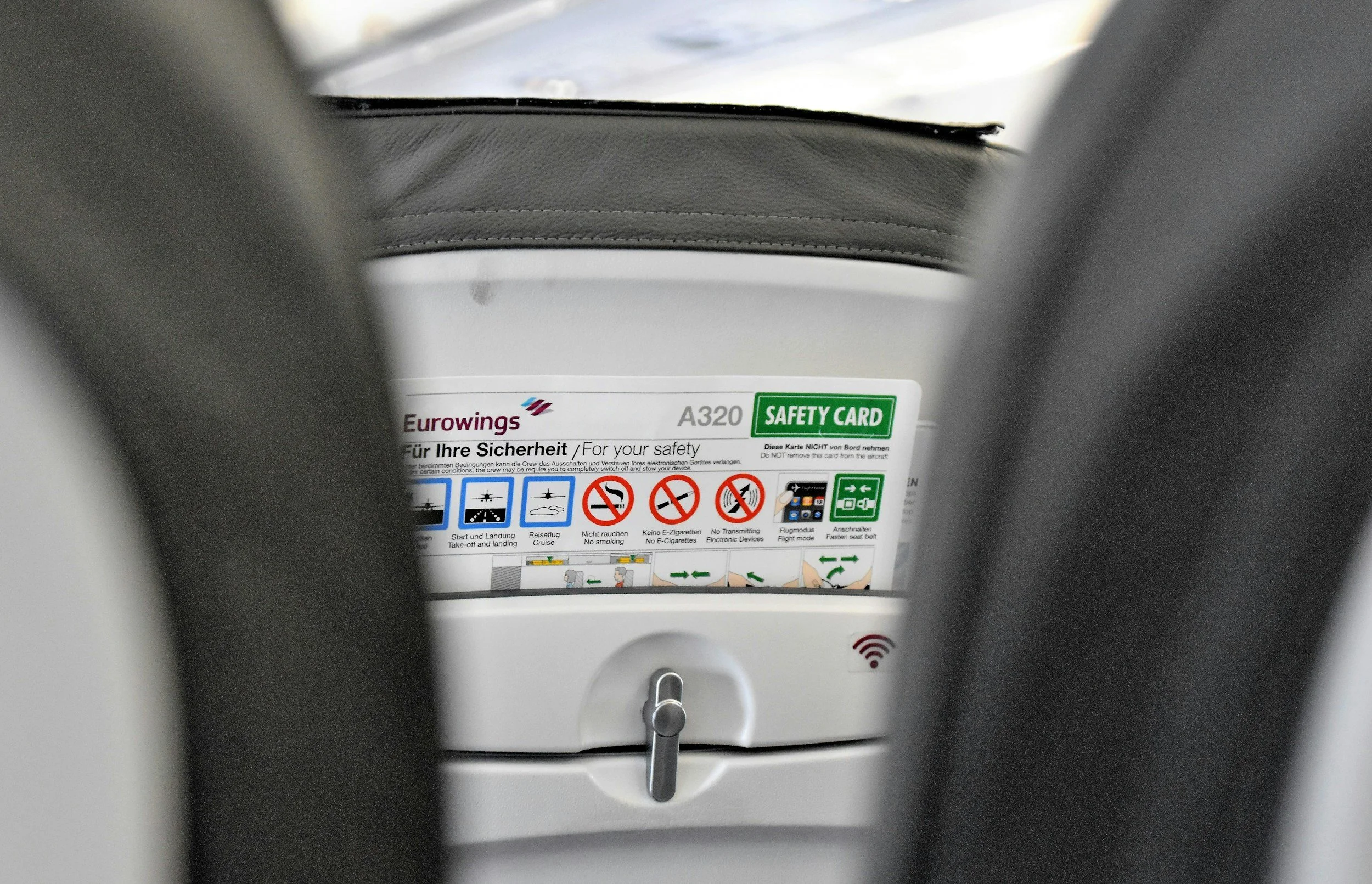
You’d be forgiven for switching off when the in-flight safety briefing starts on your plane. But those announcements are an important part of securing your safety because they can make all the difference in an emergency situation. So, before you put your headphones on and start listening to your favorite podcast, make sure you pay close attention to any travel safety procedures.
The same goes for local travel when you’re abroad. Only choose certified public transport systems and taxi services, while also following the safety advice of local authorities and your faculty leader. There’s nothing worse than getting on the wrong train!
Become familiar with safety procedures
Stick to your itinerary
Staying safe on an FLP is easier when you follow the itinerary provided. It outlines everything you need to know, including all the different site visits, tours, excursions, and learning opportunities that are included as part of your trip, along with key timings and dates. Because of this, there’s less for you to worry about. It’s also easier for faculty leaders to keep track of their students.
The strategy here is to ask for your itinerary at the earliest convenience so you can carefully study it in advance. This will help ease anxiety and improve preparedness.
Pack health and safety essentials
Packing needs vary depending on the FLP. If you’re heading to a tropical destination like Colombia or Brazil, then you’ll need bug spray and sunscreen. However, you might want to pack your protective goggles for a skiing trip in Norway.
That said, there are some health and safety essentials that work for every type of study abroad program.
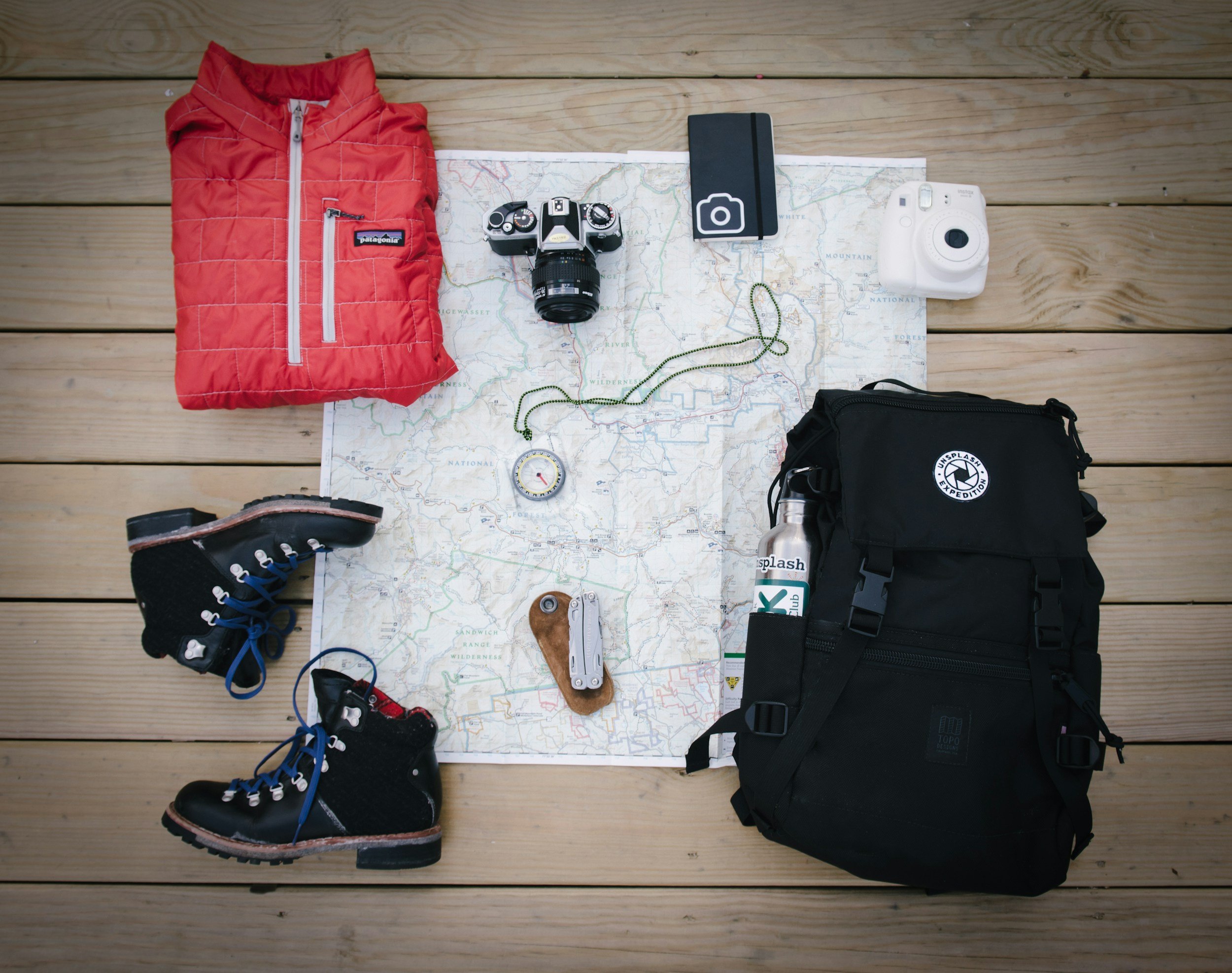
Remember to pack:
Sun protection such as sunscreen, a hat, or a UV umbrella
Sturdy footwear that offers good support for long tours or hikes
A portable first aid kit
Thermals, gloves, a scarf and waterproofs for colder climates
Reusable water bottle for staying hydrated
Prescription medicines
By packing any of the above essentials, you’ll be more adept at staying safe on your FLP. After all, preparedness is key!
Disclose all health needs
If you’re travelling with a disability or need certain accommodations during your FLP, you should disclose this information as soon as possible. Let your faculty leader know about your requirements or any concerns you may have and be clear about what you need, even if it’s just a food intolerance. This will make your trip go a lot smoother.
Get travel insurance
Travel insurance is the ultimate hack to mitigating risks when studying abroad. It covers unexpected medical expenses such as emergency treatment or hospital stays and can also provide protection should you lose or damage any personal items. Reimbursement for cancelled or delayed flights are also included with a lot of different insurance policies, so you’re covered if something doesn’t quite go as planned.
Staying safe on FLP with Learn from Travel
With a faculty-led program, all excursions and tours are fully certified, which means students can focus more on learning instead of worrying about whether or not a site visit is safe. You also have the benefit of expert faculty leaders who are on hand to answer any questions and provide all the necessary information and guidance to ensure your safety. Plus, you’re going with a group, so there’s always somebody around to walk with you to scheduled meetups.
At Learn From Travel, we help with developing a completely bespoke FLP based on education requirements. Every program is designed with meticulous attention to detail, covering a full itinerary with safety considerations being a top priority for every excursion. And because we’re community-based, we’ve already formed strong relationships with unique cultures across Latin America, Europe, North America, and the Caribbean.
To get a good idea of what’s included in our personalized faculty-led programs, view our samples page or learn more about what Learn From Travel has to offer.
