
Preparing Students for Faculty-Led Programs Abroad (FLPs)
/
Clear communication and planning will help prepare students for an FLP
Faculty-led programs (FLPs) are all about learning abroad and cultural exchange, helping to enrich the knowledge of your students. But it’s the job of the faculty to facilitate this process.
When it comes to preparing students for FLPs, you need to make sure they have all the necessary information months prior to take off, including location details, flight times, a detailed itinerary of the trip and packing guidance. With this knowledge, your students will be able to make the most out of any FLP.
From essential travel documents to safety considerations, we’re looking at all the ways you can help your students get ready for a trip of a lifetime! We’ll go into detail about different approaches you can take to preparation and how to be the most effective communicator. That way, you and your students will feel confident about your exciting trip abroad.
Why preparation is so important for faculty-led programs
There’s a lot going on with faculty-led programs. You have extensive travel, multiple site visits, cultural exploration and a wealth of learning opportunities. Plus, you have to manage a group of people with packed schedules and accommodation requirements.
This is why preparing students for FLP is so important. If students are given enough time to get everything in order, such as their travel documents and flights, they’ll feel more confident about the experience and be more likely to engage fully with the program.
And by giving your students all the information they need at the start, you can reduce stress and anxiety significantly. Faculty-leaders should set clear expectations for the trip so that everyone knows what to expect in terms of academic outcomes and practical responsibilities.
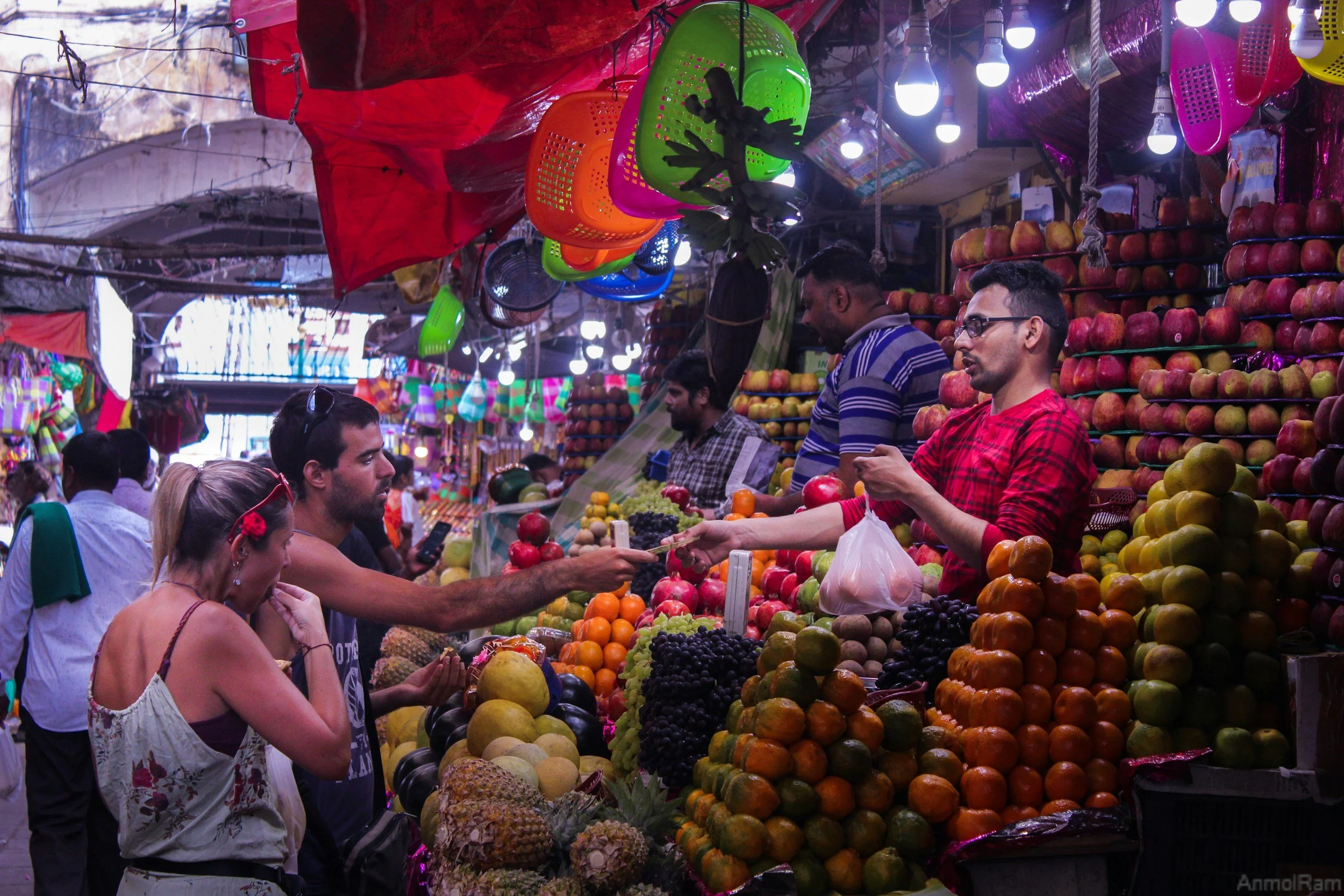
Good preparation leaves more time for cultural exchange
Five steps to preparing students for FLPs
We’ve put together a list of the five best ways to prepare students for FLPs so that your trip is as stress-free as possible:
1. Get a plan together
You need to start with a solid plan for your FLP. There must be a reason why you’ve chosen a specific location, and students want to know how this ties into their learning, so make sure you have this outlined in detail before explaining to your class. Let the students know what they can expect to discover while they’re there and how it will enrich their academic learning.
Flight dates and times should also be shared, so that students can book their own tickets if necessary. And you’ll need a detailed itinerary showcasing all the cultural highlights, site visits, learning opportunities and activities that will take place during your stay. This will help students understand what to expect when they arrive and how to make the most out of each day.
Finally, accommodation and food will need to be taken care of, informing students what will be covered as part of the trip and what they will need to purchase themselves.
Our recommended approach:
Consider partnering with Learn From Travel for your faculty-led program. We can help take care of all of the above for you, working closely with faculty leaders to bring your immersive trip to life. Each one is priced and customized to your learning needs, with bespoke itineraries that focus on meaningful experiences. We even have our own planning framework to help guide your custom program.
2. Check travel documents
Make sure your students know about all the essential travel documents required for the trip.
Visa and entry requirements can trip a lot of tourists up, resulting in them being sent home before they can even leave the airport and nobody wants a wasted trip.
As an example, Brazil’s eVisa is needed for stays up to 90 days and many countries in Latin America need proof of the yellow fever vaccination before you enter the country. Research this information and be sure to share it with your class.
Here’s a list of what your students should check:
Passport expiry dates
Visa requirements
Vaccination requirements
Travel insurance costs and cover
If any of the above require action, make sure your students are proactive and punctual in getting this done, especially since passport updates can take a while! You don’t want anyone to be denied entry or miss the trip because of poor planning.
Our recommended approach:
Give your students a live link to a digital checklist that they can edit themselves, outlining all the important documents that need verifying and updating. Because the document is live, you will be able to see when they’ve checked each item off, so you know which areas need more attention, especially if a deadline is drawing near.
3. Encourage cultural research
Chances are the FLP you’re planning already ties into the academic goals of the students who are attending, so they’ll already have some understanding of the location. But you should still encourage self-led research to gain a better understanding of the culture they’ll be stepping into.
Learning basic phrases from a language app or phrasebook will help improve communication and understanding certain etiquette standards and laws will prevent any unintentional misunderstandings. Plus, it will give a clearer picture of what to expect when interacting with the local culture.
By developing their cultural awareness, students will also expand their learning, gaining more exposure to the unique history of your chosen location, which is the ultimate goal!
Our recommended approach:
Create a detailed list of trusted resources, such as location guides, language apps, historical-based podcasts, and videos that relate to your faculty-led study abroad program. Ask your students to share their findings with the rest of the group to see how they’re getting on and encourage further learning.
4. Packing advice
With a destination and itinerary in place, it should be much easier for your students to understand the packing requirements for the trip. However, you should still be on hand to offer advice on what should and shouldn’t go in their suitcase.
Make sure your students know what weather-appropriate clothing is for your chosen destination and that they pack essential items such as plug adapters and sunscreen. Aside from this, they should also be prepared for each learning activity. Do they need a journal or laptop to take notes or share presentations? Are waterproofs needed for one of the tours?
Here’s a list of some of the most important things your students should bring with them:
Passport and any other travel documents
Climate-specific outfits and footwear
Electronics such as smartphone, tablet, headphones, adapters
Toiletries and personal care items
Prescription medicines
A notebook and pen
Our recommended approach:
Provide a packing checklist that’s tailored specifically to your chosen location. That way students can prepare for the FLP without overpacking or underpacking. You can even use our complete guide to packing for FLPs to help inform your own checklist.
5. Set and reflect on learning achievements
We’ve already established that a huge part of preparing for FLPs is made up of the steps you take before the trip, but there’s some preparation that’s more of an ongoing process. Before going on your faculty-led program, get your students to set their own learning goals, focusing on improving cultural understanding and academic development.
Then, when you’re there, enjoying the sites and expanding your knowledge, try to make time for reflection so that your students can see their progress. Evening workshops and lunch discussions can both help to facilitate these opportunities.
Our recommended approach:
Offer support through prompts and templates that will get your students considering their learning achievements. Encourage journaling and note-taking during each site visit and make time for downtime and reflection during your trip.
How to communicate effectively when preparing students for FLPs
Now that you know what you should be doing to help prepare students for faculty-led programs, it’s time to talk about the how.
Here’s what we’d suggest:
Set expectations early, especially when it comes to participation and behavior.
Emphasize key timeframes around passport renewals and booking flights, as well as any budget requirements.
Book in regular meetings and one-to-ones to discuss the FLP in detail and answer any questions students may have.
Provide students with any necessary resources such as cultural guides and handbooks.
Hold a pre-departure briefing a week before the trip to make sure everything is in order.
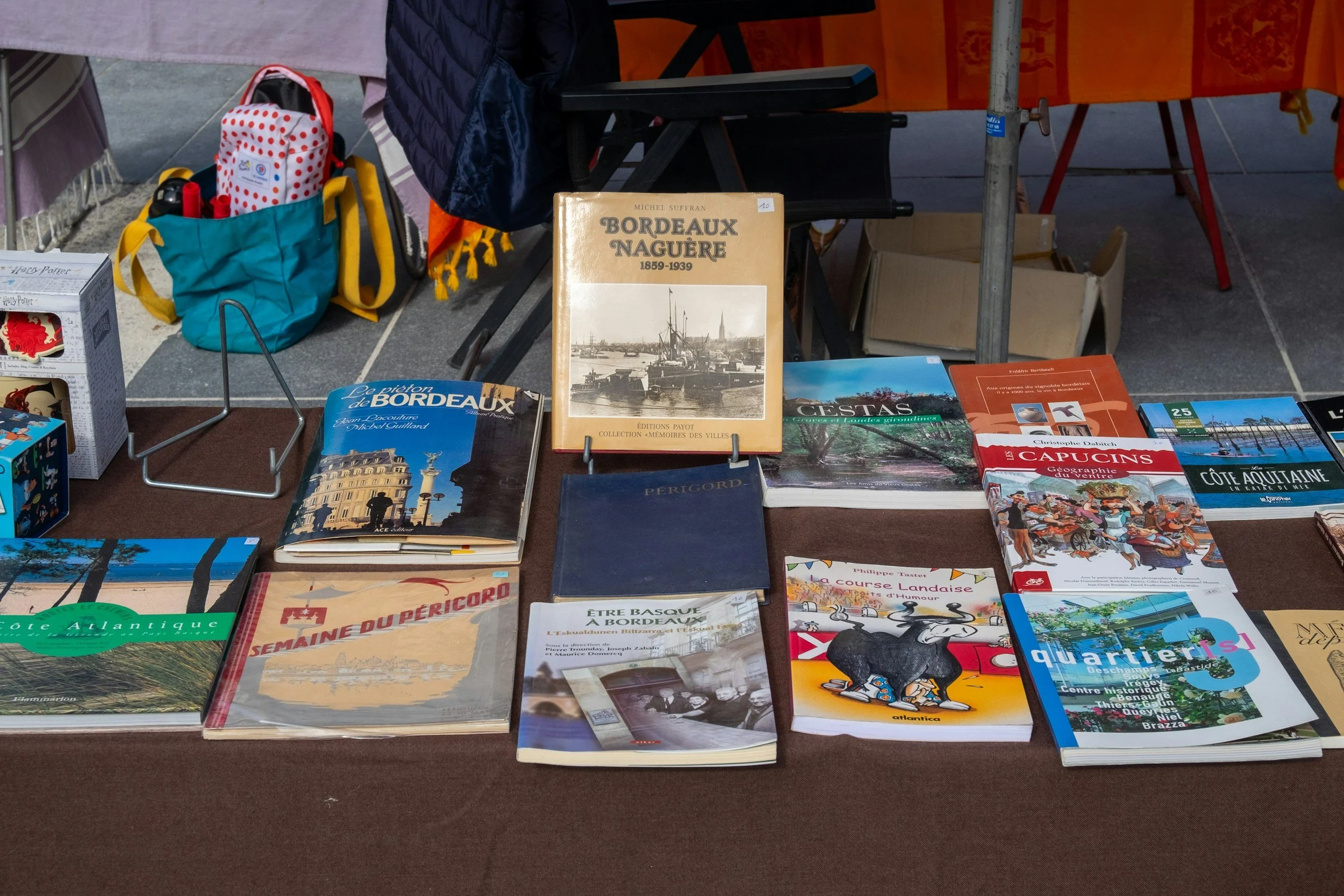
Travel guidebooks can help prepare students for FLP
Getting started with a personalized study abroad program
Developing a well-thought-out FLP takes time and dedication, but it’s worth it if it means your students get to immerse themselves in unique cultures and make a positive impact on the host community.
At Learn From Travel we can help create a bespoke itinerary for any faculty-led program. We cover locations across the Western Hemisphere, including Europe, the United States and Latin America, facilitating the learning needs of any subject and all types of students.
Browse through our sample programs to learn more about how our programs work and highlights from previous trips, or contact us directly to plan your FLP today.
