
Google Cardboard: The Future of Virtual Study Abroad

by Makayla Vasek, Communications Specialist

virtual-reality-headset

virtual reality (noun)

a phrase associated with immersive video games, dollar signs, and complex technology

But, what if virtual reality could also be associated with affordable education? Aside from the entertainment industry, education has been the strongest driver of VR advancement in recent years. With the onset of the pandemic and consequential mass transition to online classes, innovation has only accelerated. Not all advancement, however, involves expensive technology.

Over the past week, I have been exploring the possibilities of Google Cardboard, a VR platform named for its fold-out cardboard viewer into which a smartphone can be inserted. Using free Cardboard-compatible mobile apps and YouTube 360° videos, I’ve spent my days touring museums in Paris, swimming in the Great Barrier Reef, and even visiting the International Space Station; and I’ve returned to tell you this:

Google-Cardboard-headset

Google Cardboard is…

Mobile

The only technology Google Cardboard requires is a smartphone, which means you can navigate the VR world from anywhere. The viewer folds into a 5” x 7” box, making it easy to slip into your backpack between uses.

Easy to Use

Google Cardboard is as easy to use as its name might suggest. To use the platform, I simply ran compatible content on my phone, placed it in the back of the viewer, and viewed the content through the lens. The headset uses single button navigation much like a disposable camera. Beyond that, all it takes is a little old-fashioned physical movement (i.e. turning your head) to explore the streets of a city on the other side of the world.

Affordable

Compared to other brands, Google has provided the most accessible low-cost system as a way of encouraging widespread interest in VR. Instead of monopolizing the product, Google openly sources the building kit to allow individuals and manufacturers alike to create their own. Some manufacturers sell their versions at prices as low as $5, although this review is based on the original $15 Google Cardboard. With resources this cheap, VR is not just for heavily endowed universities anymore. Educators and students from all grade levels and income brackets now have the opportunity to engage in VR-assisted education.

Hands-on

The greatest complaint about online courses is the disconnection students feel from their peers and the course content. Although the physical distance remains, the Google Cardboard platform helps bridge these distances through hands-on experiential learning, making students feel more connected and engaged with the class curriculum.

Distraction-free

The purpose of any VR headset is to mentally insert someone into another reality. The Google Cardboard accomplishes just that, but because it removes students from their computer screens, it also eliminates common distractions like email notifications and social media temptations that often interrupt our Zoom calls and recorded lectures.

3 Challenges Facing Virtual Reality in Education

virtual-reality-tour

While Google Cardboard is available and ready for educational use, there are still some barriers to using virtual reality in education as a whole.

  1. Video Game Perception

    Virtual reality has historically been viewed as a gaming device rather than an educational tool. The VR industry will need to break that preconceived notion in order to convince educators and especially students to see VR as more than just a game.

  2. Limited Content

    Because of VR’s novelty, there is a limit on what video content is available, and with current public safety restrictions set in place, there are many educational sites and museums that cannot be photographed or filmed at this time.

  3. Technology Requirement

Even the affordable Google Cardboard platform still requires a smartphone, leaving students who don’t have regular access to a phone out of the loop.

The Future of Virtual Study Abroad

Learn from Travel is at the forefront of integrating virtual reality into study abroad programs. VR services include the ability to overlay 360° video and photos with educational content such as contextual information, curriculum analysis, and quizzes to create an all-inclusive educational experience. Click here to learn more about how Learn from Travel is using this affordable technology to create priceless VR study abroad experiences.
virtual-reality-classroom

Now that you can safely experience the world from the comfort of your couch, where are you going to travel first with your Google Cardboard?

Consider using these free resources as you begin to navigate the world of educational VR:

Civic Engagement in Latin America

by Makayla Vasek, Communications Specialist

Election season is in full swing in the U.S. as voters line up at the polls and send their mail-in ballots. With bipartisan tensions and media overload, it’s easy to become hyper-focused on national politics and forget where we are positioned in international affairs. As we promote the responsibility of being global citizens, we turn our focus on Latin American politics and how three countries are approaching important elections and policies during a global pandemic.

voting-ballot

Dominican Republic: General Election

Even after a two-month delay, the Dominican Republic was the first nation in the Western Hemisphere to conduct presidential and congressional elections during the pandemic. On July 5, 2020, citizens voted to elect their president, vice-president, 32 senators, and 190 deputies - the first general election in Dominican history in which all authorities were elected simultaneously.

Outgoing President Daniel Medina was barred from running based on term limits, opening the door for a new leader. Despite never having held an elected office, businessman Luis Abinader won the majority vote with his running mate Raquel Pena, bringing the Modern Revolutionary Party (PRM) into power after a 16-year administration under the Dominican Liberation Party (PLD). The PRM also won majority control of the Senate and only came up 6 seats short in the Chamber of Deputies.

President Abinader is inheriting an economy that has faced a steady decline in GDP over the past few years, a condition that has only worsened since the start of the pandemic. Perhaps, their economic predicament is what encouraged citizens to bring a businessman to power. Even with his business expertise, however, Abinader faces a steep uphill climb to reach national financial stability.

Read more about the Dominican power shift and Abinader’s political stances here.

Bolivia: Presidential Election

On October 18, 2020, Luis Arce was elected as Bolivia’s next president in an absolute majority, with 55% of the vote. Despite expectations of backlash from his runner-ups and their political parties, Arce was accepted as the clear winner, a smooth transition of power in a country that is accustomed to violent displacement.

Last November, President Evo Morales, a member of the Movement for Socialism (MAS) party, was ousted from his position of power by a military coup after his election for a fourth term was deemed fraudulent and headed toward authoritarianism. After 14 years of leadership, Morales self-exiled himself to Argentina where he currently resides. The right-leaning Organization of American States (OAS) then selected Jeanine Añez, an opponent of Morales, as interim leader.

Añez has spent her time in power stifling dissent with anti-MAS rhetoric and postponing the election. Without parliamentary pressure and global criticism, it’s likely that the election would have been dissolved altogether. Over the past year, the government has overhauled the electoral tribunal and initiated an education campaign to rebuild trust in its election system. This campaign combined with the working-class’s desire for change resulted in 88% voter participation - the second-highest turnout recorded in Bolivian history.

While there are some fears that President Arce, another MAS member, will continue Morales’s authoritative agenda, Arce has already promised to govern for only his allotted 5 years. As a former economic minister, he is expected to continue Bolivia’s upward economic trajectory despite the impact of the pandemic. With the world’s third-highest per-capita death rate from COVID-19, however, Bolivia is in a dire situation with few healthcare resources. How Arce chooses to lead will set a precedent for Bolivia’s economy, future democracy, and national health.

Read more about what to expect from Arce’s presidency here.

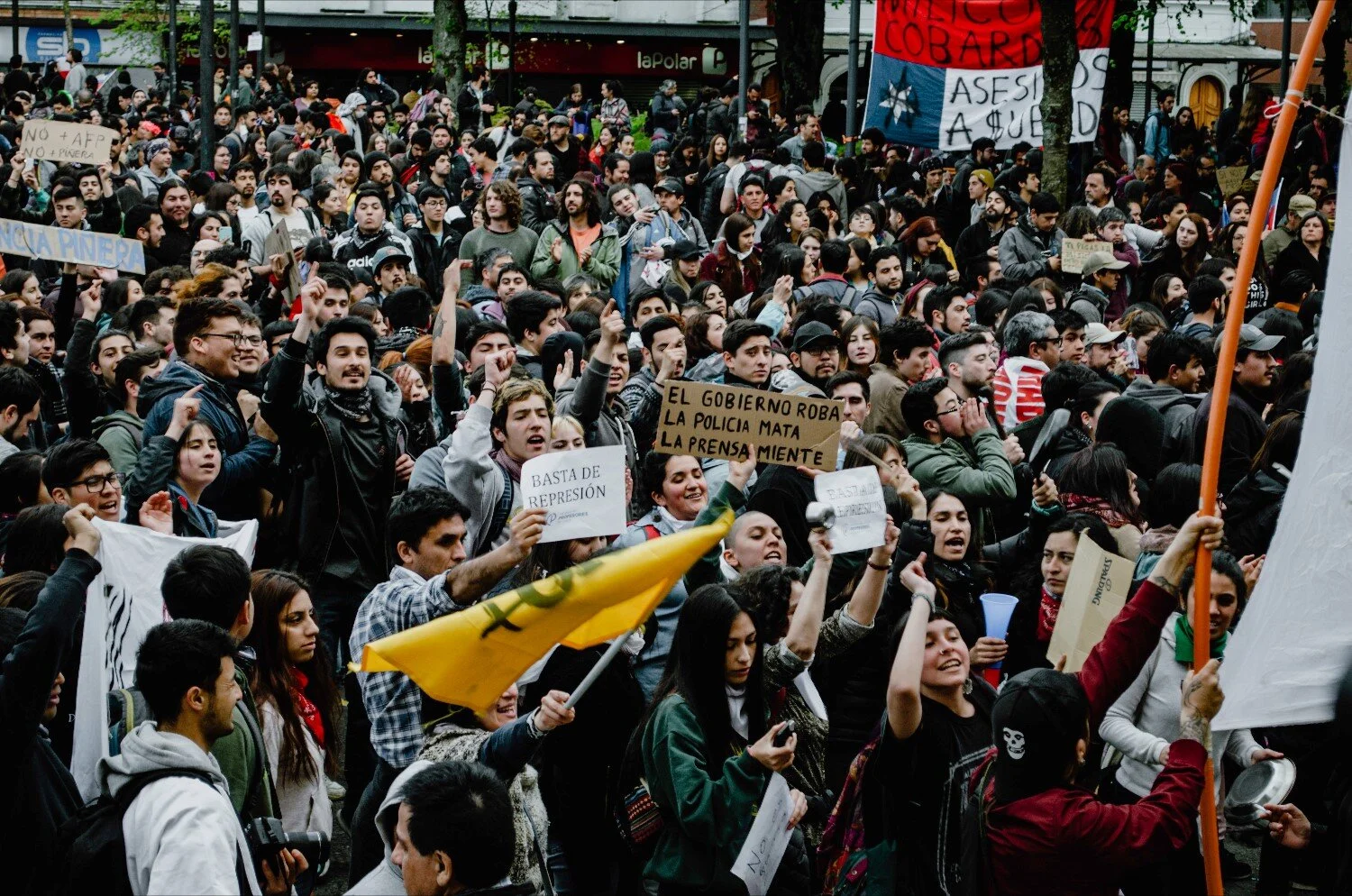
Political protest in Chile, 2019

Political protest in Chile, 2019

Chile: Constitutional Referendum

Since its infamous dictatorship under Augusto Pinochet, Chile has been governed under a 40-year-old constitution that many citizens consider inherently corrupt in relation to their current ideals as a representative democratic republic. Responding to a number of organized protests, the nation voted in favor of a constitutional referendum on October 25, 2020, that will call for a constitutional assembly in April 2021. The majority of citizens who voted in favor of the referendum expressed their preference that the new constitution authors should be elected by citizens and composed of 50% men and 50% women. 

Almost 30 years after the fall of Pinochet, Chilean citizens expressed their discontent with the repercussions of income equality during a number of public demonstrations in October of 2019. Over the past decade, Chile has been one of the fastest-growing economies in Latin America, but as the money rolls in, the resultant income disparity only grows. Since last October, Chileans have continued to voice their opinions on political corruption, moving the government to organize this referendum. 

Some view the rewrite as a symbolic way to finally eliminate Pinochet - a man known for his disregard of human rights but who was never officially convicted for his crimes - from their current government system. Others hope this will be a productive result of the “social explosion” that erupted last October and has projected Chile into a constant state of protest. In either case, the writing of an entirely new constitution will take time and come with unexpected challenges that will be important to watch.

Read more about the national and global significance of Chile’s vote on constitutional referendum here.

Practicing Global Citizenship

We are seeing people practice their citizen rights through civic engagement around the world. In the U.S., we anticipate our own opportunity to vote, but what happens after election day? We can practice our global citizenship by not only partaking in our own elections but also actively paying attention to foreign politics.

Learn from Travel’s faculty-led programs and virtual study abroad experiences allow professors and students to understand these politics and policies on a deeper level by immersing themselves in another country’s political culture. As we see even among these three nations, leadership and power struggles are constantly shifting, and it’s important that we understand these differences in order to effectively initiate international education and cross-cultural collaboration.

flags-bolivia-salt-plains

Virtual Learning: The Good, The Bad, and The Innovative

by Makayla Vasek, Communications Specialist

It has been over six months since universities across the U.S. released their faculty and students for the longest spring break in history. Although virtual learning is not a new concept, the COVID-19 pandemic demanded a global transition to online learning as a necessity rather than an option. This connection gives virtual learning a negative connotation when in many ways online courses are breaking education barriers and improving accessibility. So here, I want to reflect on the failures and successes of virtual learning that I’ve personally witnessed during this transitional time in education.

4 Challenges of Virtual Learning

A year ago, I was a sophomore college student running (literally) between classes, student organization meetings, and work shifts while trying to maintain a regular sleeping schedule and some semblance of a social life. Today, like students around the world, I continue to do all those things from the comfort of my home, or rather the discomfort of my computer screen. Classes are online. Work is online. Even many social events are hosted online. I try to remind myself that at least this remote format removes travel time from my schedule, but virtual learning introduces its own challenges. From my experience and the concerns of my peers, I’ve found four major costs of virtual learning that are discouraging for both faculty and students.

  1. Loss of Routine

    Students and professionals alike are dependent on school and work schedules to tell them when to wake up in the morning, when to eat, and when to go to sleep at night. Without the need to be anywhere physically, we can now wake up ten minutes before our first online commitment of the day. While I’ve never been one to complain about an extra hour of sleep, a lack of routine is not sustainable and gradually leads to more skipped classes and a general lack of motivation.

  2. Screen Fatigue

    If you log off your computer for the day with dry, stinging eyes, a headache, or feeling mentally drained, you could be experiencing screen fatigue. This exhaustion often prevents people from doing anything physically stimulating after the workday is done, creating an unhealthy cycle of overused mental capacity and neglected physical fitness.

  3. Decreased Attention Spans

    These days our computers hold all of our responsibilities in one place. At any given point, I have 3-5 tabs open on my laptop as I respond to emails, watch recorded lectures, monitor group chats, write essays, etc. Sitting in front of a computer with no one but ourselves to keep us accountable, we practice multitasking and passive listening, which means in many cases, we are working less efficiently and exhausting ourselves faster.

  4. Lack of Socialization

Before everything turned virtual, our days were broken up with a greeting from a coworker, lunch with a colleague, or class with a friend. Now, those little moments of relationship are much more difficult to simulate virtually. If we don’t actively seek out those moments of social interaction, virtual learning becomes a very lonely pastime.

But students, professors, and study abroad administrators aren’t just adapting to virtual formats anymore; they are creating innovative experiences. The pandemic has not slowed down education or even eliminated study abroad options. It has simply changed our approach. In the face of adversity, we are learning how to advance our education and make meaningful connections through video calls, group chats, and online collaboration platforms. This era of technology and global connectivity is paving the way for new opportunities.

4 Steps to Create a Rewarding Virtual Experience

Through my involvement in online courses, attendance at virtual conferences and webinars, and participation in a virtual study abroad program, I’ve identified four crucial steps that distinguish a successful and enjoyable virtual experience from those that fall short and are easily forgotten.

Step #1: Establish Goals

In a virtual format, it is easier to become disengaged and even skip meetings that may seem unnecessary or lengthy. So, every interaction needs an end goal whether it is as simple as getting to know your team or as complex as presenting a project. Every assignment should similarly be purposeful; assigning “busy work” is no longer an appropriate option for professors.

Formerly, college courses disclosed a syllabus to students giving them a fluid outline of what the semester would hold. Today, virtual experiences should build on that foundation by including itineraries and calendar deadlines that set explicit expectations, identify a purpose, and encourage self-routine.

setting-goals

Step #2: Encourage Open Communication

Because we can’t turn to the person next to us or walk down the hall for office hours in a  virtual setting, constant, open communication is more important than ever. Email, text, phone call, video chat… We have all the technology at our fingertips, but many people become so caught up in the idea of inconveniencing each other that they never send the message, when in reality we are all desperate for communication and connection.

Regular “Face-to-Face” Meetings

Asynchronous virtual experiences are not nearly as engaging or welcoming as programs that meet “face-to-face” in some format. Video calls allow for live demonstrations as well as unscripted conversations, encouraging participants to ask questions and share ideas.

Asynchronous Group Discussion

It is also important to encourage informal conversations in which students and colleagues can ask questions and exchange solutions between scheduled meetings. Within the U.S., GroupMe and Slack are popular platforms for group discussion while WhatsApp adds video call capabilities for international groups.

group chat.jpg

Step #3: Foster Relationships

The biggest advantage that virtual learning offers is the ability to bring together students, academics, and industry leaders from across the nation and around the world. But, it is not enough to crowd them all into one video call. Speaking to a group of 30+ strangers through a computer screen can be very intimidating. In order to create an environment of relationship building, virtual experiences should implement small teams, mentorship programs, and/or one-on-one conversations.

team meeting.jpg

Our virtual format also allows us to form unique external relationships:

Cross-organizational Relationships

Action: Partner with other faculty and students within your university or with local organizations.

Example: Bring in a guest speaker from a local company that specializes in the industry your virtual experience explores.

Advantages:

  • Industry insight

  • Local networking

Cross-institutional Relationships

Action: Partner with other universities and external study abroad providers.

Example: Institute language practice partners among students from two different universities.

Advantages:

  • Resource exchange

  • National networking

Cross-cultural Relationships

Action: Partner with academics and industry leaders in other countries.

Example: Add a virtual study abroad component to your virtual experience using resources and connections from your university’s global office or from a study abroad provider.

Advantages:

  • Cultural insight

  • Global collaboration

  • International networking

Learn from Travel helps create these relationships by matching people and institutions across borders. Our virtual study abroad mission is to facilitate conversations and projects that accommodate the interests of students, faculty, and their international collaborators. Discover the various ways we cultivate virtual global connections.

Learn from Travel founder, Roman Yavich, and local cut-flower farmer in Colombia

Learn from Travel founder, Roman Yavich, and local cut-flower farmer in Colombia

Step #4: Recognize Our Humanity

We are not robots. Sure, our computers only need a power source to operate hour upon hour, day after day, but we as humans are not built for that. Cater your virtual experience to the participants by regularly asking for feedback and experimenting with different lecture, meeting, or assignment formats. Prioritize mental health as highly as academic health to create an engaging and memorable experience. Remember that if you need a break, your students and colleagues probably need one just as much.

International Education Innovation

While virtual learning has altered in-residence courses in both negative and positive ways, it has become an invaluable asset to the mission of internationalizing education. Although most students are grounded in their home countries, virtual study abroad has proven to be a success in connecting students and academics from across the globe while giving them experience with navigating different time zones and breaking language barriers with little to no nonverbal cues - skills that are rarely taught in school.

Currently, I am working on a virtual team with students from the U.S., Italy, and Portugal, addressing a global issue. In many ways, this cross-cultural project has encouraged me to do my own research on the countries in which my teammates reside in order to understand their backgrounds and national challenges. What I’m realizing is that virtual study abroad is more culturally immersive than expected, because when you put two people from different cultures in the same room (or Zoom break-out room), they do not just exchange ideas, but they share their reasoning behind those ideas which often provides a glimpse of the cultural norms in which they were raised.

The power of globalization may be to blame for the quick spread of the pandemic, but it has also brought world leaders together in promoting global safety and academics together in improving our global education.

global connectivity.jpg

How Do We Increase Diversity in Study Abroad?

by Sabrina Thill, Customer Relationship Specialist

Students from the Multicultural Business Program at Cal Poly’s Orfalea College of Business on a faculty-led program in colombia in 2018

Students from the Multicultural Business Program at Cal Poly’s Orfalea College of Business on a faculty-led program in colombia in 2018

Equitable representation of minority groups has become one of the most pressing topics in our society. The situation is no different in international education. As of 2018, white students represented 70% of U.S. study abroad participation, while making up only 56% of the college population. Furthermore, 67% of study abroad participants were female, and participation among men has been diminishing at a greater rate each year.

The challenge of diversifying study abroad has been a pressing topic of discussion in recent years. In fact, in a survey of U.S. institutions and program providers, 80% of participants considered the need to diversify study abroad as high; however, only 30% of those same respondents reported that changing policies and processes to improve access to education abroad was an important part of their action plans. As part of a summer internship with Learn from Travel, my colleague and I spoke to study abroad office advisors at six U.S. universities to understand this disconnect and to identify a strategy for increasing diversity. 

Why is Diversity Abroad Important

diversity-study-abroad

It is important to ensure that all students have an equal opportunity to study abroad. By not participating in this quintessential college experience, underrepresented students miss out on its benefits such as enhanced cultural awareness, learning outside of the comfort zone, long term friendships, international connections, and increased global engagement. 

In terms of career-related benefits, learning a new language and communicating in a foreign culture helps many students improve their communication skills. By simply learning to thrive in a challenging new environment, students overcome a major challenge that can prepare them for similar challenging situations at a new job. Study abroad builds confidence and develops critical thinking and “street smarts”, something students can’t always learn in a classroom. Navigating international transportation, foreign currency, and unfamiliar cultural practices are all examples of this. A much larger percentage of jobs are international now than even a decade before. Study abroad ensure that students are not only global citizens but are prepared for careers in a globalized world.

Challenges to Increasing Diversity in Study Abroad

One study abroad professional we interviewed, Thomas Carter, the Director of International Education at SUNY ESF, said that diversity in study abroad is something many universities continue to struggle with. He finds that the most significant obstacle is money. Financial resources are needed when it comes to increasing diversity. 

The long-term programs that take place during the semester can be extremely expensive. While short-term faculty-led programs are not nearly as much, they are typically held during school breaks, which is when a lot of students work to make extra money before returning to school. Added to the cost of a program is the lost income from work, which makes choosing to travel difficult. Furthermore, students who work during the semester lack the time for scholarship applications and fundraising.

We found that universities also struggle to convince parents of underrepresented students. Many simply do not like the idea of their child in a foreign country. Expenses also make parents more hesitant on allowing their child to study abroad

Recommendations Based on Research 

Reach out to diverse college groups 

Heather Thompson, the director of education abroad at the University of Texas at Austin explained that they find the most success in attracting diverse students by promoting programs through first-generation student organizations. International education staff can easily approach a variety of minority organizations on campus, especially if they can provide some of the additional support listed below.

Engage diverse local partners 

Arthur Joyce, a professor at the University of Colorado at Boulder, engages a diverse group of host country collaborators and organizes excursions to diverse regions of the host country. This inherently attracts students from diverse backgrounds. 

Host pre-departure information workshops 

Maria Korol, a professor at Agnes Scott College, mentioned that her university hosts workshops for “traveling while Black, traveling while Muslim, traveling while gay, etc.” These workshops help students and their parents feel more comfortable and confident about traveling. 

These modules may help students feel more comfortable and confident about traveling. Workshops may also provide students with helpful information and tools in order to speak to their parents which can also help increase enrollment.

Work with third-party providers that can help

There are a variety of ways study abroad providers can help increase diversity abroad. Working with a company such as Learn From Travel can help universities take the necessary actions to improve access to education abroad. Learn from Travel is able to work closely with each university in order to determine the right plan of action, ensuring all students are given the opportunity of a lifetime to study abroad. 

Students from the Multicultural Business Program at Cal Poly’s Orfalea College of Business on a  faculty-led program in colombia in 2018

Students from the Multicultural Business Program at Cal Poly’s Orfalea College of Business on a faculty-led program in colombia in 2018

Provide diversity scholarships

In 2018, Learn from Travel hosted a program in Colombia where some of the students received scholarships for participation from the Multicultural Business Program at the Cal Poly Business School.

Create a financial resources web page

During our interviews with students, we found the need for a web page that connects them to third-party resources that could help finance their study abroad trips. Creating a web page to connect students to available financial resources can greatly increase their ability to study abroad.

Promote short-term programs 

Because cost is a major hurdle to diversity in study abroad, the most affordable programs may be the key. These are short-term (one- to six-week programs) led by a faculty member and often facilitated by a third-party provider. Due to their intensive nature, these programs offer many of the same benefits as semester-long study abroad, at a fraction of the cost. 

Build interest through virtual programs

While virtual programs are not the same as travel, they can help faculty internationalize a class curriculum and begin to develop an interest in international travel among the students. Virtual programs are also much more affordable and accessible for students of all backgrounds. 

Moving Forward with Diversity in Study Abroad

Although minority representation in study abroad has slightly increased over the previous decade, there was little to no increase between 2015 and 2018. Many international education professionals agree the need to diversify study abroad is high, however, not enough have taken action to improve access to education abroad. For faculty and international education staff interested in receiving support with diversifying participation in study abroad, we encourage working together with a third-party provider, such as Learn From Travel, for short-term programs and virtual programs.

Community-based Study Abroad Takes Students Off the Beaten Path

by Makayla Vasek, Communications Specialist

To study abroad is to choose to be educated by another culture, not just in another culture.

One professor at the University of Texas at Austin, however, pointed out that this is not a nationally shared perspective. In an interview this summer with Orlando Kelm, a well-traveled professor and faculty leader for several previous study abroad trips, I inquired about his experience with creating new programs. Noting the importance of selecting a suitable study abroad provider, Kelm stated, “One of the mistakes that American programs in general make is to micromanage and insist we do things the ‘American’ way instead of trusting the provider...and [letting] our in-country partners do it their way to get the full cultural experience.”

As Professor Kelm indicates, international education, global collaboration, and cultural immersion are limited unless foreign educators are viewed as colleagues rather than study abroad aids. The solution? Community-based study abroad.

A Foundation of Community-based Learning

Our founder, Roman Yavich, recognized the value of learning from another culture early in his career during his research on sustainable tourism in Nicaragua. His experience working with the Nuevo Amanecer women’s cooperative in a small rural town called Sontule inspired Roman to mimic their foundational framework of community-based learning and create Learn from Travel.

Community-based learning is a strategy of allowing cultural immersion and community engagement to be natural educators during a student’s experience abroad. This strategy is based on a mutually beneficial relationship between faculty leaders, students, and the host community. In this relationship, the hosts share their knowledge on topics such as community structure, cultural tradition, and local industry, while instructors and students, in turn, provide a service or monetary compensation.

Read more about Learn from Travel’s founding on our website.

3 Ways Learn from Travel Integrates Community-based Learning

1. Rural Destinations

visit-a-rural-community

Unlike its larger competitors, Learn from Travel does not send students to popular capital city destinations. Instead, students take the road less traveled to engage with rural communities. These communities offer more authentic interaction with a culture because they often remain outside the influence of globalization. Students also have a greater opportunity to make meaningful connections with community members that will outlast the length of the program. Previous program destinations have included La Miel, Panama, and Santa Elena, Colombia, among others.

homestay-family-meal

2. Homestay Living

Learn from Travel participants reside with local families in homestays - a stark difference from the dorm and apartment living they have become accustomed to in the U.S. Living alongside locals familiarizes students with the day-to-day proceedings of a culture as they engage in traditional meals, daily conversations, and even weekly house chores with their hosts. This intimate environment also inherently introduces students to a culture’s familial structure, roles, and expectations.

guided-nature-hike

3. In-country Guides

Rather than expect U.S. faculty leaders to become experts on a given culture before departure, Learn from Travel places the responsibility of primary educator on in-country guides who live within the destination community full time. This strategy both alleviates pressure on faculty leaders as well as maximizes learning opportunities abroad as the trained guides introduce students to a culture through the eyes of a local.

For more information on the qualifications and favorite pastimes of our in-country guides, read their bios here.

Benefits of Traveling to Rural Communities

Program Affordability

Travel and food expenses in rural communities are lower than in larger, populated cities. By living in homestays, housing costs are also greatly reduced from that of university dorm or hotel room use.

Cultural Authenticity

Intimate community interaction gives students a sense of how the people of a country really live. Residing in rural communities also introduces students to authentic foods and traditions that they might otherwise miss in a globalized city.

Economic Sustainability

By employing rural communities, whether monetarily or through an exchange of services, Learn from Travel contributes to the economic viability of host communities and promotes entrepreneurship among hosts and students.

Community-based Study Abroad in Colombia

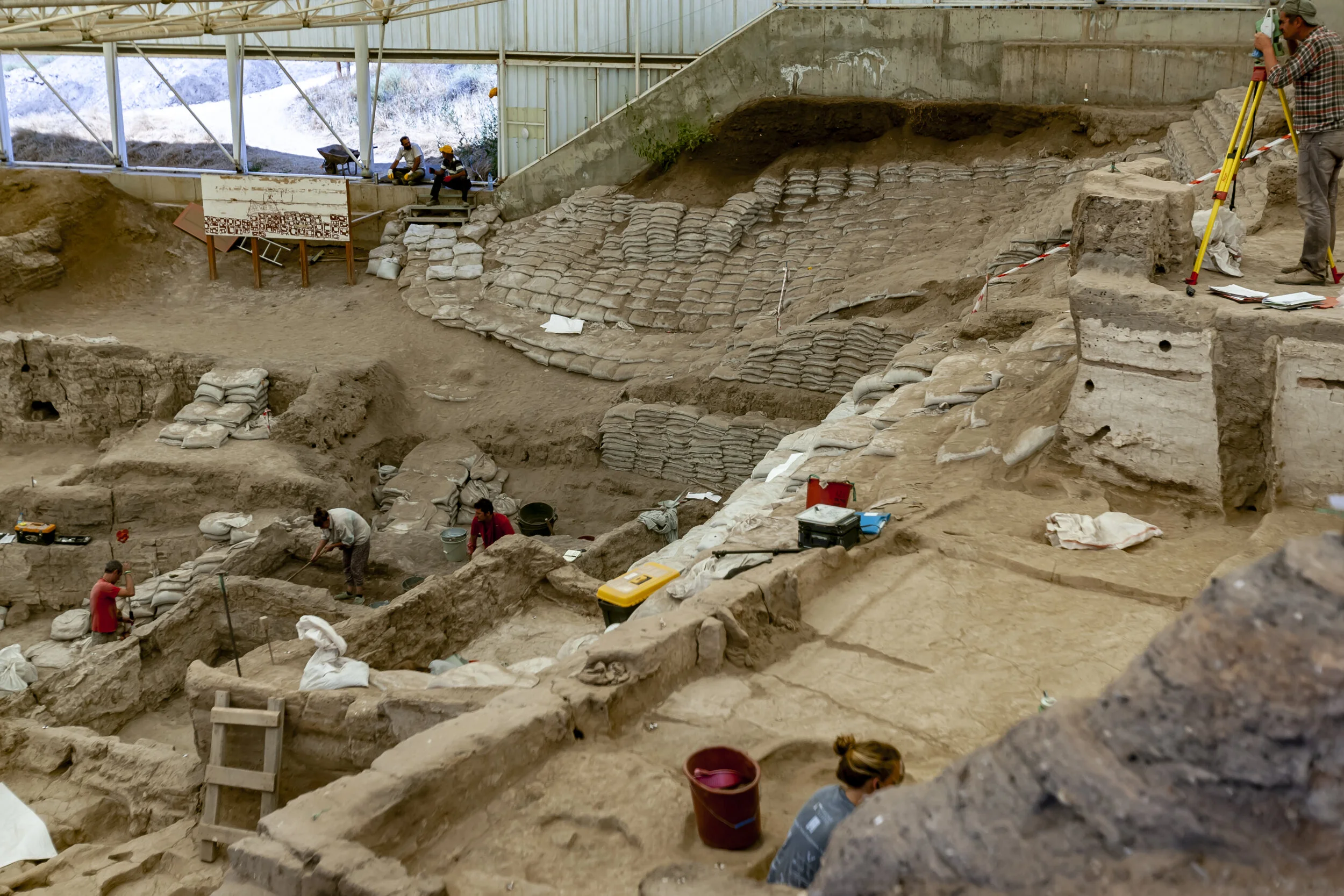
A previous Learn from Travel trip took a group of students from California Polytechnic State University to Colombia on a program entitled The Business of Flowers in Colombia. Catering to the instructors’ and students’ interest in international business, this program was designed to analyze the supply chain management of Colombia’s second most important agricultural commodity: cut flowers (second only to coffee). Instead of seating students in a large lecture hall with Colombian business students, however, our program centered participants in the flower field with a rural farm owner.

students-with-Colombian-flower-farmer

Students witnessed first-hand the flower-production process from seed growth to marketplace consumption by…

  • visiting a hydrangea farm in Medellin, Colombia.

  • watching a local family demonstration of bouquet arrangement.

  • walking through the city’s daily flower market.

  • speaking with an exporter about the logistics of cut flower exporting.

  • and hearing from governmental agencies and nonprofit organizations dedicated to regulating and protecting the cut flower industry.

experiential-learning-at-hydrangea-farm

Justin Gomez, a faculty leader of the group, described the program as “a unique travel learning experience...that felt warm, authentic and respectful. We went off the beaten path and learned first hand from small farmers and entrepreneurs.”

Community-based Learning = Long-term Education

Community-based learning is an investment in a student’s long-term education. It provides experiences that cannot be replicated in a classroom. It involves academic, cultural, and social learning. And it doesn’t teach to an exam. The experiences students engage in through community-based study abroad extend far beyond their college careers, making them more adaptable and culturally aware in their remaining studies, future careers, and social lives. These are lessons that a textbook simply can’t teach.

Ultimately, to study abroad is to recognize the limitations of your own country’s education methods and seek further learning from the expertise of others.

Why Teach Short-term Study Abroad?

by Makayla Vasek, Summer 2020 Marketing Intern

Over the course of the summer, I had the opportunity to speak to several college professors who have or are planning to lead a short-term study abroad program. Leading a study abroad program is no small task and often requires months of logistical planning with little monetary reward, so when I asked professors why they choose to teach abroad, I received a variety of responses:

The Travelers

The majority of interview respondents referenced their own travel experiences during their college and/or professional careers. These professors recognize the value of cultural immersion and want to share that opportunity with their students.

study-abroad-travel

“I like to consider myself a global citizen. I have taught on four different continents. I am personally very inclined to link practice in the global context. And it makes a huge difference when you let students go beyond the classroom in the global scene.” - Ahmed Deif, Professor of Operation and Supply Chain Management at California Polytechnic State University

“I studied abroad in Puebla when I was in school, and I think it’s important for students to learn to adapt to changing circumstances like I did.” - Greg Heinzman, Lecturer for University Foundations Program at Boise State University

The Researchers

Another segment of professors are drawn to teach abroad based on their own research in specific geographic regions. Taking students to field sites and world landmarks gives them the opportunity to see the physical manifestation of theoretical classroom concepts. Oftentimes, through partnerships with foreign institutions, these professors and their students are also able to access world-renowned facilities that don’t exist on their own campuses.

study-abroad-field-work

“In the geosciences, field work is fundamental to our work. It is less of a luxury and more of a necessity for our students. So, teaching abroad is really a built in aspect of being a professor for me.” - Brian Horton, Professor of Geological Sciences at the University of Texas at Austin

“In the earliest of years, it was part of my research, and the students engaged in my research. What motivated me to teach abroad was my own field of expertise with Mesoamerica and specifically Mayan culture.” - Fred Valdez, Professor of Anthropology at the University of Texas at Austin

The Newcomers

Then there are the professors who simply find themselves in the right place at the right time to lead a program abroad. Whether due to job expectations or a direct inquiry from the campus study abroad office, these professors may not have the initial inclination to teach abroad but jump on the opportunity when provided the right tools.

“Our department had a program that needed a faculty member to take over for a year and my circumstances allowed me to do so; I also enjoy Mexico City and was happy to spend the summer there.” - Julie Minich, Professor of English, Mexican American and Latino/a Studies at the University of Texas at Austin

Ultimately, there is no one personality that defines a qualified faculty leader for study abroad. Any professor with an adventurous spirit can teach abroad when provided the necessary support and resources.

What Professors Enjoy Most About Faculty-led Study Abroad

I then inquired about what professors enjoy most about teaching abroad and what motivates them to continue leading short-term programs. Most responses were linked to the desire to cultivate cultural interactions between host communities and college students, many of whom have never left the U.S.

“It makes me really excited when people change their minds, their abilities, what they think about themselves, and their preconceived opinions of other countries.” - Ara Pachmayer, Professor of Kinesiology at Humboldt State University

“When you take students abroad, you get reminded of what you thought was cool years ago but had forgotten about. That happens with the food they are eating or a museum they go to. You are seeing your experience be re-lived through the eyes of other people.” - Orlando Kelm, Professor of Marketing, Spanish and Portuguese at the University of Texas at Austin

Trends in Short-term Study Abroad

According to Forum on Education Abroad’s State of the Field Survey, 65% of all undergraduate study abroad programs were eight weeks or less in 2017, demonstrating a national relative popularity in short-term study abroad that continues to grow each year. Based on this research and my own conversations with students who have traveled on faculty-led programs, I found that students often prefer to stay on campus during the regular semester and reserve summer breaks for internships and part-time jobs. The flexibility of short-term study abroad accommodates alternative break programs during winter and spring recesses as well as capstone course travel. I also learned that students prefer to travel with faculty who they already know and respect. Because most faculty-led programs are short-term, this could explain the growing popularity in short-term study abroad.

In response, many study abroad offices are creating more short-term faculty-led programs to increase participation.

short-term-study-abroad-in-Denmark

Maymester Model for Short-term Study Abroad

The University of Texas at Austin formulated the Maymester study abroad program to cater to the interests of faculty and students. A Maymester program convenes for four weeks at the end of the spring semester, leaving the remainder of the summer open for professor research, student internships, and summer classes. In addition, the Maymester programs are considered part of the spring course load, allowing students to easily apply their financial aid packages and receive academic credit.

MBA-study-abroad-in-China

MBA Programs for Short-term Study Abroad

As reported by the Institute of International Education, graduate students are more likely to participate in short-term study abroad than undergraduates. Among graduate students, business is the top field, representing 34% of the graduate study abroad population. From this interest was born the 2-week MBA study abroad program that has been adopted by several business schools and study abroad providers across the country.

These are just two models of shorter term study abroad that allow faculty ample opportunity to get involved in teaching abroad without committing to a full semester term. They also allow for a high degree of flexibility when planning programs and integrating them into existing or new curriculum taught on the home campus, or remotely.

3 Short-term Study Abroad Challenges

In spite of the growing popularity of short-term study abroad programs and the high degree of interest among faculty, a number of challenges persist for increasing participation. 

  1. Limited Cultural Immersion

    A shorter in-country experience directly relates to less time to explore the host culture. For language-learning programs especially, short-term study abroad may not provide the necessary learning environment. Offering pre-departure modules that introduce students to cultural norms and regional dialects prior to travel can help overcome this challenge.

  2. Academic Credit Transferability

    Less time for in-country learning makes it difficult to ensure academic credit for students. This problem is often solved by creating a hybrid program that combines on-campus classroom learning with short-term travel.

  3. Home Responsibilities

    Even short-term travel requires professors and students to leave behind important responsibilities in the U.S. such as jobs and family care. Unless they have access to resources that alleviate these stressors, they will likely turn down any form of study abroad travel. As technology advances, virtual study abroad programs are being developed to offer similar cultural experiences to those who can’t afford to leave the country for an extended period of time.

3 Short-term Study Abroad Advantages

  1. Lower Costs/Reduced Time Commitment

    Short-term programs require less travel and living expenses which in turn lowers program costs. The reduced time commitment out of country is also appealing for professors and students who cannot leave behind on-campus responsibilities for long periods of time.

  2. Customized Courses

    Short-term programs cater to strict degree plans by giving professors the opportunity to create a program based on a specific course syllabus. For fields of study like engineering and architecture, this is critical for making study abroad more accessible to students.

  3. Low-risk Introduction to Travel

    Many faculty and students are intimidated by the prospect of leaving the comforts of home to study abroad. Short-term programs give both groups the opportunity to test the waters of world travel and may even encourage them to travel more in the future.

The Short-term Study Abroad Lifestyle

I’ve come to learn that most professors don’t just teach one program abroad; teaching abroad becomes part of their permanent job as they are drawn to teach recurring and new programs each year.  Whether faculty are seeking cultural experiences, international research collaboration, or just the opportunity to grow closer with their students, short-term study abroad could be their next career move. As short-term programs grow in popularity and participation barriers are resolved, some professors might even be expected to adopt this innovative teaching lifestyle. So, why not start planning a program now?

flying-to-study-abroad

For more information on Learn from Travel’s faculty-led short-term programs, please visit our study abroad page.

Studying Abroad During a Pandemic

by Makayla Vasek, Summer 2020 Marketing Intern

Canceled Study Abroad Plans

“All 2020 study abroad programs canceled” are the words I see headlining university newspapers across the country. How long will it be before my university releases a similar statement? As campus administrators respond to the COVID-19 pandemic, I’ve been told that student safety is a top priority, but the consequences of canceled and postponed study abroad programs extend far beyond canceled flights. My study abroad planning started two years ago, the moment I stepped foot on my university campus. During this time, I have been arranging travel plans, completing health physicals, and applying for scholarships. Now, like many other students and faculty, I find myself back at square one.

I waited as long as I could before making the decision, keeping hope in a fast global recovery. With coronavirus cases spiking in the U.S. and only two months remaining before my departure for Costa Rica, however, I deferred my fall program application, canceled my flight, and began the stressful process of rearranging my college degree plan. Not to mention that I had no place to live for the 2020 Fall semester. I consider myself lucky to have two more years of college left to satisfy my study abroad ambitions. For senior students, study abroad has likely been removed from the table entirely.

The Rise of Virtual Classrooms

My passion for international education led me to work as a remote intern with Learn from Travel this summer. In this role, I’ve learned that universities are attempting to supplement these lost programs by turning to the resources of study abroad providers, who are developing virtual classrooms overnight. “Virtual” and “study abroad” might sound like opposing ideas, but canceled programs and low enrollment are motivating providers to imagine a new reality for study abroad. Suddenly, phrases such as virtual internships and virtual study abroad are becoming a regular part of my conversations with other students and professors.

When my study abroad advisor emailed me a virtual program brochure in response to my deferral request, I was initially unimpressed, but thought I might as well log on to the listed information session to see what this was all about. In one hour-long video call, my eyes were opened to the possibilities of virtual study abroad and the opportunity of growing my own global network even as I was isolating at home.

virtual study abroad technology

Virtual Learning vs. Remote Learning

But what is virtual learning? The hesitance many students and professors show towards virtual study abroad, myself included, is not born of disinterest. We are simply unaware of the capabilities of virtual technology. Students immediately picture monotone Zoom lectures while professors imagine a screen of blank boxes. We are stuck in the world of remote learning.

Since the spread of COVID-19 to the U.S., we have been adapting to remote classes with little preparation. Remote learning, then, was a response to health regulations and follows the same format as an in-person course with minimum adaptation for online engagement.

On the other hand, virtual learning is created with the online participant in mind. Elements such as 360° video, conferencing software, and collaborative projects make virtual learning interactive and rewarding for faculty and students.

Virtual Learning laptop

5 Benefits of Virtual Study Abroad

I dug deeper and deeper into this concept. After spending several weeks researching study abroad and virtual alternatives, and speaking with faculty, study abroad directors, and students as part of my internship, I’ve identified the following major benefits of virtual study abroad:

  1. Virtual Study Abroad is More Affordable

    The elimination of travel and housing costs immediately make virtual study abroad more affordable. With virtual learning depending solely on technology costs, programs will be cheaper to run with greater student capacity. As a result, individual participant costs will be significantly lower than traditional study abroad. For example, a 12-credit hour semester abroad at the University of Ireland through API costs $17,280 (excluding travel and living expenses) while the virtual alternative costs $11,050 in total.

  2. Virtual Study Abroad is Widely Accessible

    Excluding financial barriers, faculty and students choose not to study abroad for a multitude of reasons. Athletic schedules, student teaching requirements, and pressure to participate in summer internships keep students in the U.S., while on-campus classes and research projects take priority over teaching abroad for faculty. The opportunity to study abroad from home will cater to these various needs. The feasibility of virtual learning is also accelerating as technology becomes cheaper and more readily available to both parties.

  3. Virtual Study Abroad Improves Diversity

    Improved affordability and accessibility relate to the opportunity to diversify study abroad. As of 2018, white students represented 70% of U.S. study abroad participation while only accounting for 55% of U.S. higher education enrollment. By implementing virtual study abroad programs, universities can bring students from all backgrounds together to experience another culture while learning from each other.

  4. Virtual Study Abroad is Sustainable

    As more people acknowledge the environmental implications of their actions, ecotourism and sustainable study abroad is becoming increasingly important to study abroad participants. Virtual learning leaves a negligible carbon footprint and requires fewer resources from universities and host communities.

  5. Virtual Study Abroad Provides Global Engagement

    Right now, for the safety of ourselves and our global counterparts, travel is not an option. But, that is not a reason to discontinue the cultural engagement that study abroad offers. By incorporating museum tours, cooking classes, and conversations between students from different countries into virtual programs, universities have the opportunity to further internationalize education on campus. An engaging virtual study abroad program can also motivate students to physically study abroad when the opportunity becomes available.

Virtual Faculty-led Study Abroad

These benefits are important for students on long-term programs, but what about short-term study abroad? Over the course of the summer, Learn from Travel has been working hard to develop alternatives for faculty and students grounded by the pandemic. It has been an exciting time to be an intern with this company.

Virtual faculty-led study abroad with Learn from Travel combines technology with remote interaction to create an international educational experience guided by faculty. Learn from Travel acts as the facilitator between U.S. faculty and students and in-country academics and community leaders. Learn from Travel also provides IT support, conversation facilitation, live translation, and even interactive 360° videos. These fully customized programs are built from the ground up using a combination of the following modules:

  • Live Streamed Video Calls - Students can speak directly with topic experts and peers in other countries and experience remote site tours. Learn from Travel will find unique people from all walks of life and backgrounds to complement any course curriculum. This requires nothing more than a video conferencing app like Zoom or Google Hangouts. 

  • Collaborative Online International Learning (COIL) - International teams of students conduct research, or engage in a project, collaboratively and share their findings remotely. Learn from Travel matches faculty in the U.S. and abroad and facilitates the project. COIL can be organized using free cloud-based apps such as Google Docs and Google Slides.

  • Interactive Panoramic Content (IPC) - 360° videos and photographs embedded with educational content can simulate the travel experience in an exciting and engaging way. Learn from Travel can use stock images or shoot custom photos and videos for this innovative format. The content can be viewed on any screen, but a virtual reality viewer (i.e. Google Cardboard) makes it much more engaging and immersive. 

  • Virtual Internships - Students can gain international work experience with nonprofit organizations in other countries. Learn from Travel will help with placement and facilitate projects that develop skills for the intern while meeting the objectives of the host organization. 

All of the elements listed above can similarly be integrated into virtual pre-departure and post-return modules when it is again safe to run traditional study abroad programs. Visit the Learn from Travel Virtual Study Abroad page to learn more about innovative faculty-led programs and internships. 

Virtual Reality viewer for Study Abroad

The Future of Study Abroad

While there is still much to learn and develop regarding virtual learning, I am convinced that virtual is here to stay. Today, professors and students view virtual study abroad as a Plan B, but I suspect that virtual programming will become an integrated part of study abroad for future students. COVID-19 has altered the reality of study abroad permanently, but these changes come with untapped virtual opportunities including:

  • Hybrid experiences

  • Pre-departure modules

  • Post-travel resources

Looking toward the fall semester, I’m still evaluating my options for virtual study abroad and how it will impact my degree plan. While simultaneously taking remote classes through my home university, I plan to apply to be part of a Global Innovation Lab, in which I will have the opportunity to engage in team problem-solving with other globally focused students. While virtual will not replace traditional study abroad, or my own travel plans, it is a supplementary tool that can help internationalize U.S. higher education, motivate students to further expand their worldviews, and help many catch the travel bug...the good kind.