Adaptive Resilience: Why Crossing Borders Matters
/
The new Gordie Howe Bridge connecting Detroit To Windsor symbolizes more than just road traffic in the current geopolitical environment
We cross borders every single day. A first-year student stands perplexed in their dorm’s laundry room, trying to figure out how to use a washing machine the first time. A traveler points, smiles, and stumbles awkwardly through ordering dinner in a language they’ve learned only through a phrasebook. A faculty member opens a new AI tool and pauses to consider how best to use it, or how not to use it, for their work. These moments each exemplify the dynamic calculus of cultural transition: what is this new experience, does it help or harm what I am trying to do or become, and should I lean into or away from it?
Little commentary feels more banal than to say that constant change defines our contemporary world, one filled with daily reminders of yet another “unprecedented” event. Observers as old as Heraclitus, though, have remarked how life is change. If we fail to adapt, we not only may suffer individually but may inhibit or inflict harm upon those around us. We must appreciate adaptive resilience as a global public good.
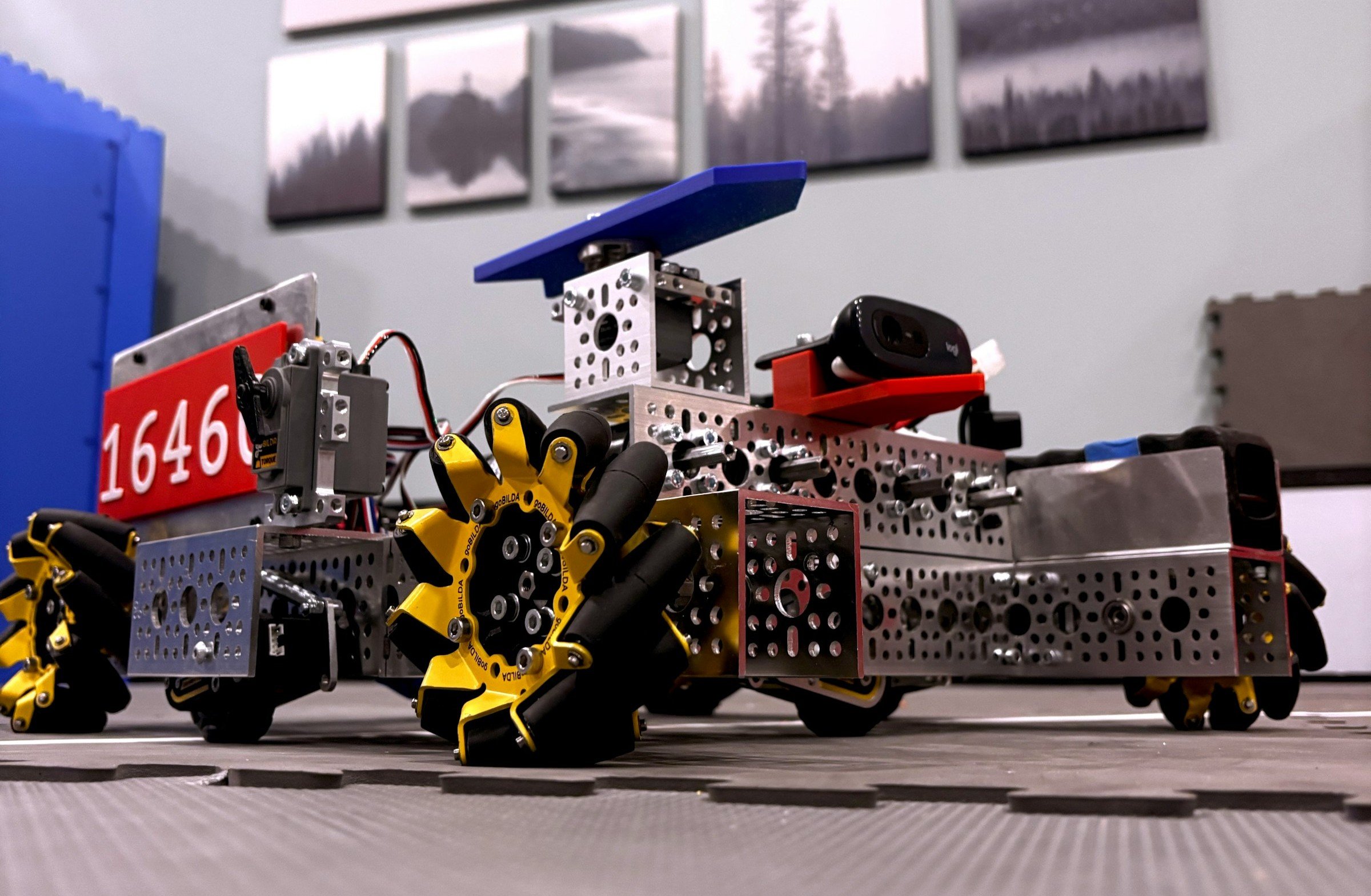
Technical creativity contrasts markedly from adaptive creativity
Our world demands adaptive resilience
Ronald Heifetz distinguished between technical problems, which existing expertise can solve, and adaptive challenges, which demand that people change their values, beliefs, and behaviors. An adaptive challenge is more difficult because we usually don’t fully understand the problem itself. It’s a classic, if all too common, leadership error to treat an adaptive issue as a technical one.
Many of the issues that most unsettle us today are adaptive, not technical: rapid advances in AI, political polarization, trade disputes, shifting employment, climate change. Our ancestors never left us a guidebook on how to handle such issues. We must learn our way through them, preferably alongside others who are feeling the same pressures. AAC&U's 2025 survey, The Agility Imperative, found strong alignment between the outcomes of a liberal education and the skills and dispositions that employers consider essential for solving contemporary, adaptive problems.

The support of a community remains a key virtue of faculty-led programming
Intentionally designed laboratories
As a high-impact practice, an effective study abroad program compresses myriad intercultural decisions into a dense, supportive educational environment. Andrea Paras and Lynne Mitchell argue that cognitive dissonance helps explain how intercultural competence develops, and that quality global learning unsettles students with difference in as critically constructive a manner as possible. Too much dissonance can have the opposite effect: paralysis, confusion, reification of biases and stereotypes, or even trauma. Hence the foundational role of thoughtful and intentional program design.
Luckily, program design is a variable over which educators have considerable control. To be sure, the literature continues to debate the effectiveness of short-term programs. Kelly L. Lemmons's article in Frontiers describes how researchers disagree about whether brief stays give students enough time to build intercultural competence, whereas Nolan and Hickman use Deardorff's model to trace students' development across two short-term programs. What remains intuitive is that good design can build an effective laboratory for students’ adaptive development, regardless of program length.
Furthermore, a living learning community is essential for developing resilience, whether provided in a short-term group program or communities that students join over a semester away. We learn neither through osmosis nor discomfort alone. Adaptive resilience is a social product of reflection, community, and mentorship, which is partly why international educators often appeal to relational philosophies like Ubuntu. A student who refuses to adjust their preconceptions or values inhibits learning for their roommate, cohort, or host family. One who models resilience can mentor others to practice it, as well. Faculty are not exempt, either. When they lead programs effectively, meaning in part that they also allow the experience to transform their worldviews, they learn alongside and from their students. Scholars of comparative and international education have likewise called for holistic, humanistic, person-centered approaches that push back against positivist and individualist assumptions.
Much of the extant literature centers American students, but the underlying mechanism of study abroad as an engine for adaptive resilience appears global. A Frontiers in Psychology study of 624 international students in China found that psychological resilience helped explain how cultural intelligence translates into cross-cultural adaptation. A 2025 study in the same journal found that for students in Sino-foreign cooperative programs, family support improved adaptability partly through resilience. Research in the International Journal of Intercultural Relations examined how Italian Erasmus students' resilience related to cultural intelligence and intercultural interactions. These studies differ in context and method, to be sure, but they suggest that the pressures of transition, and the resilience that helps people meet those forces, are widely shared human experiences.
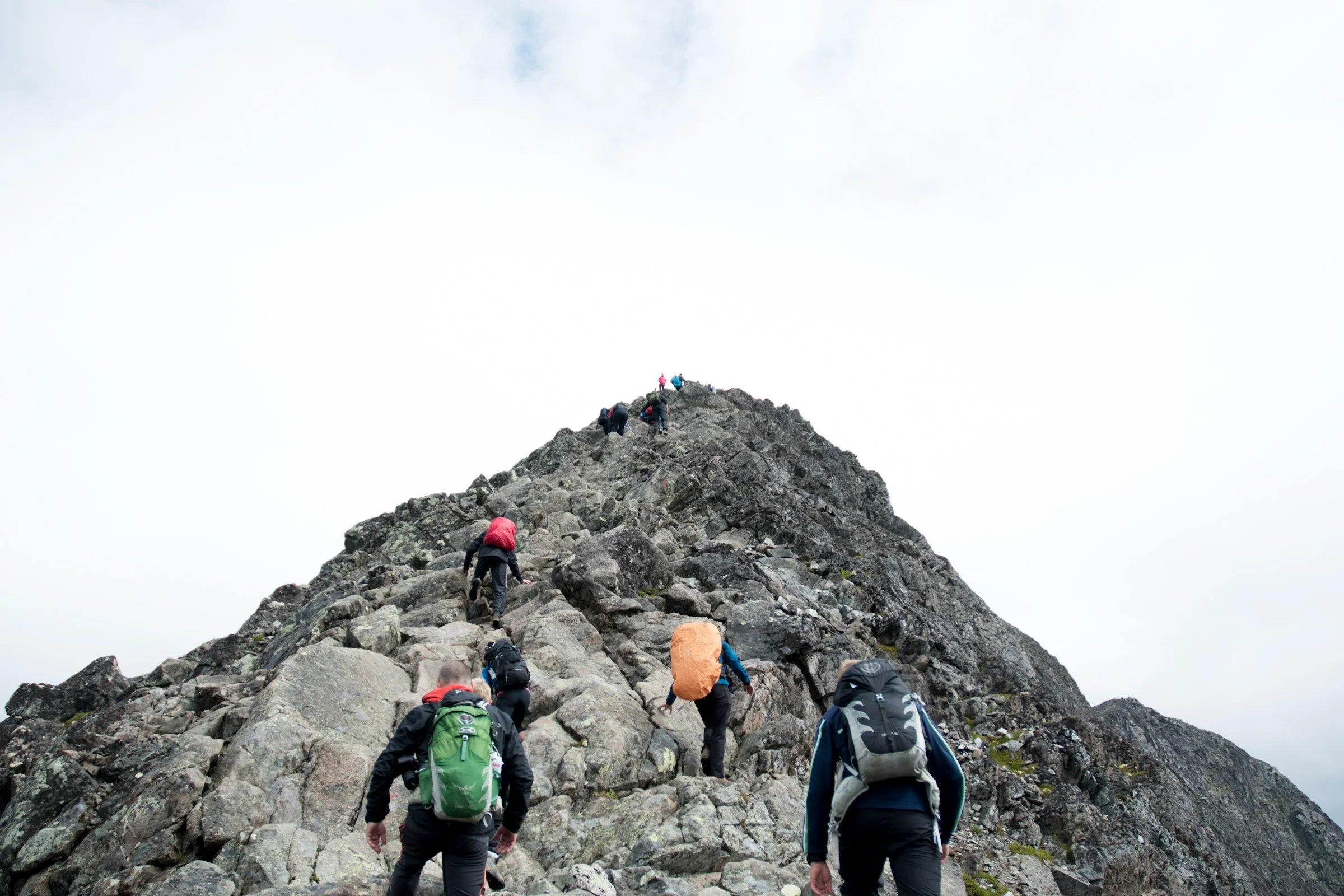
Everyone can—and should—practice adaptive leadership in their challenges
Leadership for individual and social change
If adaptation is relational, it’s also a form of leadership. Heifetz and his interpreters stress that adaptive leaders help people name what must be conserved and what must change. Study abroad research points in a similar direction. One Frontiers article examines global citizenship identification in a short-term, faculty-led program, and a study of graduate students on short programs in Cuba and Brazil reported that immersion in Global South realities changed their worldviews in individual, social, educational, and professional ways.
Access is key to such leadership. DA Global, among other advocacy groups, organizes its mission around equitable access to the benefits of global education. If adaptive resilience is a global public good, who we allow into that laboratory matters.
The case for resilience easily can devolve into a technical skills pitch, given the positivist discourse that dominates higher education today. We must resist that temptation, much as many observers of our technology-driven culture increasingly lament the decline of the humanities and their historical role in developing citizens, not just employees or consumers. One university dean argues that skills long dismissed as "soft," such as communication, intercultural competence, ethical judgment, and empathy, should be better understood as “power skills” that machines cannot easily replicate. AAC&U notes that nearly nine in ten employers stressed the importance of exposure to diverse perspectives.
When we treat people as objects to be managed, optimized, or processed, we have mistaken an adaptive challenge for a technical one. Study abroad, done well, helps ensure that when we cross the borders of our daily lives, we will develop the resilience to interact with people as they are, not how we want to use them.
