
UNESCO World Heritage Sites and Values
/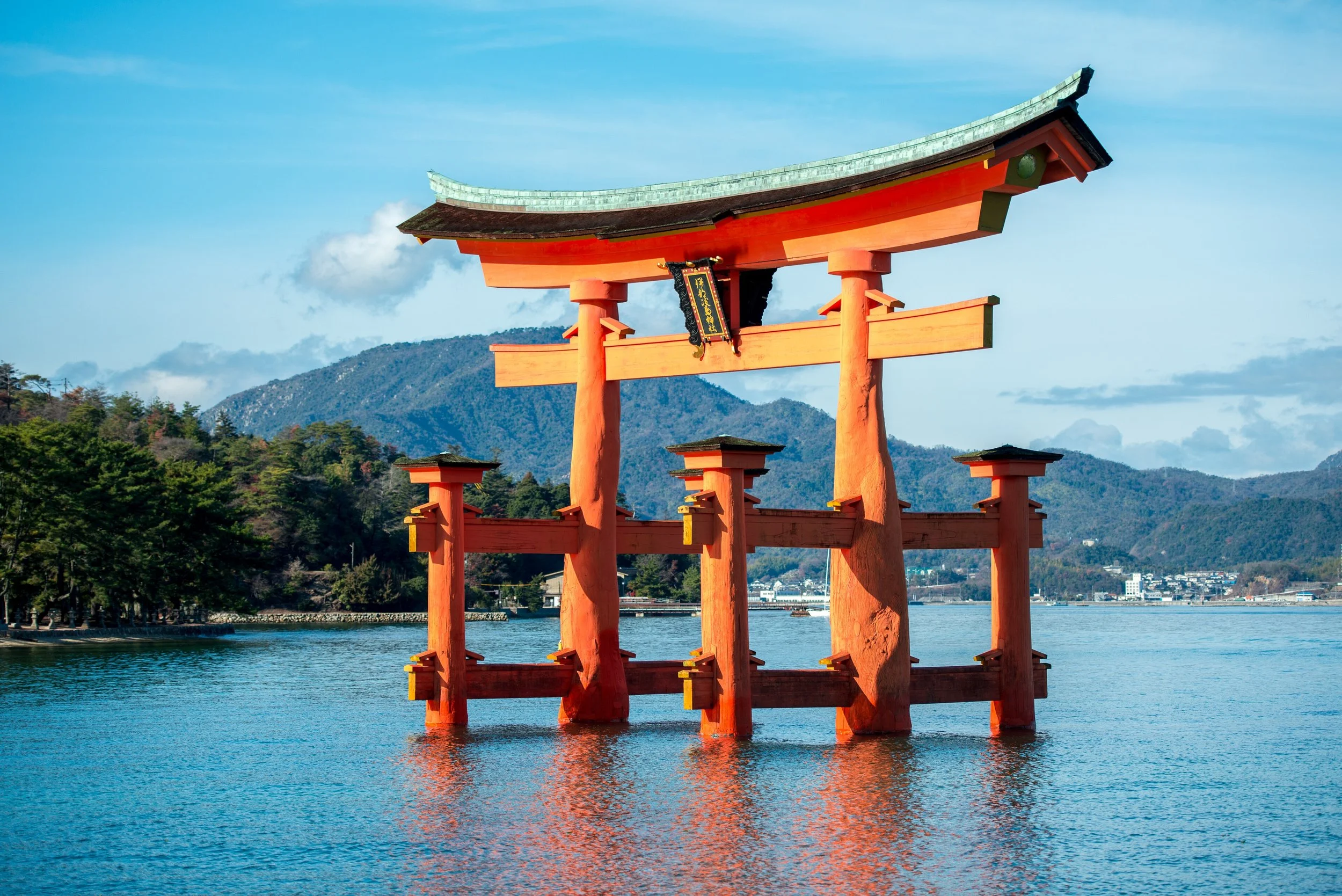
The famed Floating Torii Gate at Itsukushima Shrine, Hiroshima, Japan
Prospective education abroad students are often drawn most to a program hoping to experience a specific place: the Acropolis, Machu Picchu, the Great Wall. An iconic site lights the imagination, makes a striking brochure, and an enticing selling point to parents’ questions about why their students should study abroad. Oftentimes, however, faculty struggle to consider how best to integrate that postcard image into their actual curriculum, leaving a famous place as a photo op rather than a site of critical learning.
Faculty leaders, education abroad staff, and administrators can close that gap by embracing both World Heritage Sites and the ethos behind UNESCO’s World Heritage initiative. The Institute of International Education’s Open Doors 2025 report found that 298,180 U.S. students studied abroad for credit in 2023/24, a 6% increase, and 62% of them went on short-term programs of eight weeks or less. For most students, short-term programs are where they get their feet wet in global travel, so how we design and promote them matters.
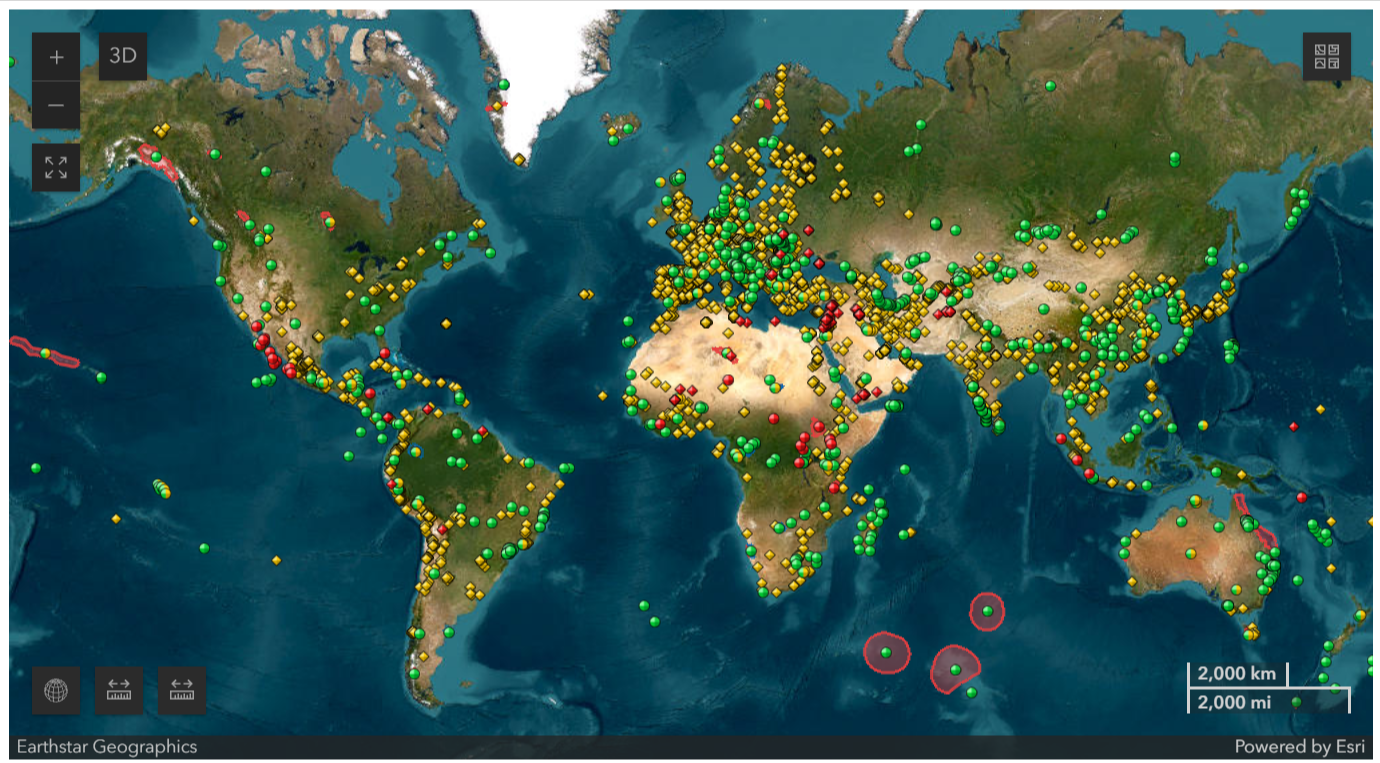
The Global Map of Current UNESCO WOrld Heritage Sites https://whc.unesco.org/en/list/
A mission born from a rescue
The World Heritage program began with a rescue mission. In the late 1950s, Egypt’s plan for the Aswan High Dam threatened to submerge the temples of Abu Simbel. UNESCO launched an international campaign in which around fifty countries set aside their differences to move twenty-two monument complexes out of the water’s path. The effort established the idea that one culture’s heritage matters to everyone, an idea that led to the 1972 World Heritage Convention.
Under the Convention, countries commit to protecting cultural and natural sites of Outstanding Universal Value: heritage whose importance transcends national borders and belongs to present and future generations. The treaty drew on the values UNESCO was founded on after World War II, including international solidarity, tolerance, and respect for cultural diversity. As of 2024, the List included well over a thousand properties in more than 160 countries.
That mission sits comfortably aside the goals of education abroad. Both endeavors ask people to seek out difference with curiosity and humility and to see themselves as part of a larger human community. AAC&U’s Global Learning VALUE Rubric echoes the same aspirations, describing global learning as engagement with interdependent global systems and legacies that deepens students’ sense of identity, community, ethics, and perspective-taking. The Forum on Education Abroad’s Standards of Good Practice, which include a short-term edition for faculty-led programs, give leaders a framework for building such aims into program design. A heritage focus adds something concrete to organize around, plus a question every site raises: whose history is preserved, who decides, and who tells the story?
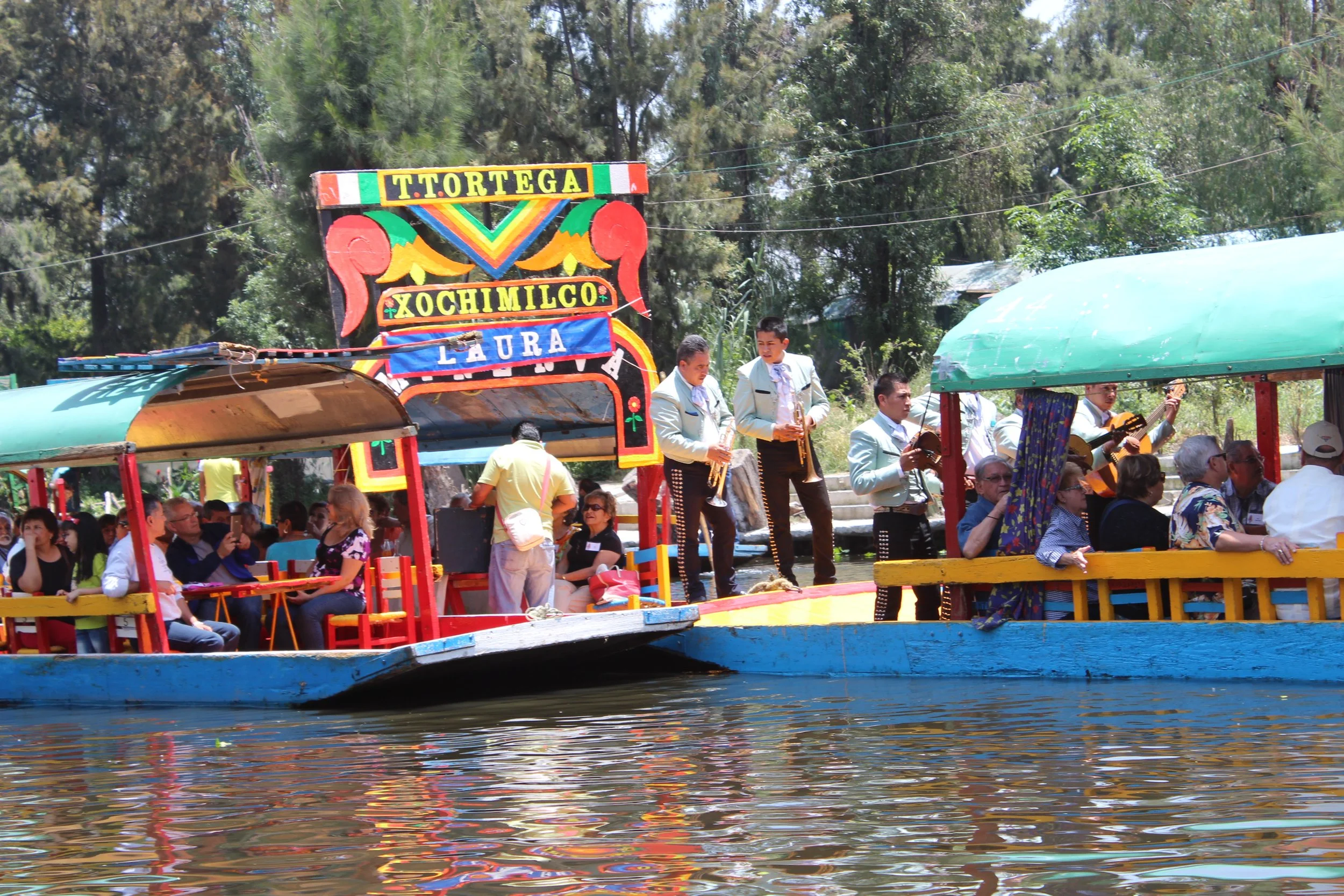
The Canals of Xochimilco blend historical and contemporary heritage in Mexico City, Mexico
Beyond the usual itineraries
Famous sites tend to cluster in popular, high-cost destinations, but the World Heritage List is far broader, and some of its richest teaching sites rarely appear in standard program offerings. Three examples show the range.
Luang Prabang, Laos, designated in 1995, is celebrated for the fusion of traditional Lao and European colonial urban forms. UNESCO also points to its conservation as a model of cooperation among Laos, France, and UNESCO that involved universities and schools. The World Heritage Committee has also asked for heritage impact assessments of a nearby hydropower project, a live case of development meeting preservation.
Joya de Cerén, El Salvador, a pre-Hispanic farming village buried by a volcanic eruption around AD 600 and often compared to Pompeii, offers a window into the daily lives of ordinary people rather than rulers. Students learn that heritage is not only about monuments or their elite patrons.
Great Zimbabwe bears witness to the Shona civilization of the eleventh to fifteenth centuries. UNESCO’s own description mentions an age-old legend tying the ruins to the Queen of Sheba, a useful prompt for asking how outsiders have told other peoples’ stories. UNESCO’s World Heritage Volunteers initiative, which ran a community project there in 2025, shows how visits can be reciprocal rather than extractive.
World Heritage in practice
Several U.S. universities already build heritage into short-term, faculty-led programs. The University of Kentucky’s Italy program on art, architecture, and heritage includes a course examining the concept of World Heritage and the conventions and policies attached to it. Queens University of Charlotte’s two-week Cyprus program extended an on-campus course, adding visits to UNESCO sites and an intercultural communication training.
Bowie State University’s program with Learn From Travel, “African Diaspora and Congo Culture in Portobelo, Panama,” pairs a three-credit course with hands-on workshops in drumming, dance, mask-making, and cooking led by local cultural organizations, plus a visit to an Indigenous Embera community. Portobelo’s Spanish colonial fortifications are part of a UNESCO World Heritage property inscribed in 1980 that, according to UNESCO’s records, has been on the List of World Heritage in Danger since 2012, with tourism pressure at Portobelo among the concerns. Students encounter a heritage site that itself needs care, alongside a living cultural tradition that connects the history of the African diaspora to a community today.
For faculty leaders, the practical steps are modest. Introduce the Convention and a site’s statement of Outstanding Universal Value before departure. Invite local heritage professionals and community members to teach alongside you. Design assignments that ask students to compare how a site is presented to visitors with how residents experience it. Education abroad staff can support these choices through pre-departure orientation and reentry reflection, and administrators can recognize heritage-based programs as signature offerings worthy of scholarship funding. These steps cost little, yet they change the question students bring home, from “What did I see?” to “What did I learn about caring for what we share?”
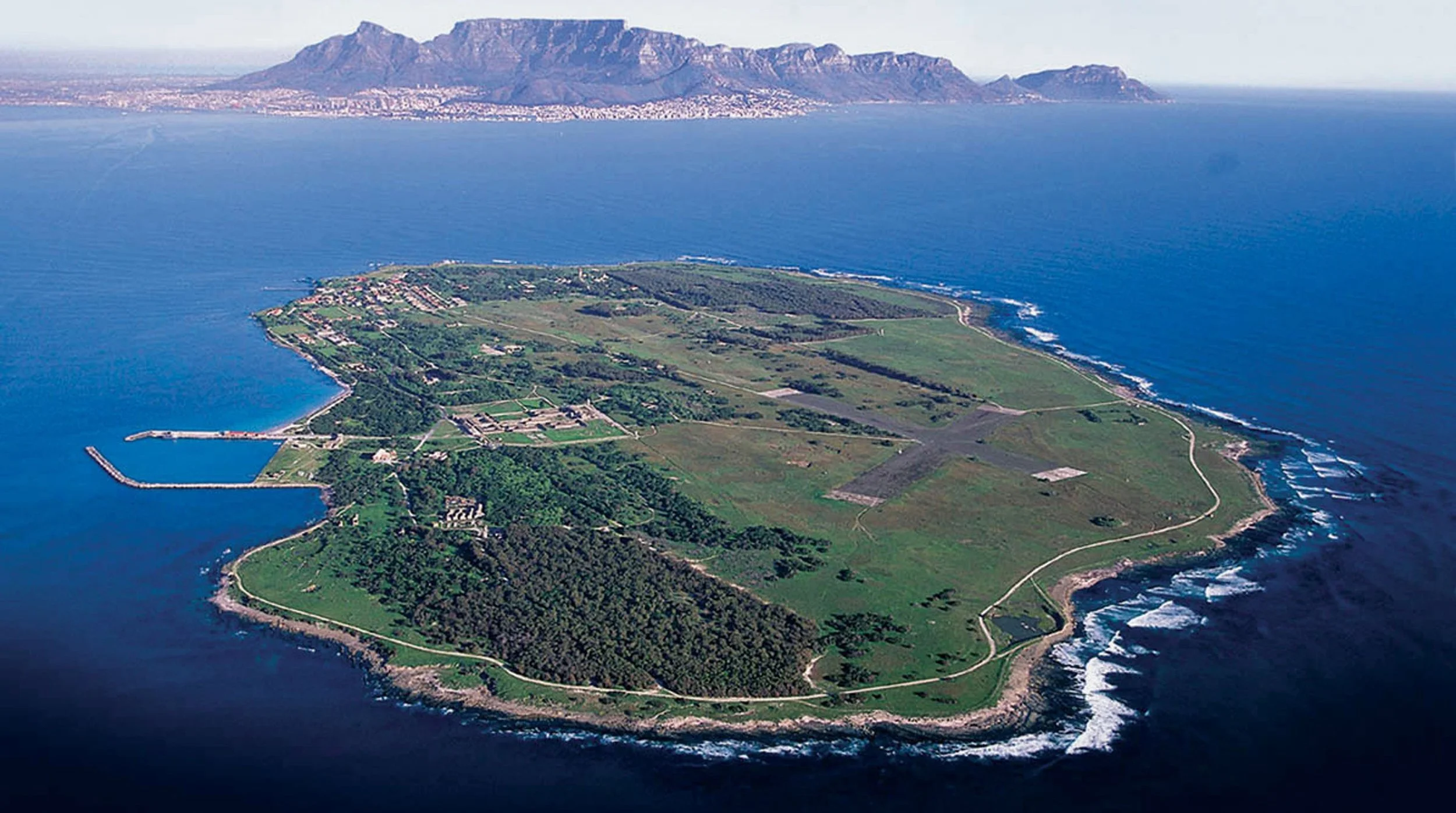
Robben Island, off the coast of CApe Town, South Africa, is a monument to the struggle against apartheid
Mission, recruitment, and responsibility
UNESCO’s World Heritage program advances a simple but demanding mission: some places belong to all of us, and we share responsibility for protecting them across borders and generations. Integrating that mission into short-term programs advances the aims of intercultural education directly, turning a visit into an exercise in stewardship, humility, and critical reflection on whose heritage is told.
It can also pay practical dividends. A recognized World Heritage anchor helps programs stand out to students and parents and opens doors to humanities-, art history-, and preservation-minded donors and alumni. Funders do respond to access: the Forum on Education Abroad’s Community College Access Scholarship, announced in March 2026 with a $50,000 commitment from AIFS, shows what targeted scholarship support can look like for short-term programs.
One caution: a compelling heritage case never replaces due diligence. Universities should still evaluate the safety and security of potential sites using State Department Travel Advisories and other risk-management sources, in line with institutional policies and professional standards.
Abu Simbel reminds us what is possible. A campaign to save a few temples became a global idea about shared inheritance. Every student group standing before a World Heritage Site has the chance to ask what we owe to the past and to one another.
